During the pandemic, I happened to read an unusual newspaper article. It told the story of a forty-eight-year-old man from the province of Como who had walked nearly 450 kilometres to the town of Fano over the course of a single week. Apparently, this “Italian Forrest Gump” was trying to walk off the anger that had followed an argument with his wife.
Rio de Janeiro’s beachfront is the perfect place to sober up after the intoxicating aftermath of a passionate lovers’ quarrel, although it stretches for only 5.6 kilometres. As I nibble on a delicate pão de coco, I curiously calculate the distance from Pão e Companhia, the bakery in Copacabana, to Confeitaria Kurt in Leblon.
The Italian writer Massimo Bontempelli once described Rio as follows:
“In one frenzied morning, God created the Bay of Rio de Janeiro. He flung into it armfuls of liquid and solid matter, of colours and transparency, blues and greens and violets, ripples and reflections, clustered atmospheres, the stillness of lakes, the temperament of volcanoes, delirious silhouettes, curves unknown to any geometry, a blaze of shapes, fragments of sky to make the sea, clouds of water, rainbows of thirty colours.”
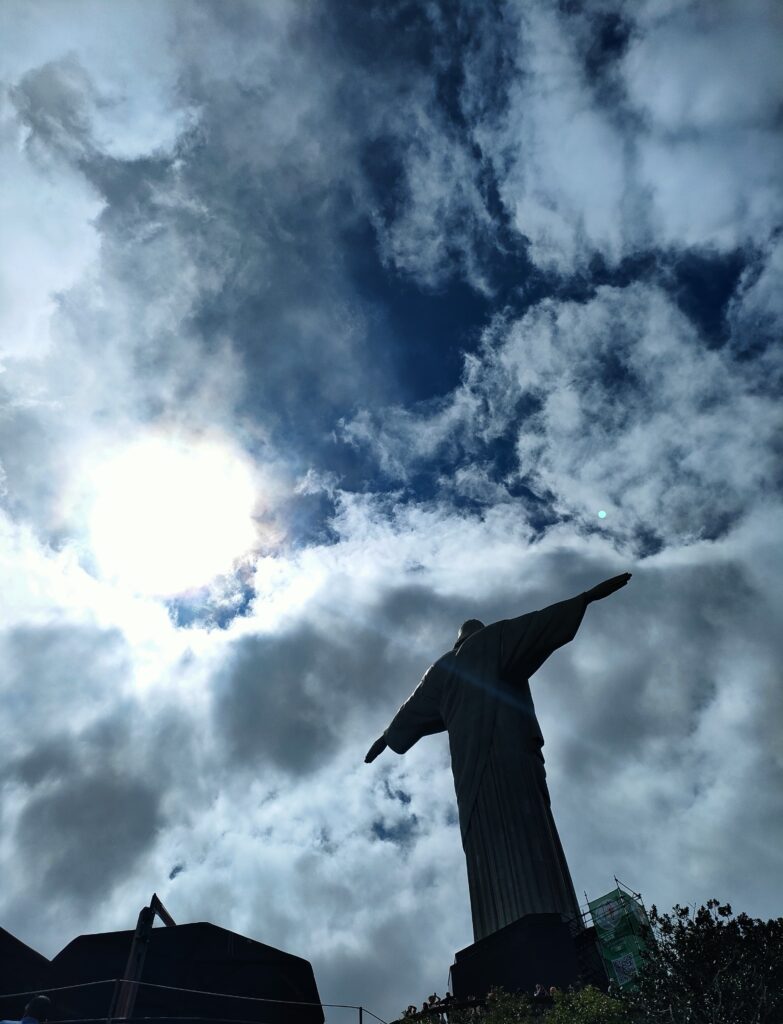
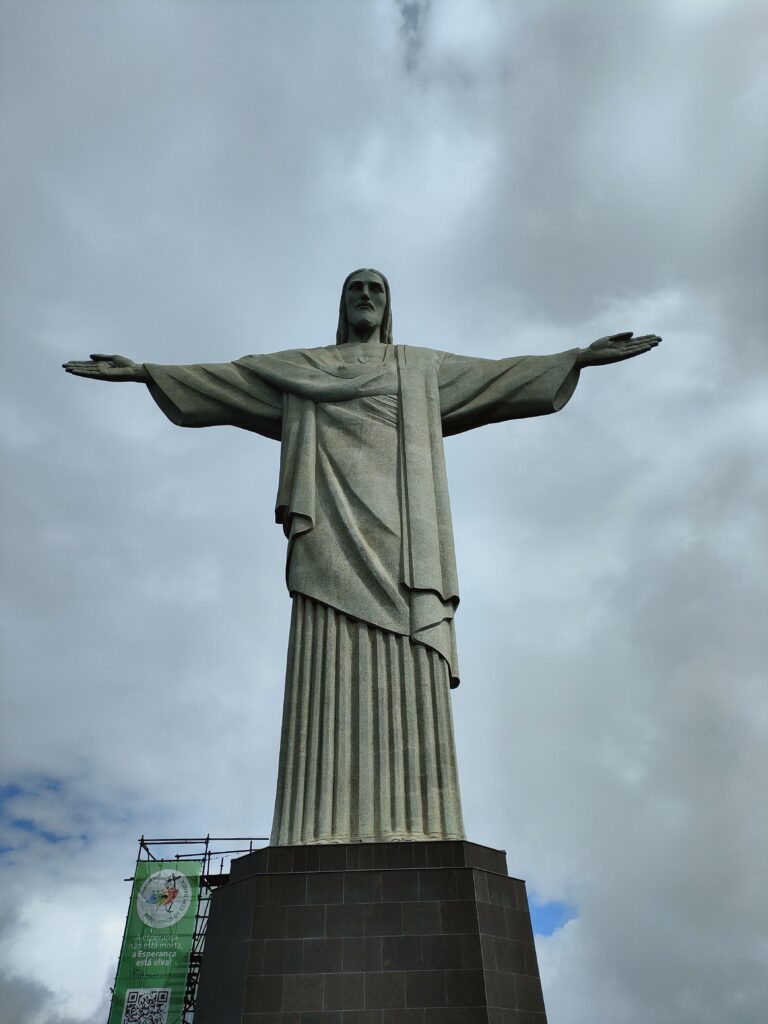
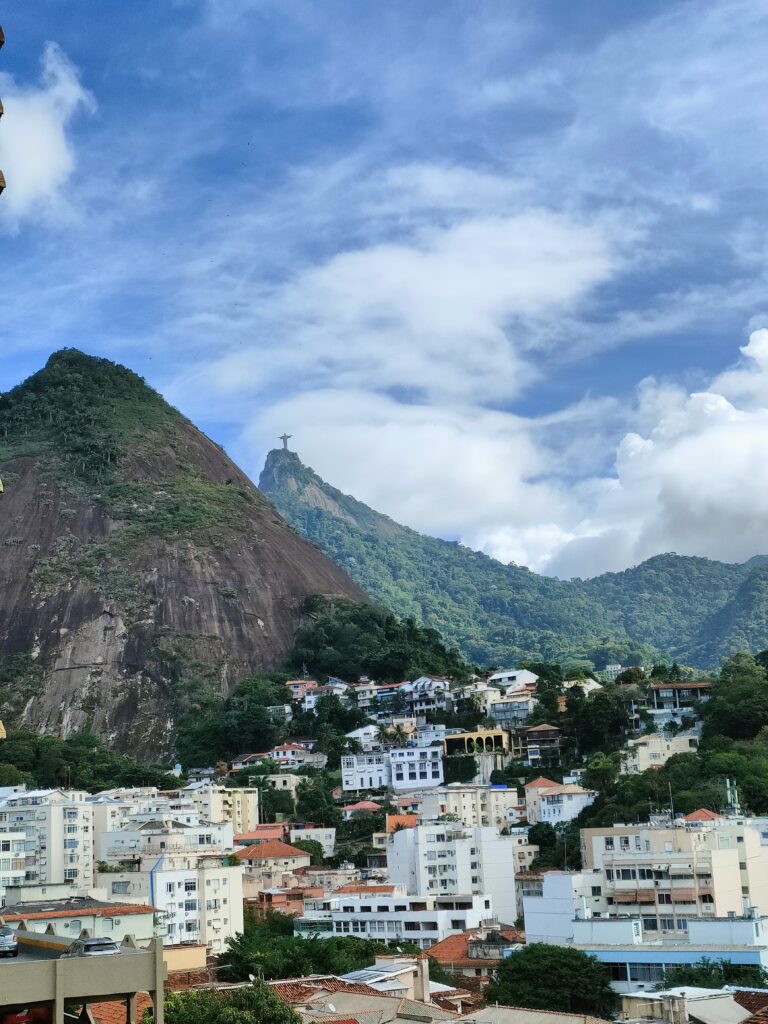
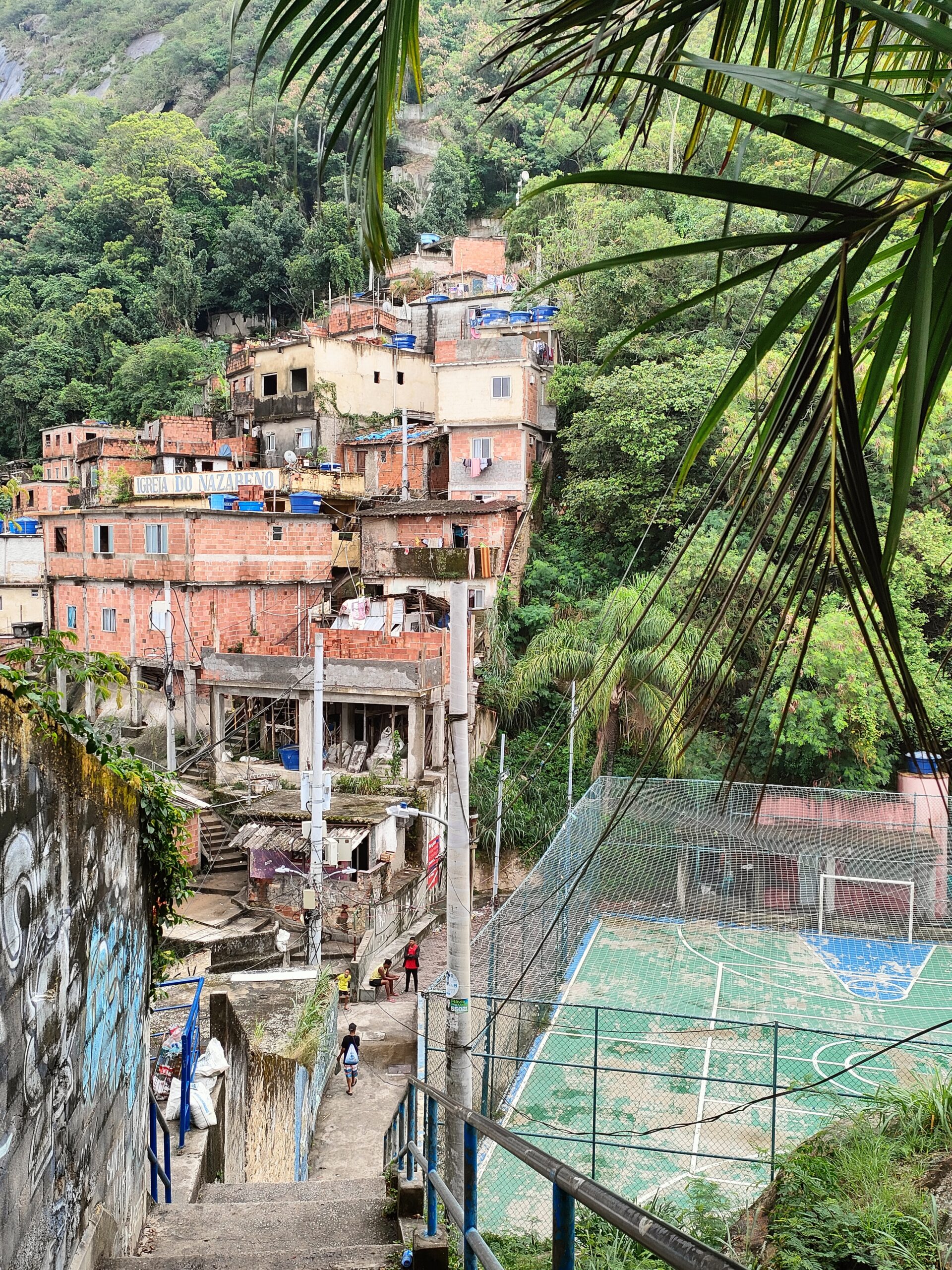
I had waited my whole life to see Rio. That very morning I had stood atop Corcovado, gazing at Christ the Redeemer on Easter Sunday, looking down over downtown Rio and Sugarloaf Mountain beside the elegant neighbourhood of Urca. As I wandered through the colourful, bohemian streets of Laranjeiras—still wrestling with the weight of a feijoada meal—I caught my first glimpses of Rio’s favelas, rising from the tropical jungle in the middle of a bustling metropolis. I was convinced I had witnessed one of the modern wonders of the world.
Yet, by five o’clock that same afternoon, I found myself romanticizing the fury of a Carioca couple.
Let’s suppose they live in Copacabana, near the Cardeal Arcoverde metro station.
Her name is Celeste—spirited, sparkling, almost naïve, so carefree that he mistakes her for unreliable, even insensitive. His name is Edson—upright, devoted, and possessive, his masculine pride wounded by the boundless enthusiasm she pours into the world beyond the two of them, as though their shared universe were somehow not enough.
This time he has crossed the line. Despite her repeated pleas not to interfere, he has involved himself in a personal matter concerning her work.
“I can do it. I can handle it myself,” she had insisted.
Feeling diminished and betrayed by the man she loves —by his inability to trust her— she walks out, slamming the door behind her. Edson had recently moved to Rio for Celeste, wishing to strengthen their relationship, but the conflict just erupted has unexpectedly thrown everything into turmoil. After watching Celeste storm out of the room, Edson stands there in stunned silence, trying to regain his composure. He has no intention of losing the wild-hearted girl in this vast city, and because he feels responsible for her sudden departure, he pulls himself together and hurries after her.
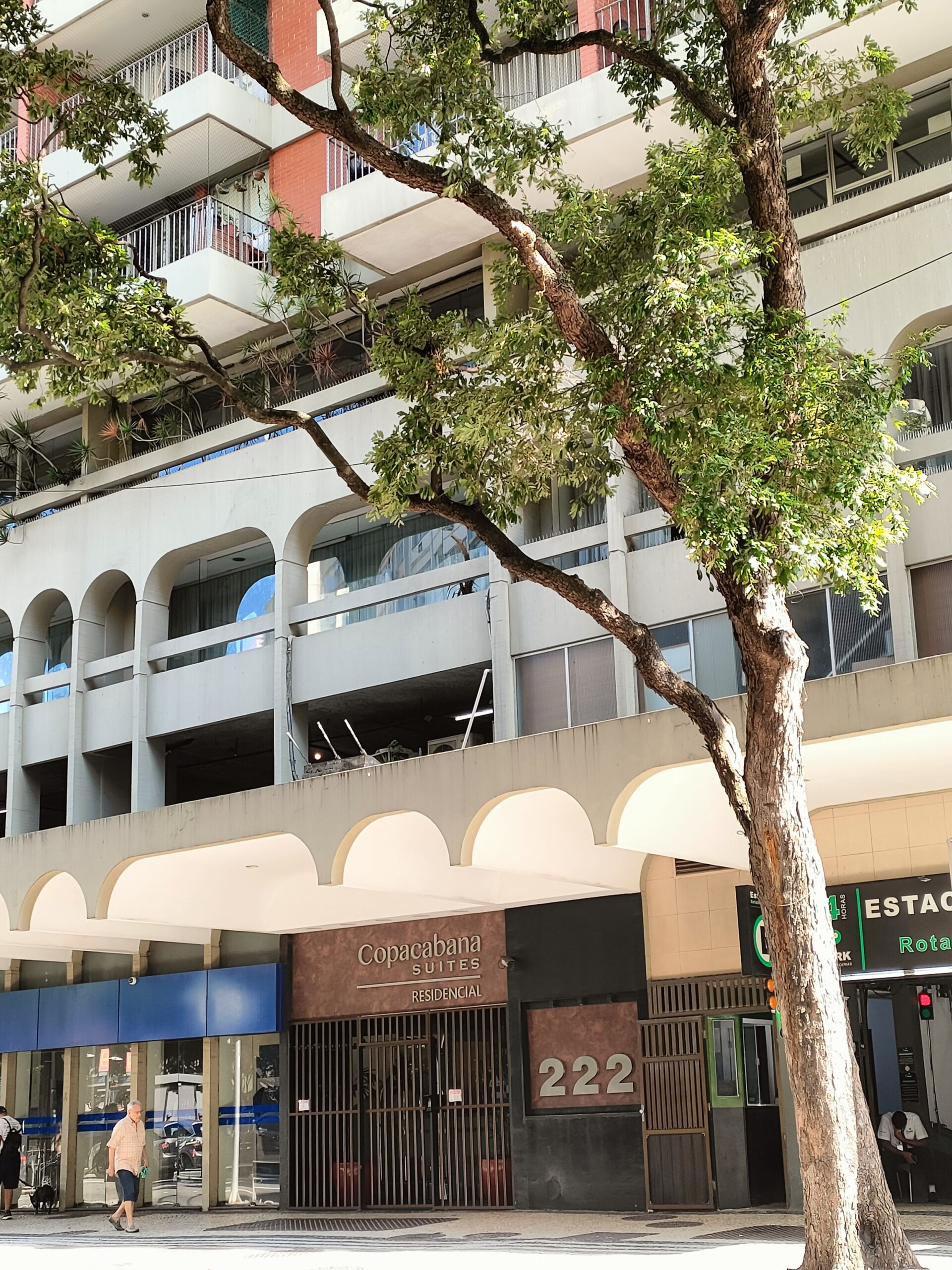
As he rushes out of their condo, he catches the knowing expression of the doorman at the entrance, who silently pointed to the left. No words are necessary; only another man can understand what has just occured. The look on his face seems to wish Edson good luck. Along Barata Ribeiro Street, Edson passes several drunken homeless men reeking of urine. It is a smell that seems to embody everything he is feeling at that moment. He is so overwhelmed by his emotions that he can no longer separate himself from the stench. Rather than chasing after Celeste, he wants to find a quiet corner and lie down on the ground; even the worn corners of the buildings look the most comfortable nest. The farther he walks, the heavier the smell becomes, making every breath more difficult. He feels choked by his flaring up gastritis and the frantic pulse of the street.
“I never want to see that control freak again,” Celeste thinks in the meantime, struggling to breathe.
Instinctively, she searches for the sea. She heads towards the Atlantic with determined, measured steps, switching off her phone.
Edson, frantic, calls her again and again. Where has she disappeared to? The thought that he may have lost her because of yet another pointless attack of jealousy consumes him. He rushes into the city, hoping against hope that he might find her before it is too late.
And this is where their magnificent itinerary of anger begins.
The smoke of the beautiful Carioca girl’s rage begins to dissolve as the Copacabana Palace comes into view.
Known simply as “the Copa,” the legendary hotel was built in 1923 to celebrate the centenary of Brazil’s independence. Considered South America’s first grand hotel, it has welcomed generations of international icons visiting Rio—from Walt Disney and Orson Welles to Ella Fitzgerald, Marlene Dietrich and Brigitte Bardot.
Belmond’s website describes it perfectly:
“A timeless hideaway in the heart of a buzzing city. A cosmopolitan way of life meets old-world glamour. The best of Rio can be found on your doorstep. Stroll the mosaicked Portuguese pavement; samba in the city until sunrise; or simply stretch out and relax on the golden sands of the beach.”
Amused and intrigued, Celeste wanders through the elegant corridors of the Copa until she reaches the swimming pool, where she slowly sips her first caipirinha of the late afternoon.
Then she steps back onto Avenida Atlântica and, at last, sinks her bare feet into the long ribbon of warm sand.
She finds herself between Posto 2 and Posto 3—Rio’s numbered beach stations, the equivalent of what Italians would call bagni or stabilimenti. Not far away stands Amir, a culinary institution for Brazil’s Syrian-Lebanese community, which numbers nearly eight million people across the country. She decides to forgo what many consider the best falafel in Rio, postponing a bite to eat until later at one of the city’s botecos, her favourite being Belmonte.
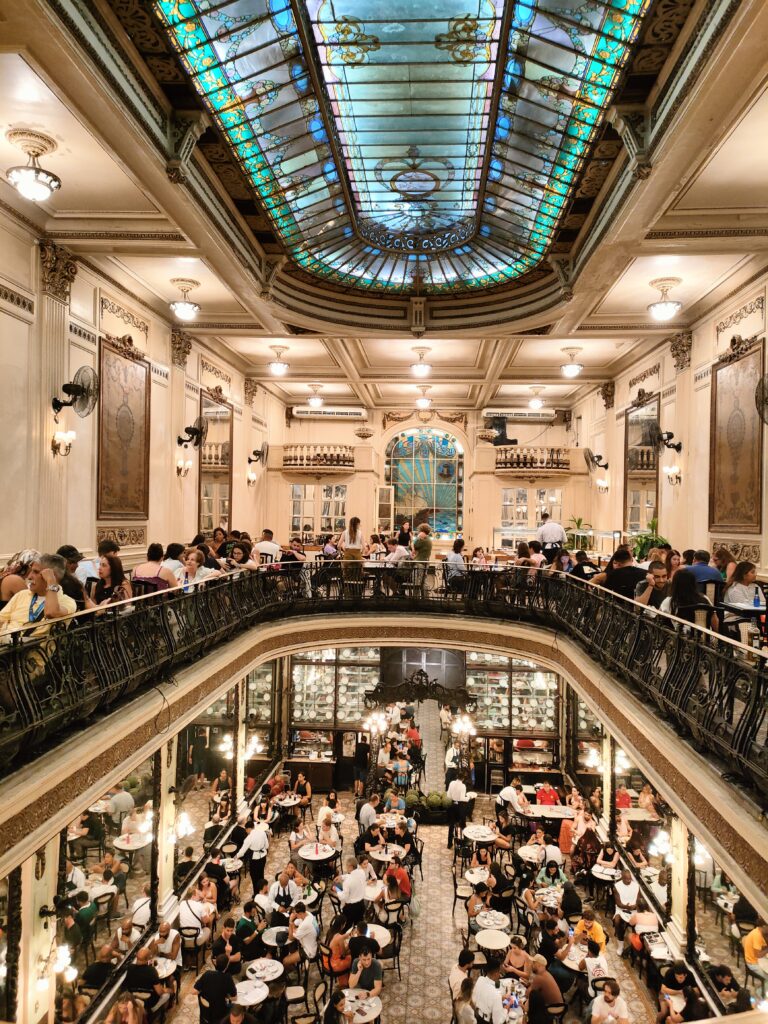
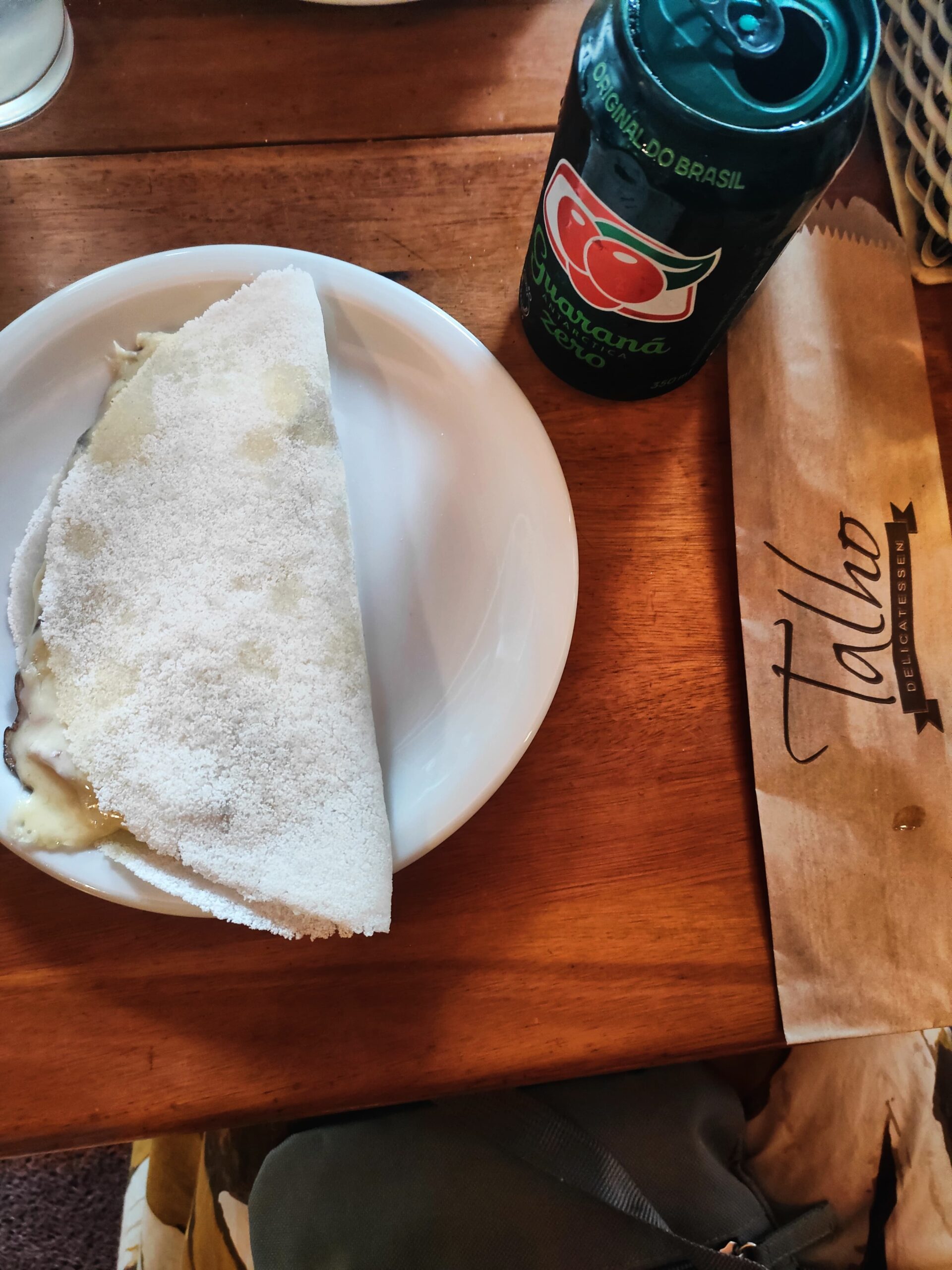
Botecos are Brazil’s quintessential neighbourhood bars: informal, unpretentious and affordable. They serve irresistible snacks, and Celeste’s favourite is the coxinha de frango at the historic Confeitaria Colombo, in downtown Rio. They are best enjoyed with soft drinks or ice-cold beers, whether it’s a bottle of Guaraná Antarctica or the iconic Brahma lager, brewed since 1888.
Celeste feels an overwhelming need to reach the Ocean, to dissolve into Rio’s endless shoreline, determined not to look back even once. She fears she might regret leaving, or worse, catch sight of Edson somewhere among the crowds of Cariocas.
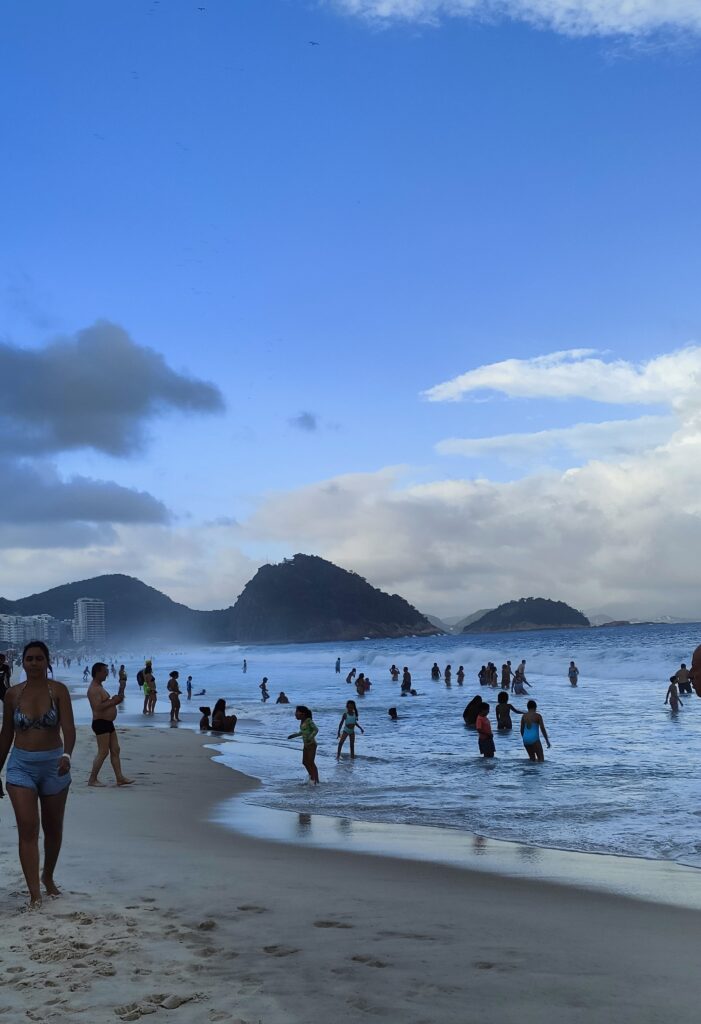
Her anger is so consuming that she barely notices everything she has always loved about Rio: families gathering on the beach after work, spontaneous games of beach football, volleyball and padel, or the daring Brazilian-cut bikinis worn with effortless confidence by the young women around her. She only wants to delve into the freezing waters of those waves, feeling their power until being overwhelmed, deeply breathing in the salty sea air, imagining surfing and soaring across the Atlantic’s endless horizon—turbid, restless, untamed.
Then it begins to rain.
She runs for shelter at Selina, the surfers’ hostel she has always loved. Its rooftop offers one of the finest panoramic views over Copacabana. It is here that she and Edson watched Rio sink into twilight together for the very first time.
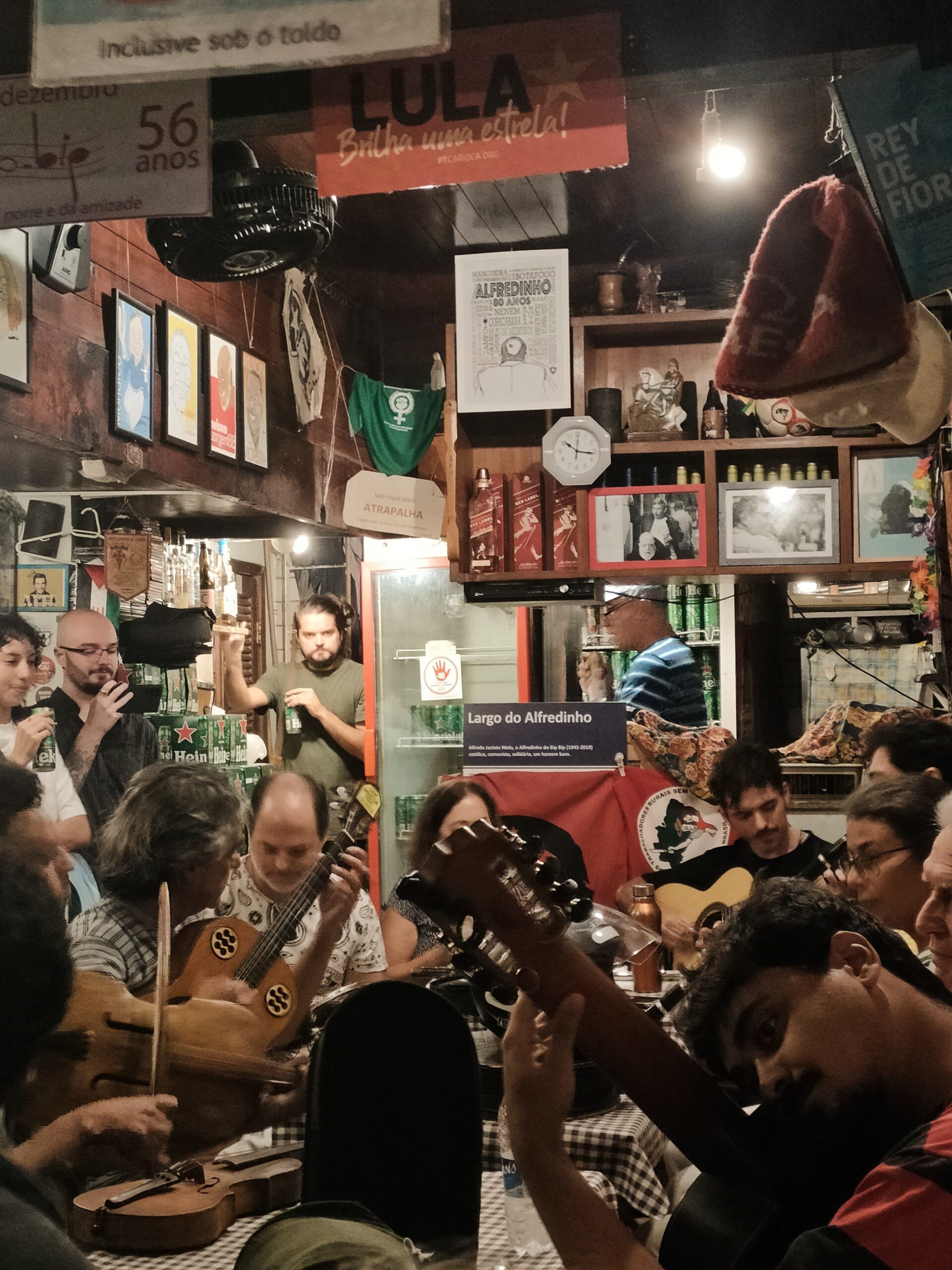
She leaves again, drawn by the joyful commotion spilling out of Bip Bip around the corner—a tiny basement bar where lovers of samba and bossa nova gather simply to play, sing, dance and be together. Opened in 1968 as a meeting place for political activists seeking refuge from Brazil’s military dictatorship, Bip Bip has remained one of Rio’s most beloved landmarks of its musical nightlife ever since.
Someone is singing Samba da Benção by Vinicius de Moraes.
So she heads towards Posto 9, the legendary stretch of Ipanema immortalised by the Garota de Ipanema, where the unwritten rule for locals has always been “to see and be seen.”
It was here that Antônio Carlos Jobim and Vinicius de Moraes composed the song that would become one of Brazil’s greatest musical icons:
Oh, but he watches her so sadly
How can he tell her he loves her?
Yes, he would give his heart gladly
But each day when she walks to the sea
She looks straight ahead not at him
Tall and tan and young and lovely
The girl from Ipanema goes walking
And when she passes he smiles
But she doesn’t see
She just doesn’t see
No, she doesn’t see
She just doesn’t see..
(C.T Jobim, V. Moraes “The Girl from Ipanema)

Ipanema: 2.6 kilometres of fashion, art, hippie spirit, and the rhythmic slap of Havaianas against the pavement. They say Cariocas even go to the office wearing flip-flops, ready to head straight for the beach and their favourite boteco as soon as the workday ends.
Celeste wants to walk as far as Bar Lagoa. From that stretch of Ipanema, it is only a short distance to her favourite place in the city—the Rio Botanical Garden. But she knows she will never wish to leave the sea behind.
Instead, she follows the shoreline beneath the rain all the way to Leblon, where every Sunday morning she and Edson have breakfast at Kurt, sharing tapioca pancakes before lazing in the waves of Praia do Leblon and later making their way to their favourite restaurant, Oro.
Leblon has always been their neighbourhood of choice. Its architecture blends tropical modernism with contemporary design, softened by vertical gardens and gently curving façades that seem to echo the movement of the ocean.
“I wish that one day we’d wake up in Alto Leblon, up in the hills, so we could watch Guanabara Bay every morning and come home late at night after one of our drunken arguments at Jobi. I’d love wandering through Leblon’s boutiques with you, just to watch you ignore every shop window, every fashion trend, exactly as you always do. All you’ve ever cared about is getting to the beach—with your damned cafezinho in your hand.”
Edson had once suggested they move to Leblon when she finally felt ready to “get serious.”
But what the hell did getting serious even mean?
What more did that man need before he could trust her?
“To hell with that house in Leblon!” Celeste thinks, stepping back onto the wet sand and turning around towards Arpoador.
It is almost seven in the evening.
They were supposed to have dinner at a churrascaria in Copacabana, feast on an endless rodízio of grilled meat, and watch the Fla-Flu derby together after one last swim.
At the same time, Edson continues to aimlessly walk, struggling to make sense of where he is while even trying to remember why he has moved to this damned city in the first place. When he turns down the first side street he comes across, he thinks he can hear the ocean. The scent of salt blurs his vision into a hazy cloud. Celeste has always been drawn to the sea by a sort of magnetic pull, so she may have gone this way.
When Edson reaches Avenida Atlântica, the vastness of the ocean steadies his heartbeat. The moment his feet touch the sand, he feels closer to Celeste. As the sun nears the horizon, the memories he has been struggling to grasp suddenly returned. The waves washing over his feet becomes a kind of communication network with his lover, reminding him that they once shared this breathtaking view in their hearts. Now, Edson feels that Celeste is very closeby. He picks a direction along the beach and begins walking, guided only by his instincts.
Still, Celeste refuses to look back.
She keeps walking until she reaches the rocky point where Cariocas gather every evening to watch the sun sink into the Atlantic.
Suddenly, she feels utterly exhausted.
Empty.
The long walk from Copacabana to Leblon has become almost cathartic.
She is convinced she will never feel anything again—not joy, not sorrow.
Rio’s energy, the damp ocean breeze, the crashing waves, the effortless ease of its people, their incurable need to dance, to sing, to linger without purpose—all of it has overwhelmed her anger.
It is as though, in losing the reasons for her rage, she has also lost herself.
She can barely remember Edson.
Or the two of them.
Or the fierce love that had consumed them both.
There is only Rio.
A city where nothing matters anymore; where everyone is no one; where the ocean washes over guilty consciences and hidden fractures alike, embracing every weakness, suspending its tragedy, and leaving souls lighter than before.
Saudade in Rio is a creative illness—the presence of absence itself. It is the pride of a vanished past sustained by the promise of renewal; the aching memory of something that no longer exists; the longing for a moment that can never return, for a past too young to be called history, yet already painful enough to miss.
And when she passes, he smiles…
But she doesn’t see.
She just doesn’t see.
Celeste forgets why she had refused to turn around all this time.
At last, she does.
He is standing right in front of her.
Stefan Zweig, who found his home in Rio, once wrote:
“The intensity of love is always wrongly measured if it is judged by the immediate cause that occasions it, rather than by the tension that precedes it, by that dark emptiness of disillusionment and loneliness that stands before every great event of the heart.”
They are both standing on Arpoador.
Edson’s face glows with the same deep orange hue that paints the rocks there at sunset.
Perhaps he had known she would eventually come this way.
Perhaps he had spotted her on the beach and chosen to follow from a distance, giving her the freedom she needed.
The only thing he knows now is that he never wants to feel that crushing emptiness again—that immense burden that had seemed to be erasing all meaning from the world.
He had truly believed she would never turn back towards him.
Celeste barely recognises the man before her.
He almost feels like a stranger.
They move towards each other slowly, dazed, uncertain, standing face to face without knowing what to say.
“I’m sorry,” she whispers. “I don’t know what to say. I don’t feel anything. I don’t even know how to explain it.”
Edson smiles tenderly.
He had been waiting for one the wonderfully incoherent sentences her weird character could produce.
He opens his arms and embraces her.
He doesn’t care whether she resists.
As that hug ends, It will be a new beginning.
A new life.
A new love.
And behind them, always
Rio.