I thought I would get to Mar Girgis station by metro. I wanted to get a feel for how the urban subway system was laid out and see the famous women-only carriages. I wasn’t particularly keen on the idea of taking an Uber, with its potentially reckless drivers, and getting stuck in Cairo’s traffic. I had been told it was one of the most congested cities in the world. At the hotel reception, they said a taxi was the safest option, since all license plates were registered with the Army. At the hotel pickup point, an officer with drug-sniffing dogs always checks both the vehicle and the driver to prevent any trouble or harm to the (sacred) tourists. So we decided to take a cab.
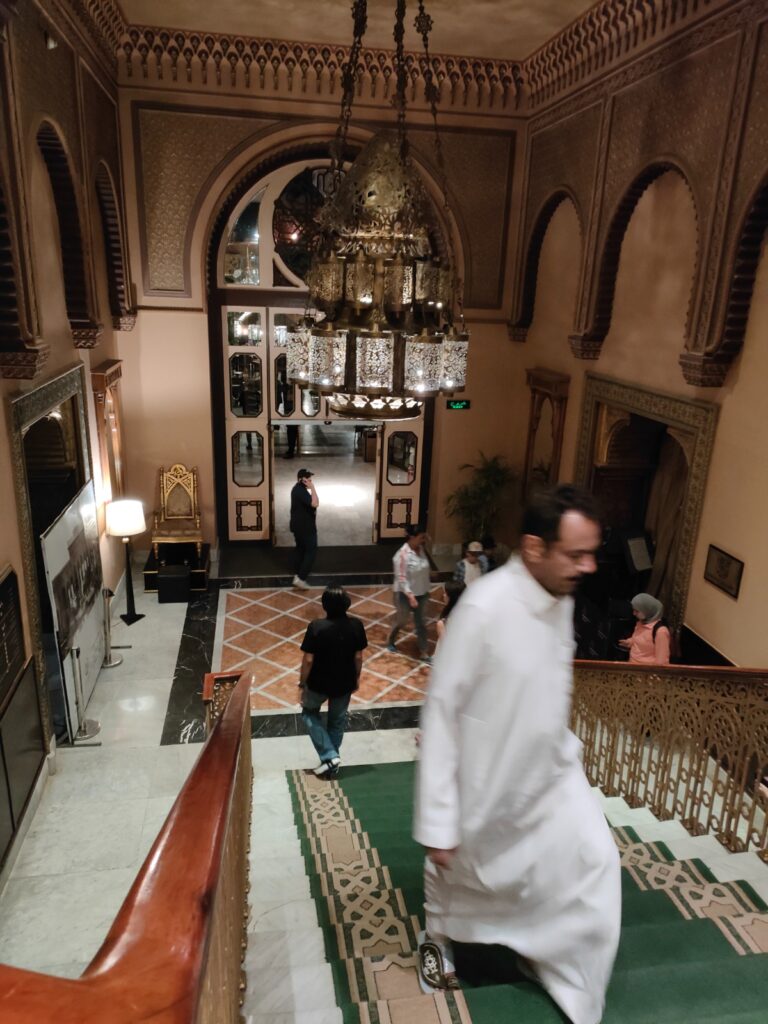
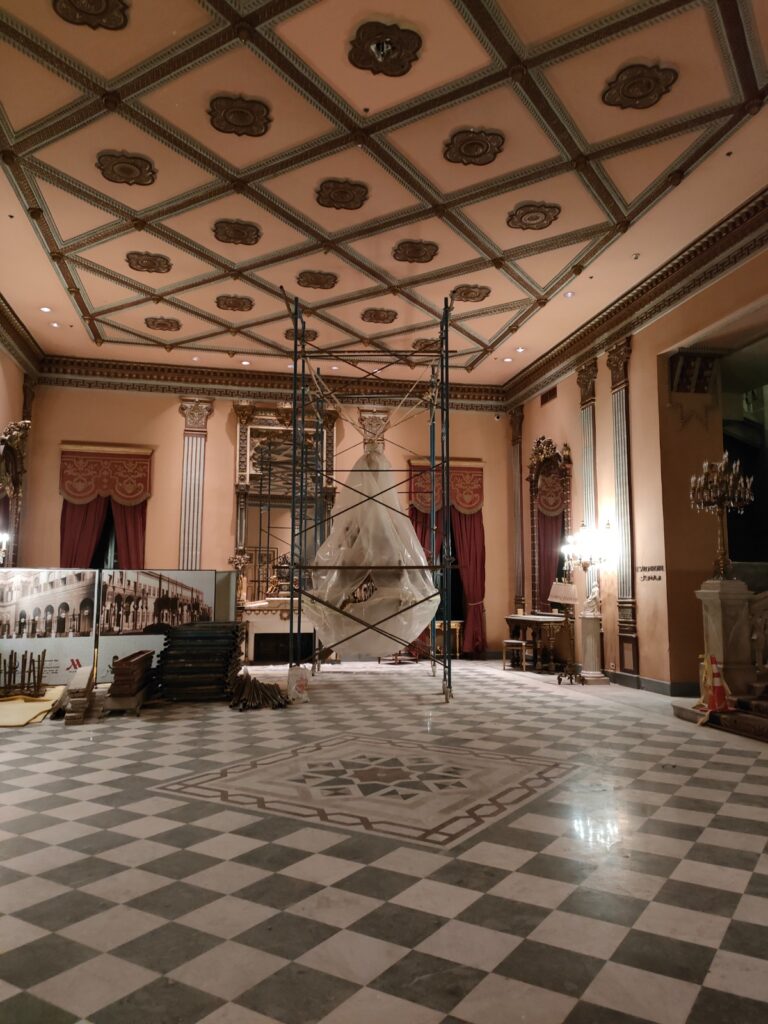
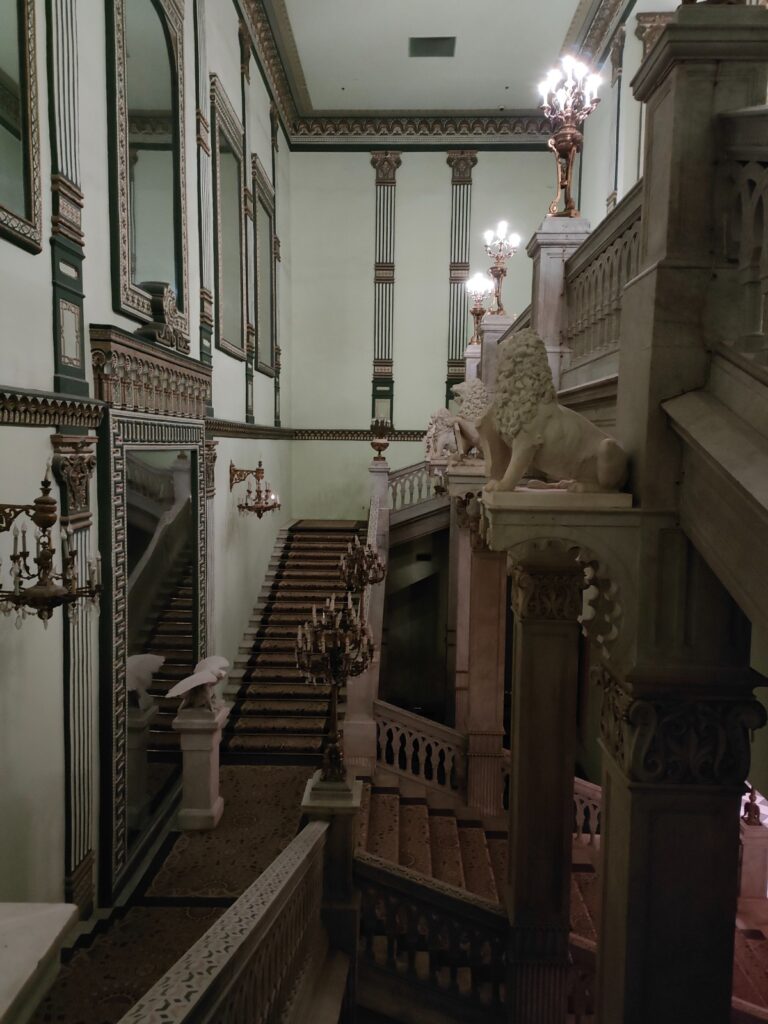
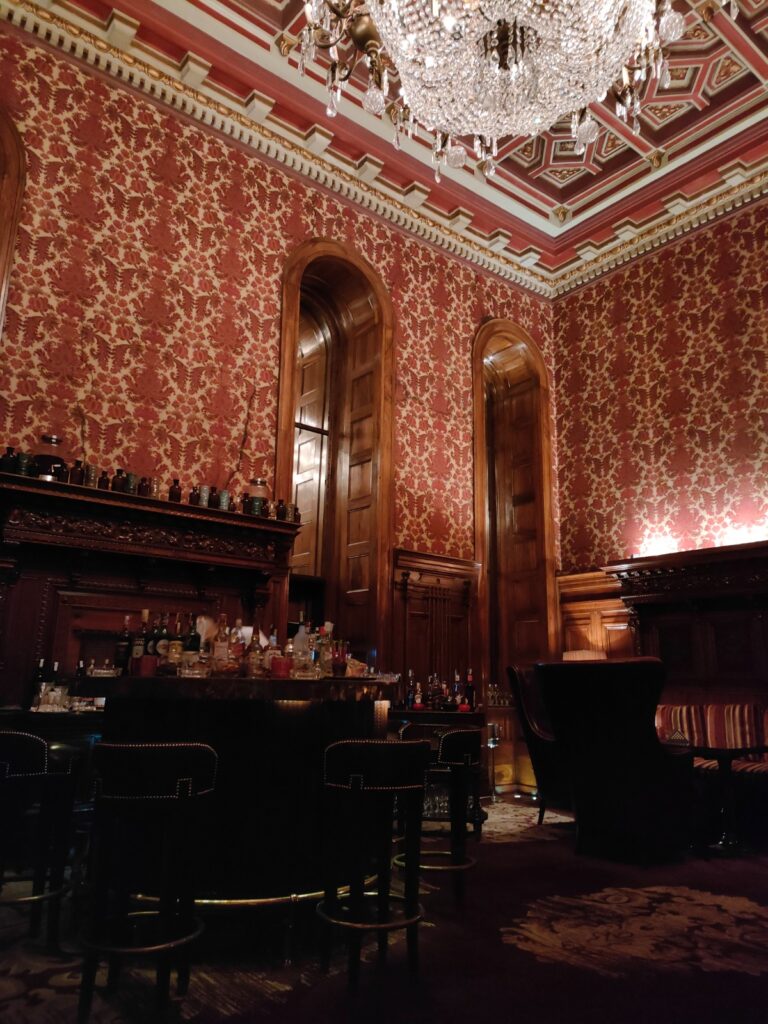
Since last night, it had been just the three of us: my mother, my sister and myself. The night before, we had said goodbye to our group, raising a toast to our holiday in a luxurious lounge at Cairo’s historic Marriott Hotel in Zamalek. We had gathered at the American Bar, right next to the imperial suites, which were undergoing restoration. Located on Gezira Island, home to the city’s exclusive Gezira Club, the hotel was built in 1869 on commission from Khedive Ismail Pasha to accommodate Emperor Napoleon III and his wife Eugénie for the inauguration of the Suez Canal. Since the French were then the majority shareholders in this magnificent infrastructure project, the architects of the time designed the palace to evoke Versailles. In later years, during the First World War, it would also become a hospital for the wounded from the Battle of Gallipoli.
I retraced all these historical chapters in my mind while a waiter indulged my curiosity, allowing me to explore some sections closed to the public: the Throne Room, the reception hall and the grand imperial staircase, all shrouded in the dust of restoration work. They were beautiful just as they were, battered and under construction, even more so than the fresh, arcaded gardens in Arabesque style, where most guests settled down for a drink. After the imperial and social splendour of the previous evening, here we are this morning, on our own, south of central Cairo, in one of the oldest parts of the city: ancient Babylon.
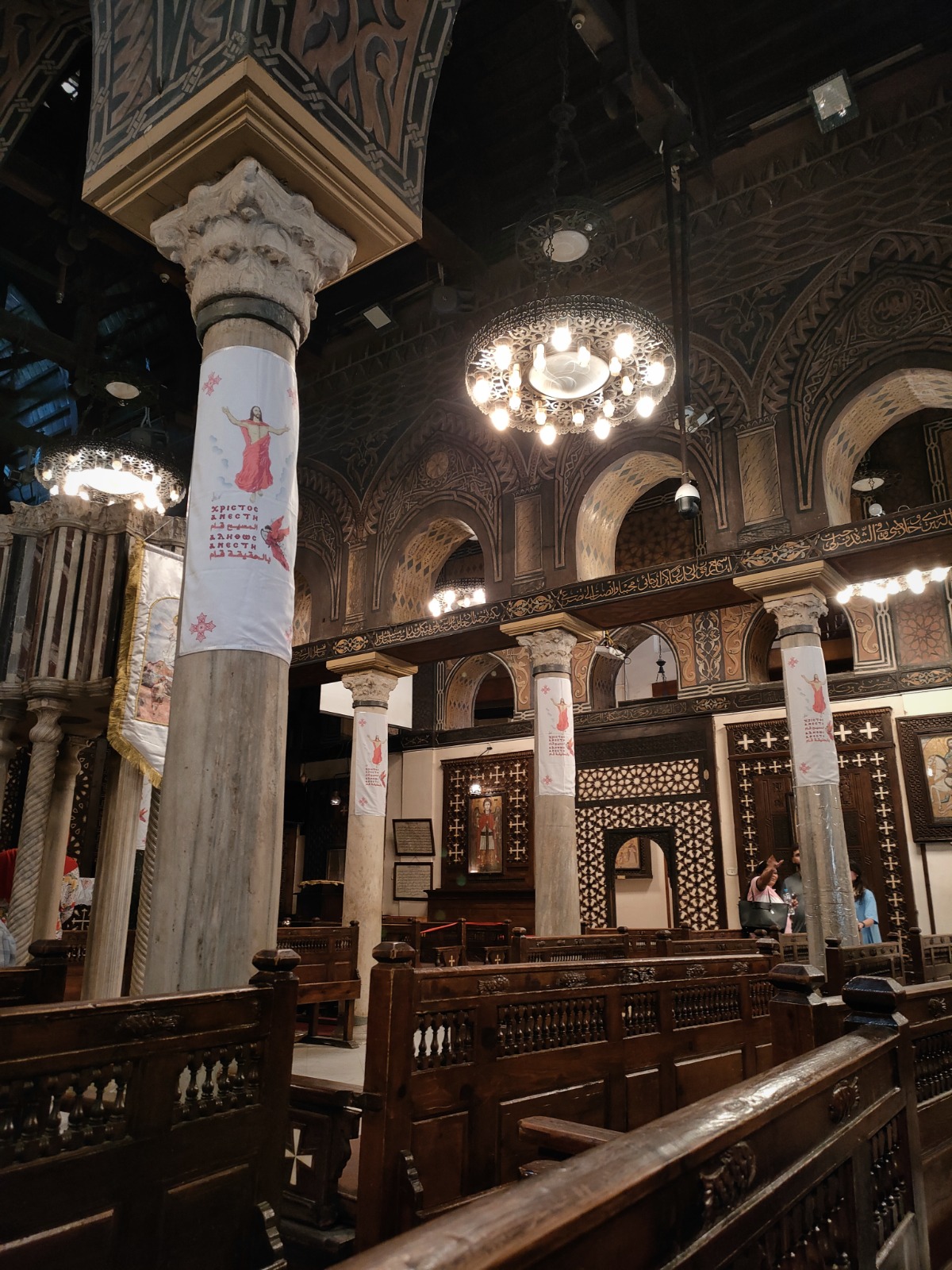
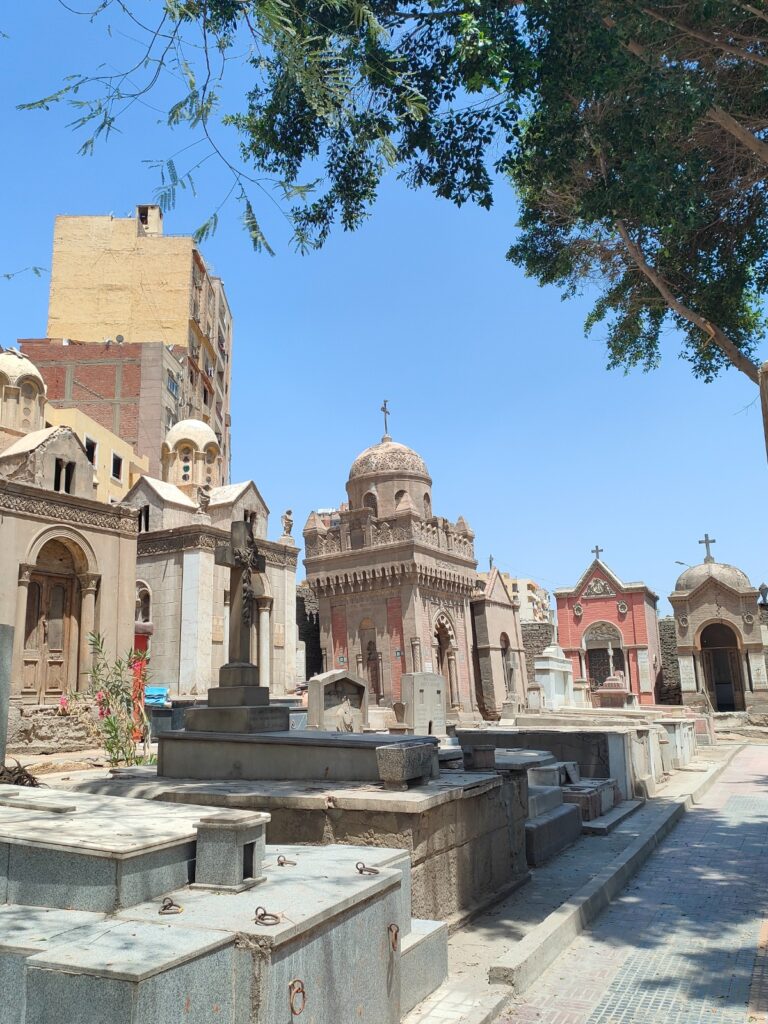
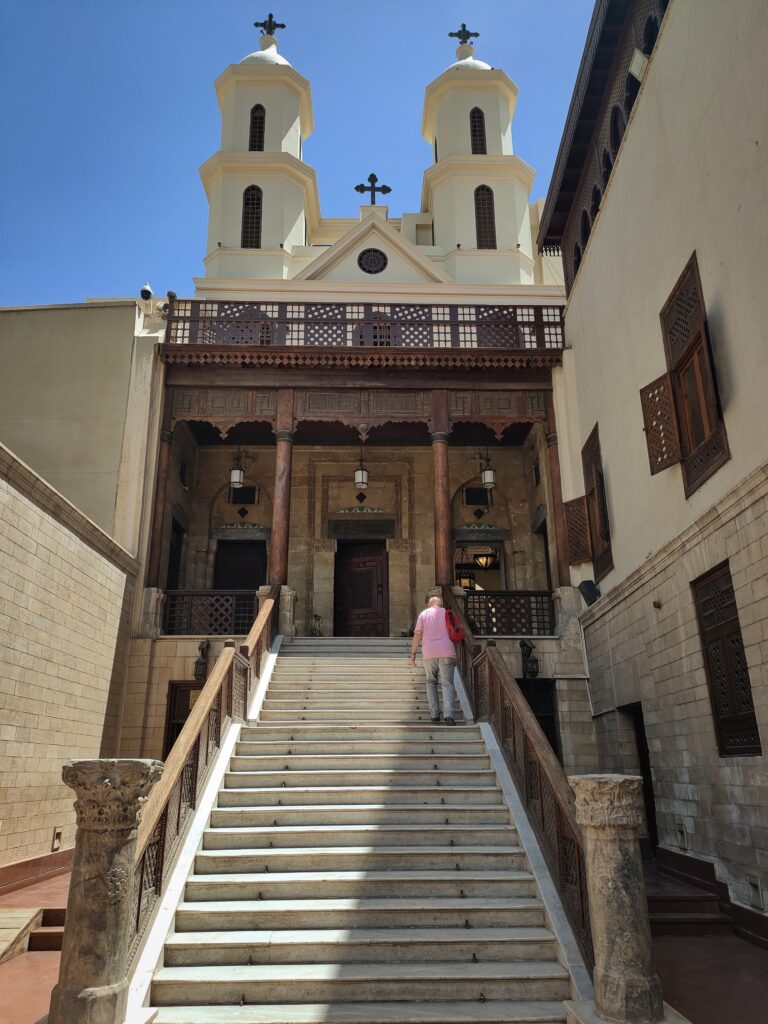
Apparently, in the time of the ancient Egyptians, Babylon was built by Assyrian prisoners. It was a fortress that would later be conquered by the Romans and eventually by the Arabs, who would turn what is now known as “Old Cairo” into a highly significant neighbourhood. Ironically, this territory, made famous by Muslims, would become a Christian and Jewish enclave. Hence the name Mar Girgis, or Saint George, derived from the great Greek Orthodox church. Today, a cluster of churches and the unusual Ben Ezra Synagogue, dating back to the ninth century AD, stand side by side on the remains of the Assyrian fortress. Nearby stands the celebrated “Hanging Church”, one of the earliest Christian basilicas in the world, dating back to the third century AD, built atop Roman remains from the time of Tiberius. It is an iconic church belonging to the Coptic Orthodox faith, under the jurisdiction of the Church of Alexandria.
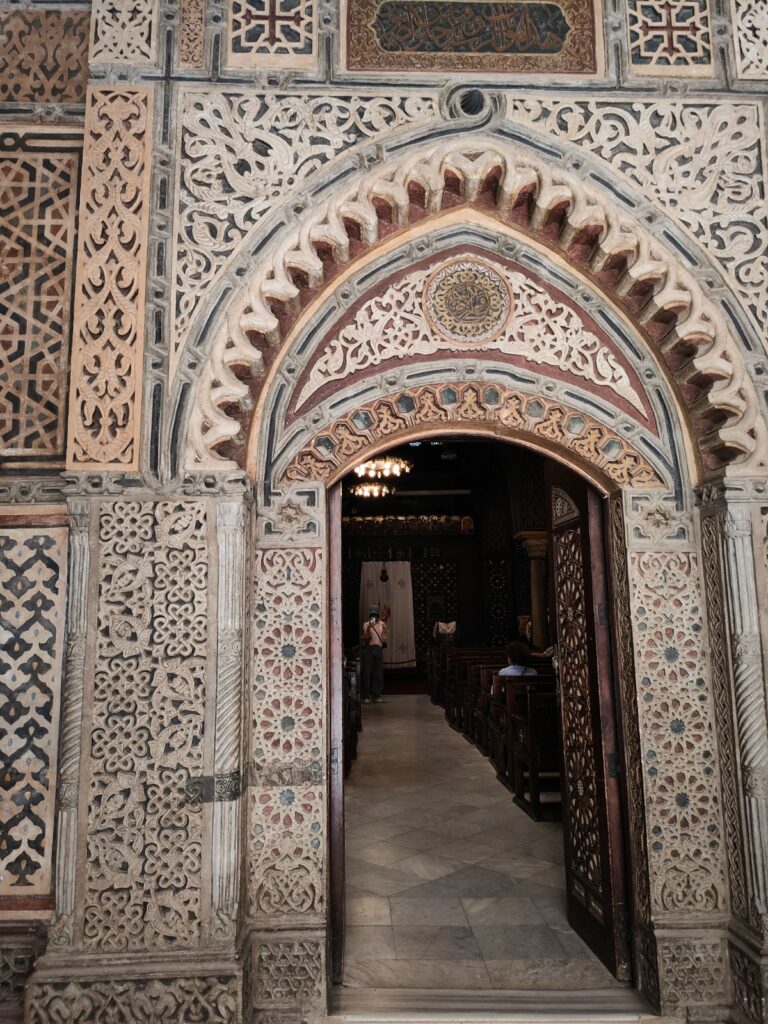
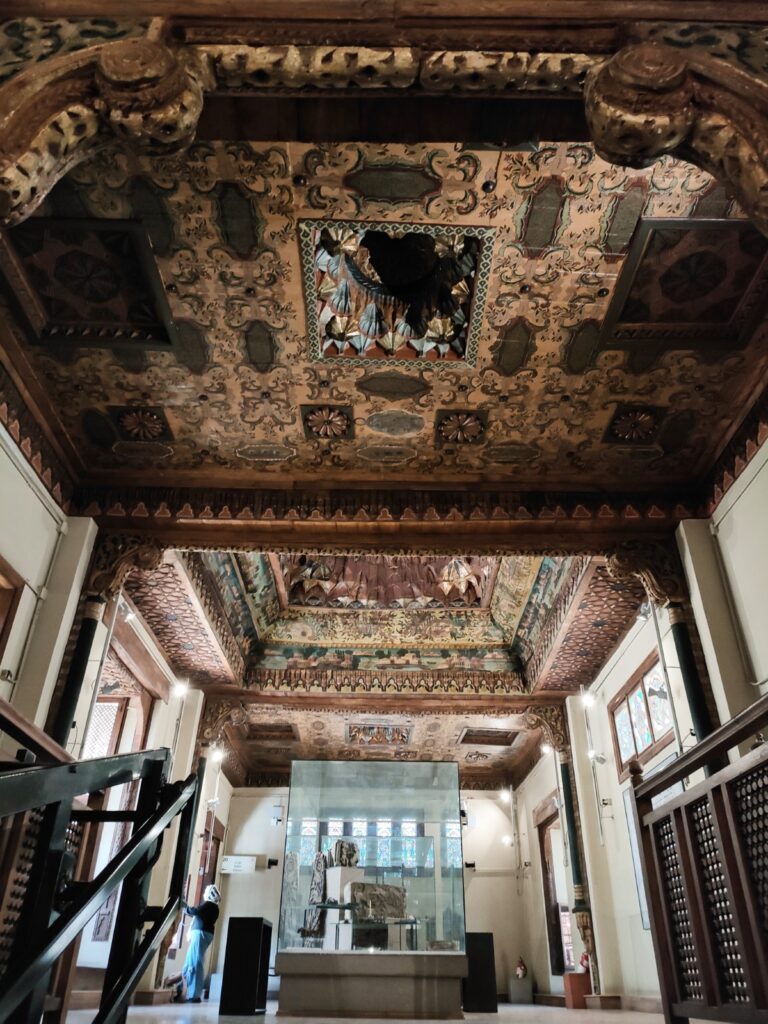
It is here that I begin to grasp the cultural, political and religious significance of the Mar Girgis complex. It is difficult to gain a clear understanding of it when arriving as an ordinary visitor at the gates of a fortified citadel guarded by the Army, where one must pass through metal detectors before being allowed to explore this concentration of monasteries, churches and cemeteries belonging to non-Muslim faiths.
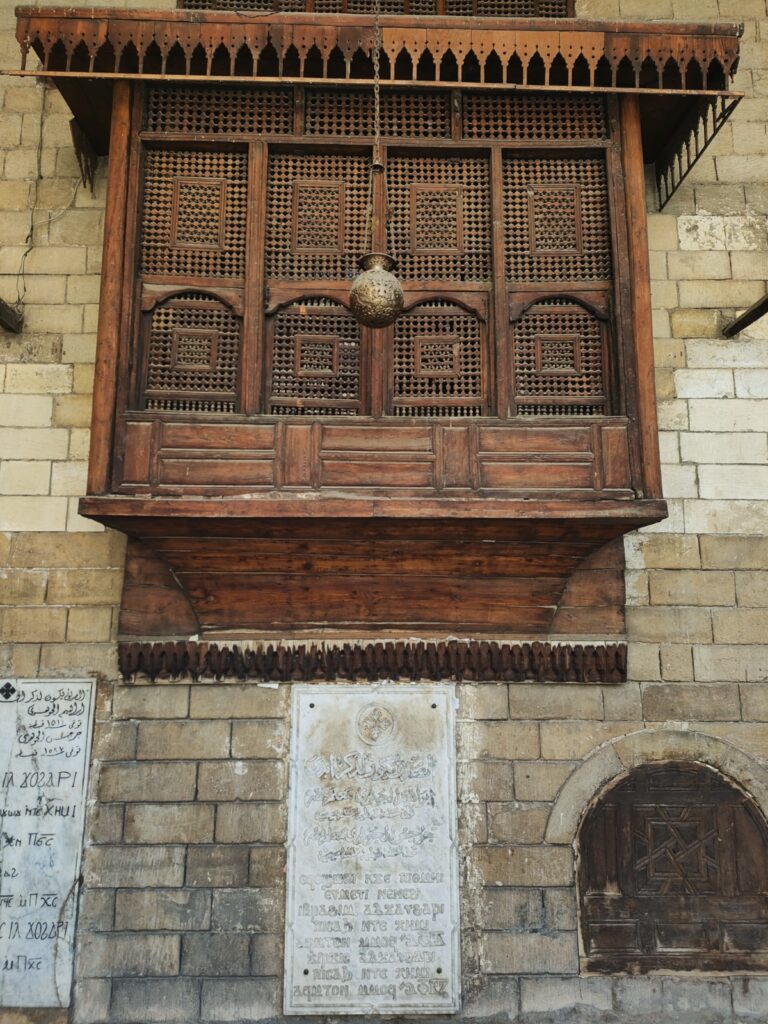
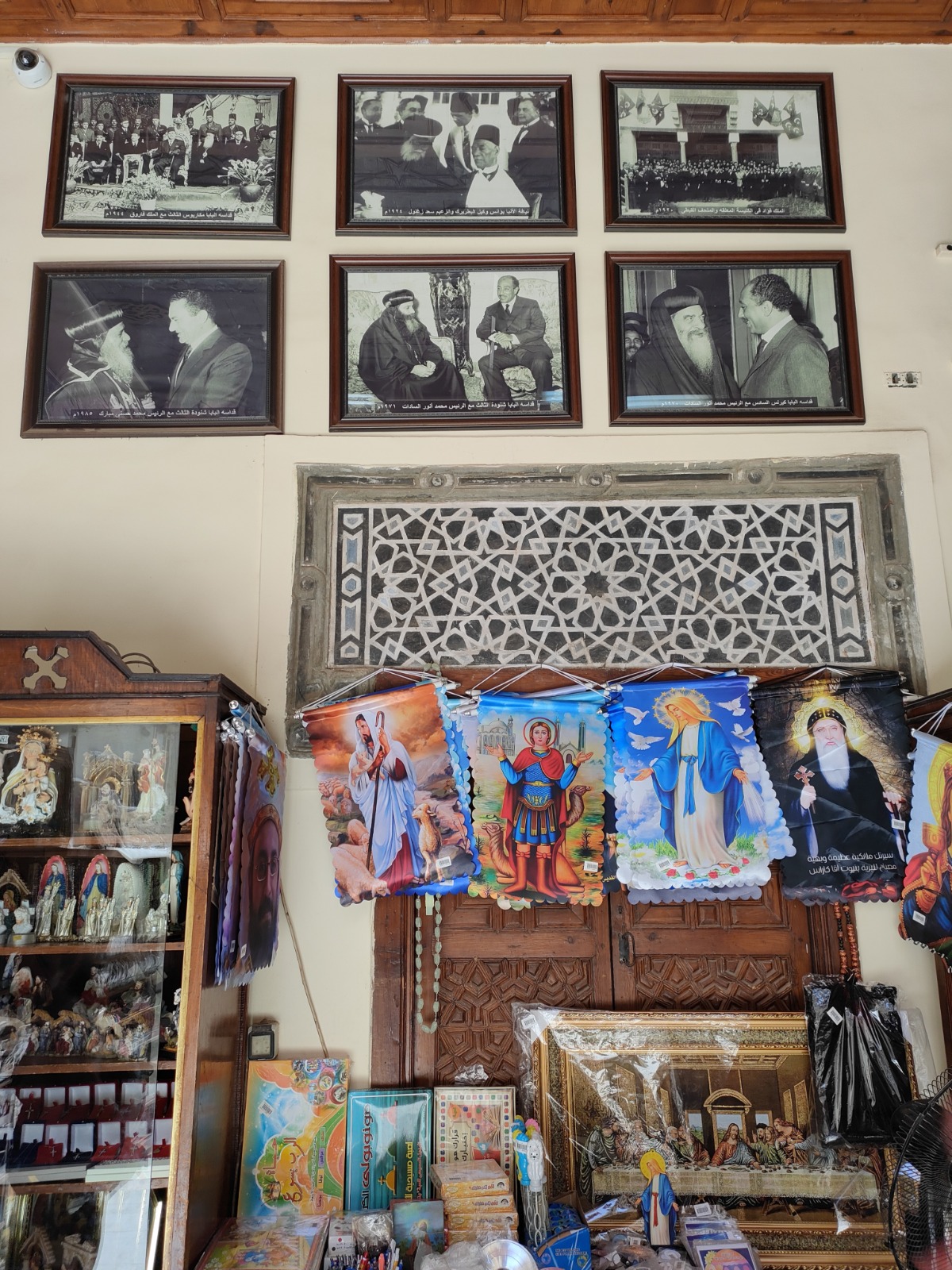
I begin to realise just how important this community is when I climb the steps of the Hanging Church and find myself in a sort of courtyard. Hanging on the walls are photographs of Nasser, Sadat, Mubarak and now al-Sisi, alongside Tawadros, the current Coptic Orthodox Pope. After the restoration of this ancient church was completed in 2014, al-Sisi celebrated its reopening with great fanfare, paying tribute to Egypt’s Christians. It seems to be a well-established alliance, provided one makes a considerable effort to put aside the imprisonment of Patrick Zaki, following the publication of an article in which he denounced discrimination against Egypt’s Christians (google if you are a curious fact-checker)…
But just how many Christians are there in Egypt? Around 15% of the total population, making them the second-largest Christian community in the Arab world after Lebanon’s Christians. Moreover, according to the self-perception of the local Christian and nationalist intelligentsia, the Copts do not consider themselves a minority at all. They argue that all Egyptians, both Muslim and Christian, should consider themselves Copts, since they are all direct descendants of the ancient Egyptians. The term “Copt” itself derives from the Ancient Greek αἰγύπτιος (aigýptios), meaning “Egyptian”.
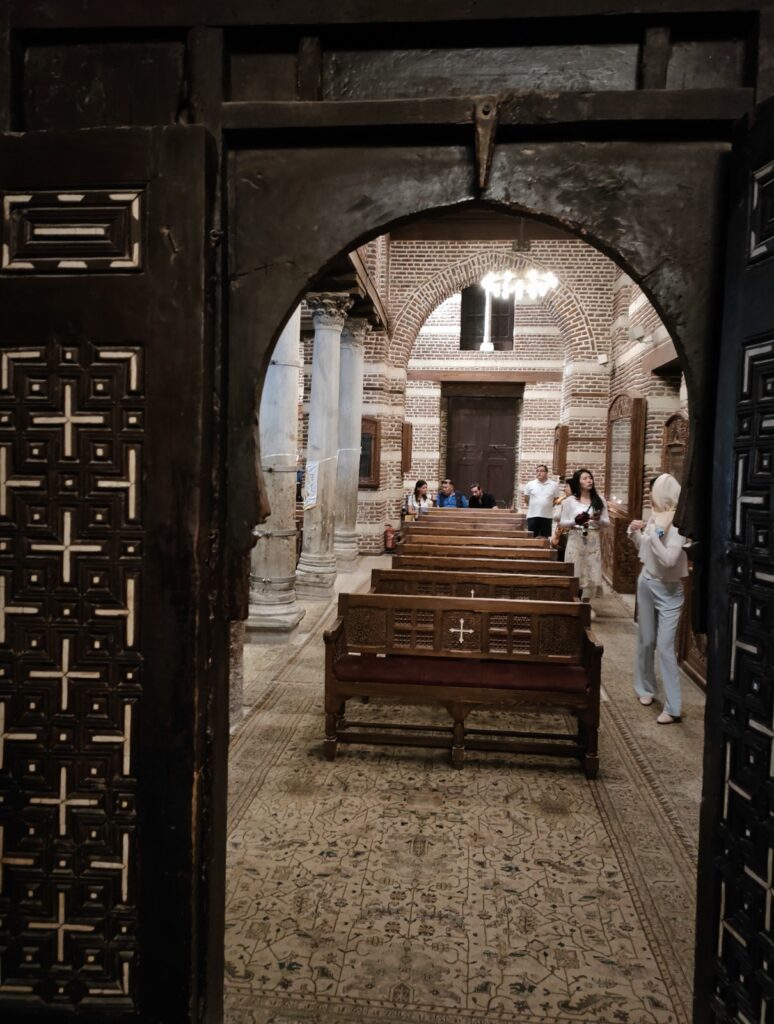
Historically, the Coptic Church was founded in Egypt in the first century AD following the preaching of Saint Mark, unlike the Catholic Church, which traces its roots back to Saint Peter. For centuries, particularly during the Roman Empire, this religious community represented the majority of Egypt’s population and enjoyed considerable economic, commercial and social influence.
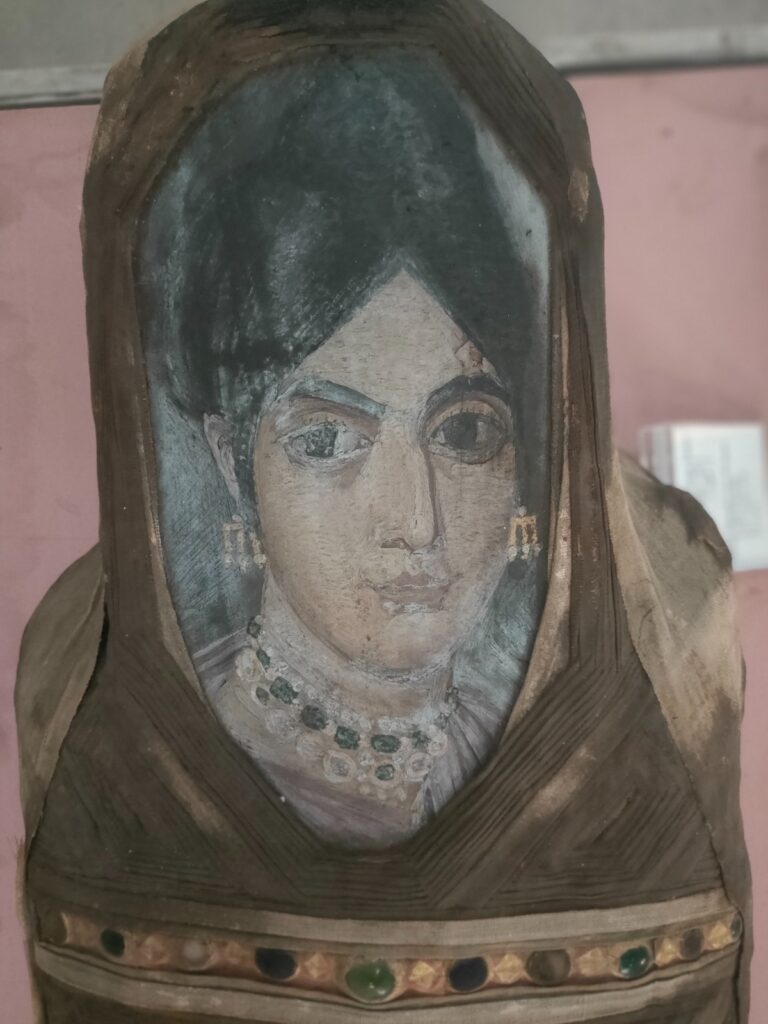
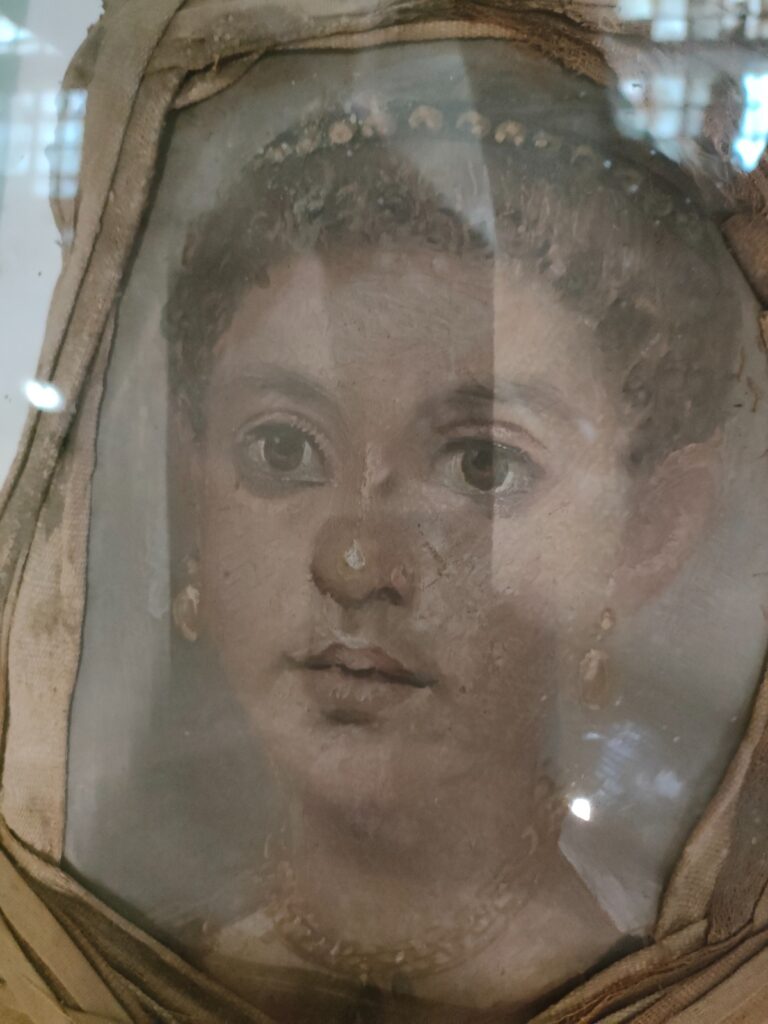
Fun fact: Coptic Christians used to bury their dead by adopting the art of mummification from the ancient Egyptians. These communities were widespread across Upper Egypt and Cairo, only becoming concentrated in the industrialised area of Alexandria from the nineteenth century onwards.
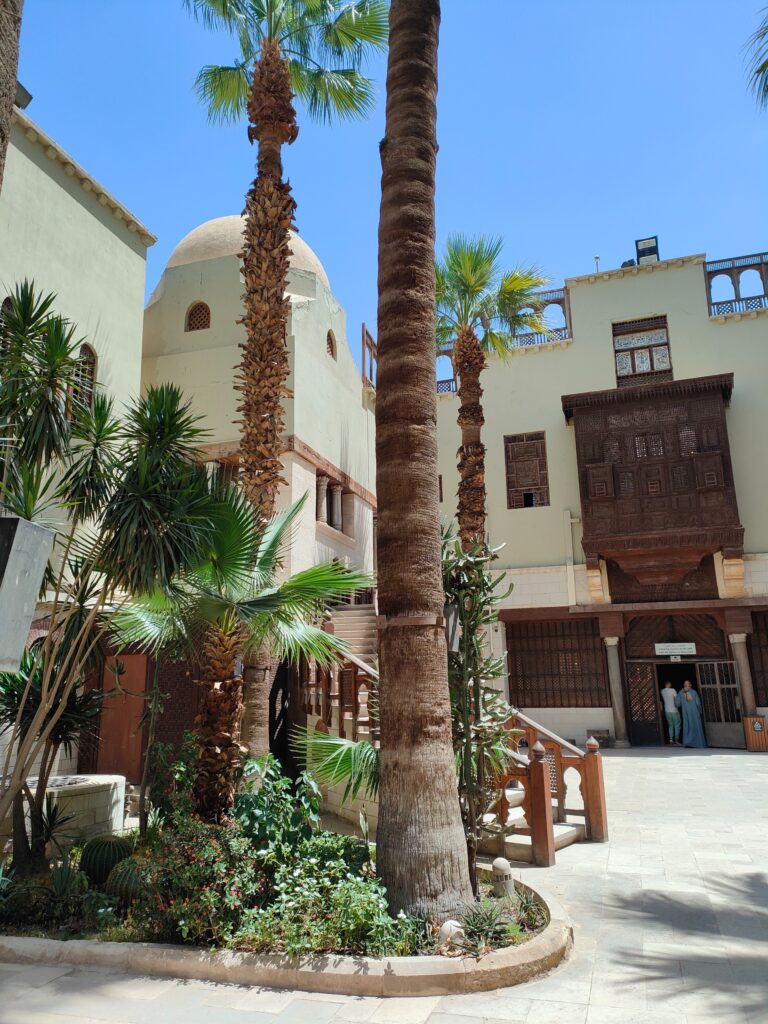
At the Coptic Museum in Cairo, I admire artefacts from some of the ancient monasteries scattered across the lands bordering the Nile. I examine their distinctive textile works and wood inlays, as well as the precious liturgical manuscripts produced by scribes. From an identity and linguistic perspective, Coptic survived only through liturgical texts following the Arab invasion.
Coptic Christianity is far from monolithic, encompassing three distinct confessions: the Coptic Orthodox Church, the Coptic Catholic Church and Protestantism, the latter two followed by relatively small numbers of believers.
In brief, the first follows the miaphysite Christological doctrine, with roots in the Christianity of the ancient Roman Empire, and is associated with four historic patriarchates: Constantinople, Alexandria, Antioch and Jerusalem, alongside several autocephalous churches. The title of “Pope” belongs to the Patriarch of Alexandria, a position held since 2021 by Theodore II, known in Arabic as Tawadros.
The second, by contrast, is separate from the Orthodox Church and is in communion with the Church of Rome. It currently has around 210,000 followers in Egypt and Sudan combined. Its origins in Egypt date back to 1630, when the Capuchin Franciscans established a mission in Cairo, followed by the Jesuits some forty years later. Since 1895, Alexandria has been home to the Coptic Catholic Patriarchate of Alexandria, the patriarchal venue of the Coptic Catholic Church, currently headed by Patriarch Ibrahim Isaac Sidrak, who took office on January 15, 2013.
Coptic Catholics follow the Coptic liturgy and differ little from Coptic Orthodox Christians, apart from their recognition of and the role they assign to the Bishop of Rome. However, they do differ in certain respects from Roman Catholics, particularly in the timing of religious celebrations: Coptic Catholics celebrate Christmas on January 7, while Easter falls between late April and early May.
So, what does all this mean?
It seems that the current establishment, much like Mubarak’s regime before it, is keen to maintain a certain balance with this substantial segment of the population. Mubarak’s rule preceded Egypt’s first and only period of Islamist government, led by Mohammed Morsi and the Muslim Brotherhood between 2012 and 2013.
And it is not just the Copts. The authorities also seek to maintain a balance with the Greek Orthodox and Catholics loyal to the Vatican. After all, these minorities have always played an active role in the country’s commercial and cultural life. One need only recall the persons of the poets Konstantinos Kavafis and Giuseppe Ungaretti, both of whom lived and worked in Alexandria.
Precisely because of their political and cultural influence, as well as their economic weight, Christians were protected and co-opted by the political system, from the period of British rule through to Nasser’s regime during the crucial years of the 1950s.
Gradually, however, the protection of Christian symbols and the preservation of their way of life have become increasingly private, elusive and secluded, until Christians venues have effectively ended up being ghettoised in Mar Girgis.
The Western-style establishments they frequented along Talaat Harb Street — Café Groppi, Café Riche and the Metro Cinema among others — are now dilapidated, run-down and often closed indefinitely. The area had been developed by Khedive Ismail around the turn of the twentieth century, inspired by Haussmann’s Paris, and was famously portrayed by Alaa Al Aswany in his cult novel The Yacoubian Building.
All this has unfolded amid growing social friction, as an increasingly numerous Muslim population has become resentful of Christian privilege, sometimes under the influence of more hard-line Islamist factions such as Daesh and, indeed, the Muslim Brotherhood, a movement founded in 1928 in Ismailia, Egypt, by Hassan al-Banna.
Since the Arab Spring, these groups have contributed to an intensification of terrorist attacks against Coptic Christians, targeting both worshippers and places of worship. Some analysts believe these are, in fact, attacks against the regime itself, which is accused of protecting the privileges of these supposedly indefensible “internal enemies”.
Today, therefore, al-Sisi, much like his predecessors, must maintain a delicate balancing act between the influence of the Grand Imam of Al-Azhar Mosque — regarded by much of the Muslim world, not just in Egypt, as the highest living expression of Sunni Islamic theological, the secular-minded Egyptian Muslims who remain loyal to the Nasserist model, the influential Coptic Christians, and Egypt’s growing, impoverished population, which can easily fall prey to extremist factions.
This is what Egypt’s ruthless regime must somehow reconcile in 2023.
The question is: will it succeed?
[To be continued…]