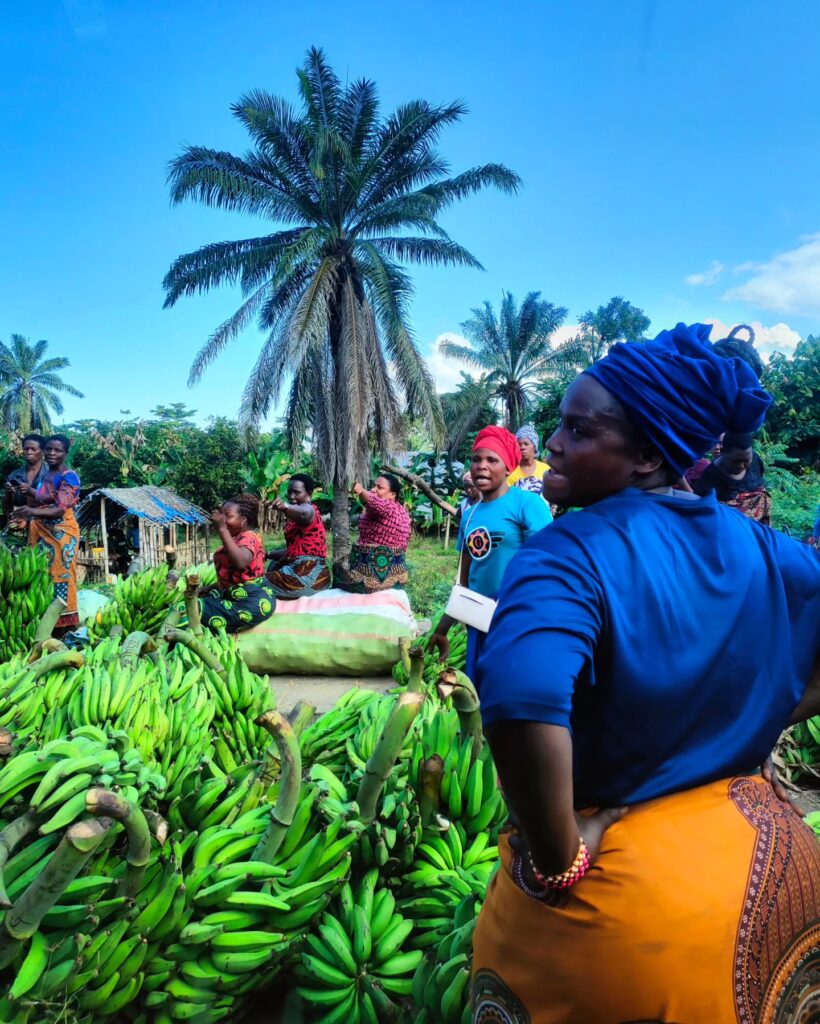
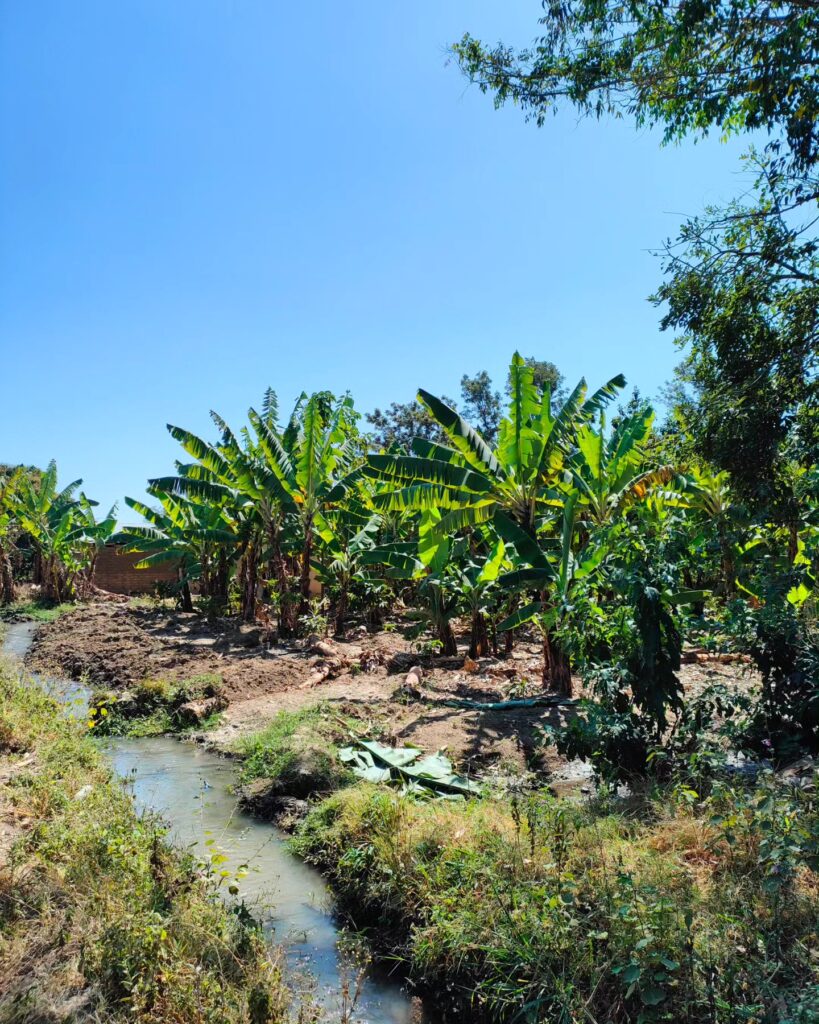
I read in a book by Ryszard Kapuściński, “Ebano”, that for Africans the concept of time is not scientific. It is a flexible, elastic, open-ended and subjective category. In Africa it is the “event” that shapes time, where man holds a crucial centrality and expropriates the scientificity of its course. When does an appointment begin? When people come together. They often do so extemporaneously and in small groups, clans, sects. It often happens under a tree. The tree is everything in Africa, umbrella of gatherings, debates, weddings, funerals. Africans’ sense of community becomes necessary because of the oppression resulting from boundless space and nature. Intimidated by calamities, by the preponderance of nature, by the dangers of darkness and night, the clan stronghold becomes a safe place and home, compared to the possibility of being able to meet other human beings much “time” and “space” away. Today it took me four hours to travel the 150 km of road between Mbeya and Lake Malawi in a jeep. The succession of random “events” slowed the planned trip: perfunctory checks by police patrols (to whom we often do not proceed without random “tipping”), human blockades of banana vendors on the roadway, tea pickers in the hills, rice farmers who take pleasure in showcasing the artisanal supply chain from harvesting to roasting in the closet of their homes, sudden changes in the weather, then the arrival, at a dilapidated “resort” in a former Lutheran colony in the middle of nowhere, one of many here on the continent.
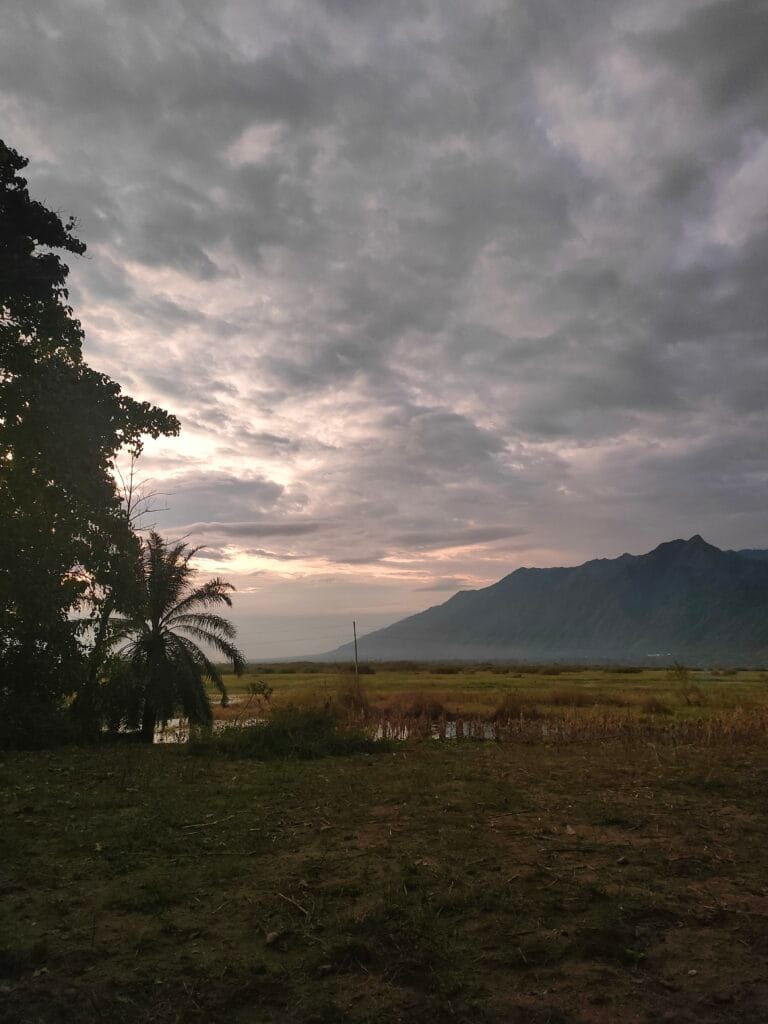
I am writing from Mbeya, in the Tanzanian zenith lights. Behind my desk a boy is watering the soil to sprout a pacamara coffee plant, or perhaps a mango, or an avocado. I landed a week ago in the night of Dar es Salaam, spending a day in Tanzania’s capital, overlooking the exotic Zanzibar, with which it has little to share. While the Oyster Bay neighborhood, originally built and lived by British settlers, is considered the city’s exclusive neighbourhood, inhabited mainly by Europeans employed by NGOs and other international organizations, the rest of the metropolis is a far cry from the legends of African growth I have heard about in Italy. I observed the dirt neighbourhoods and distressing lanes of the capital from the van that escorted us through our twenty-four-hour stay, then delivered us again to Julius Nyerere Airport. By a domestic Air Tanzania flight, I landed in the country’s boundless interior to reach Utengule Coffee Lodge, once again via a nocturnal and often unpaved driveway.
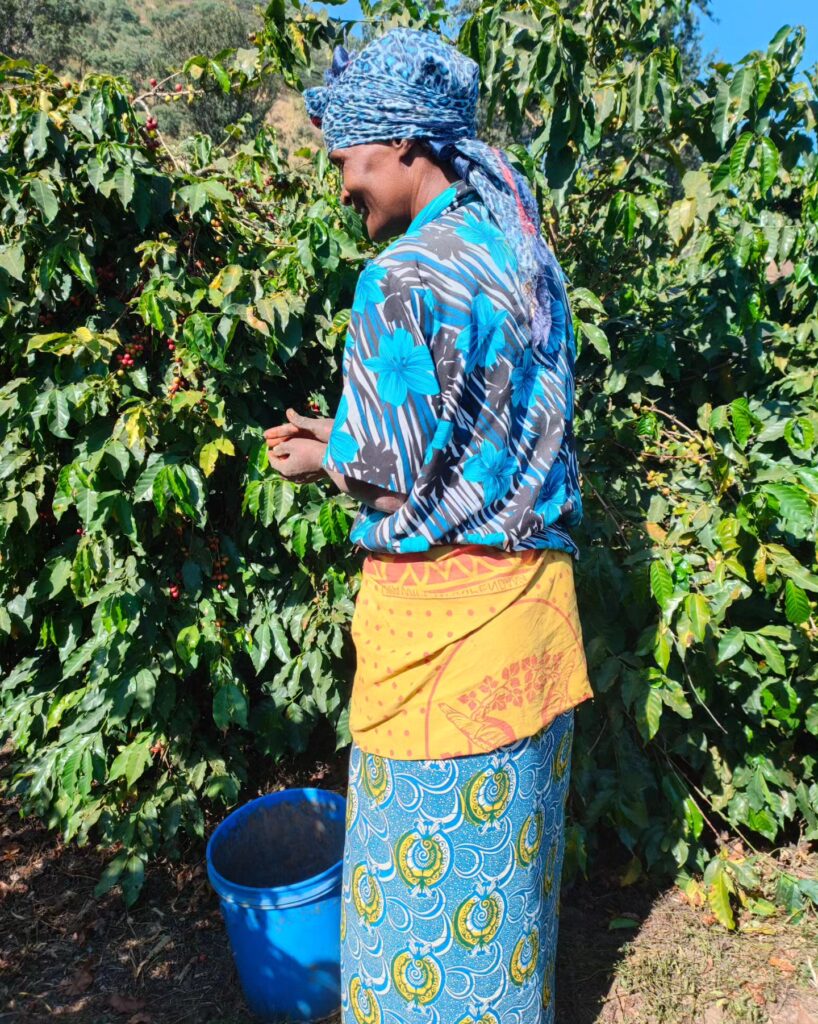
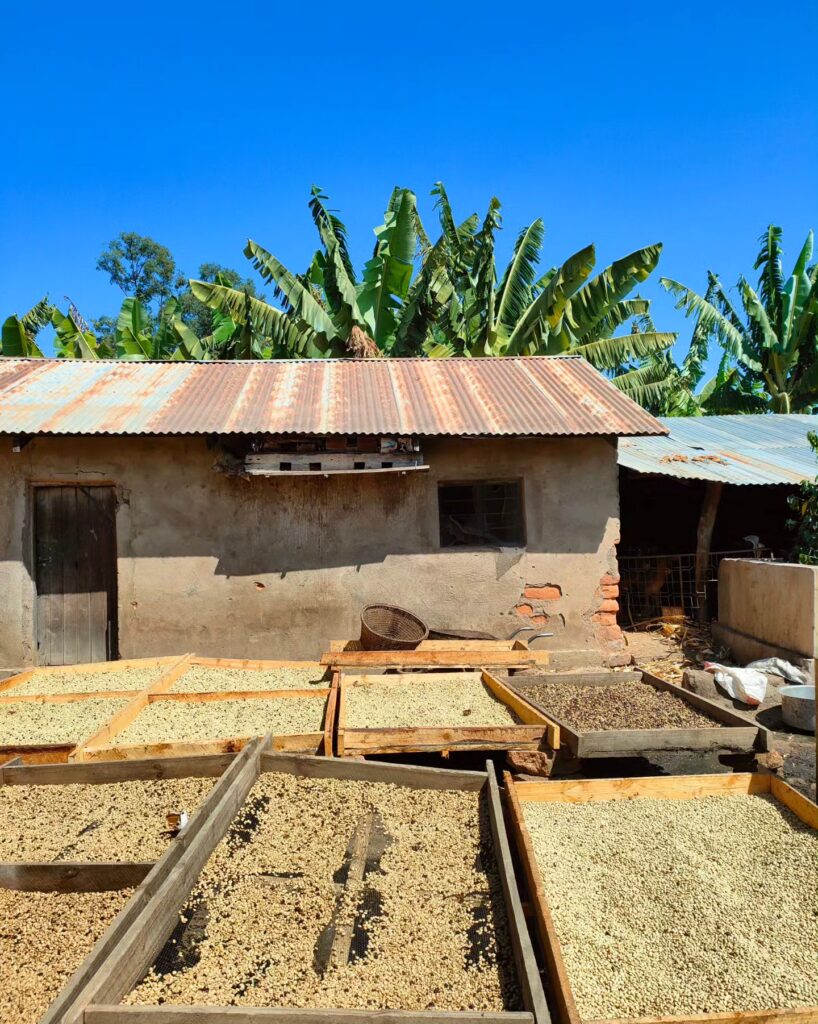
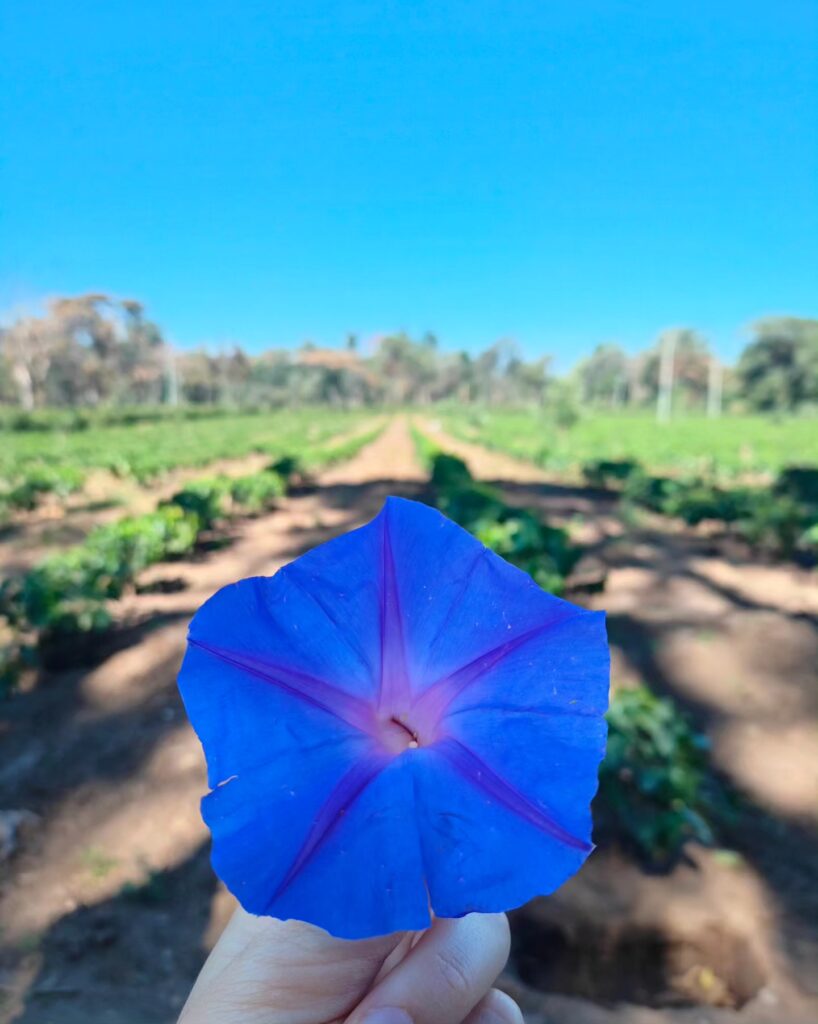
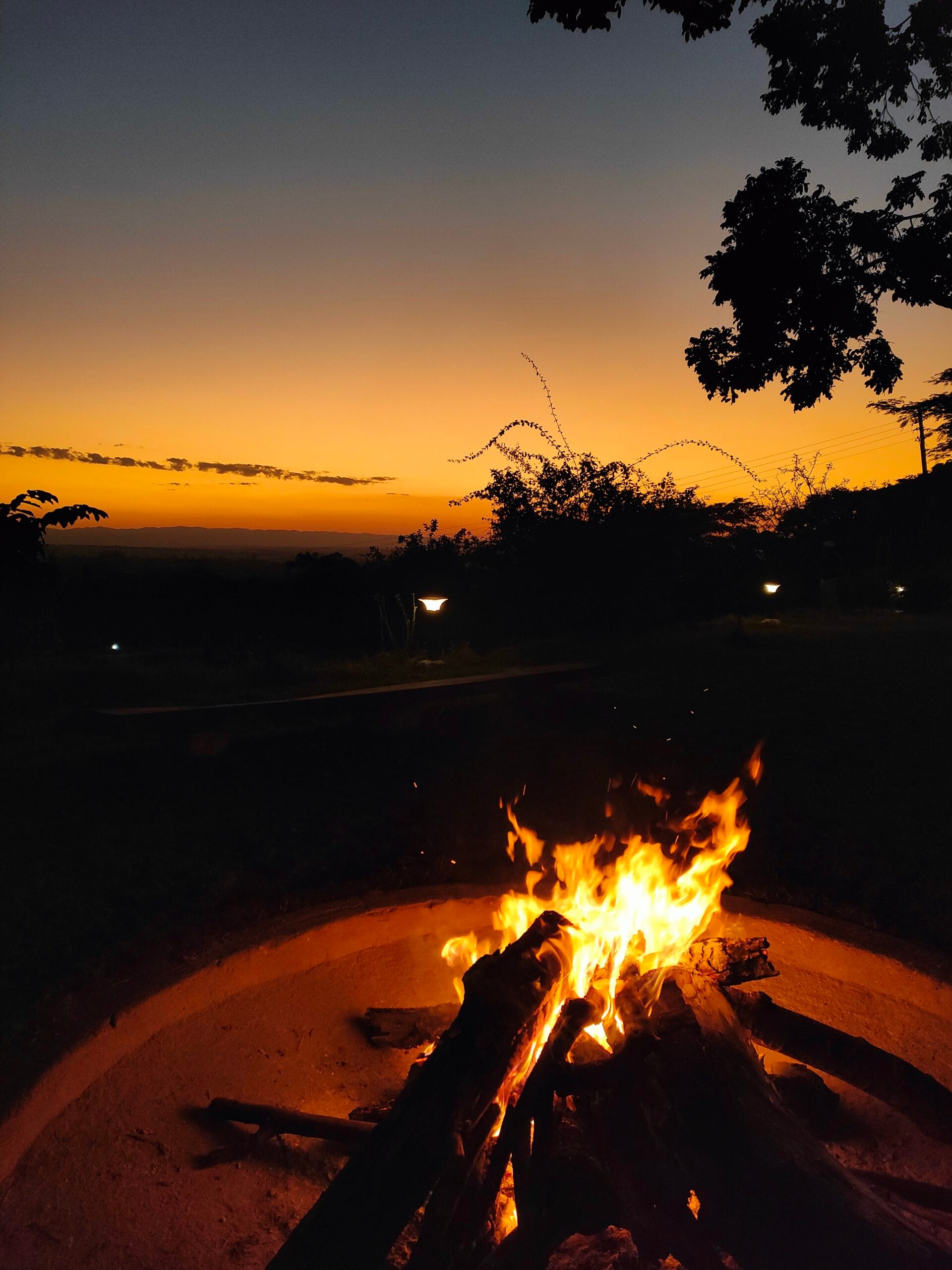
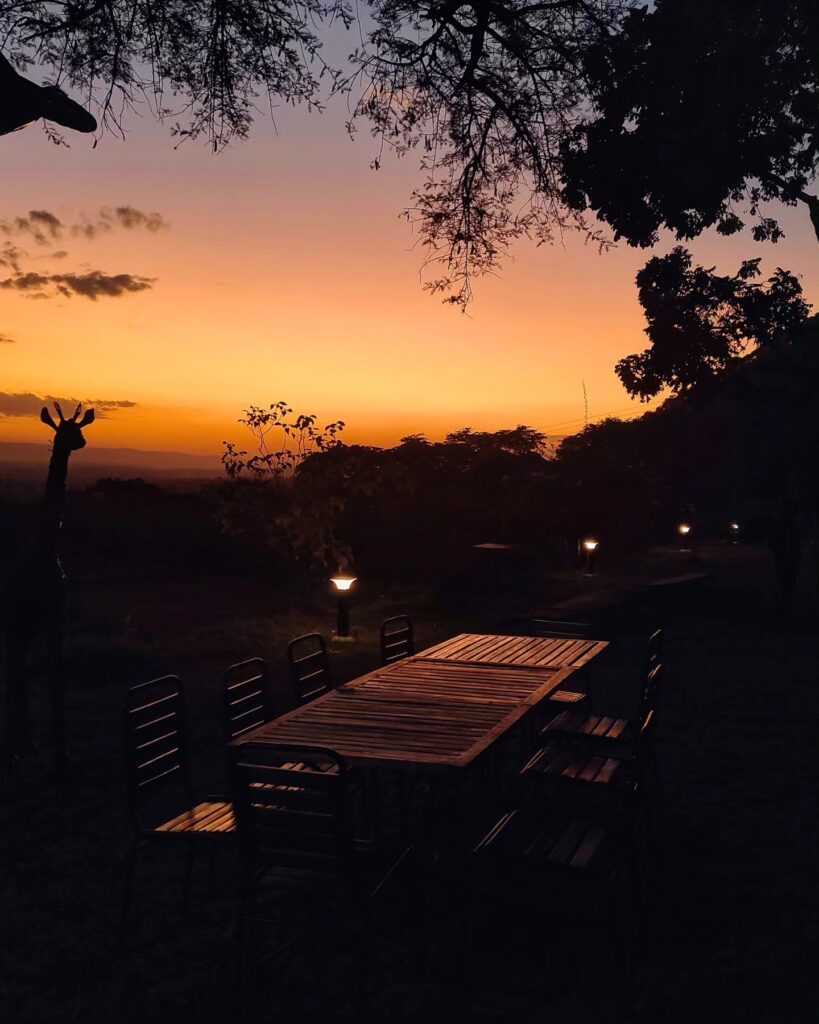
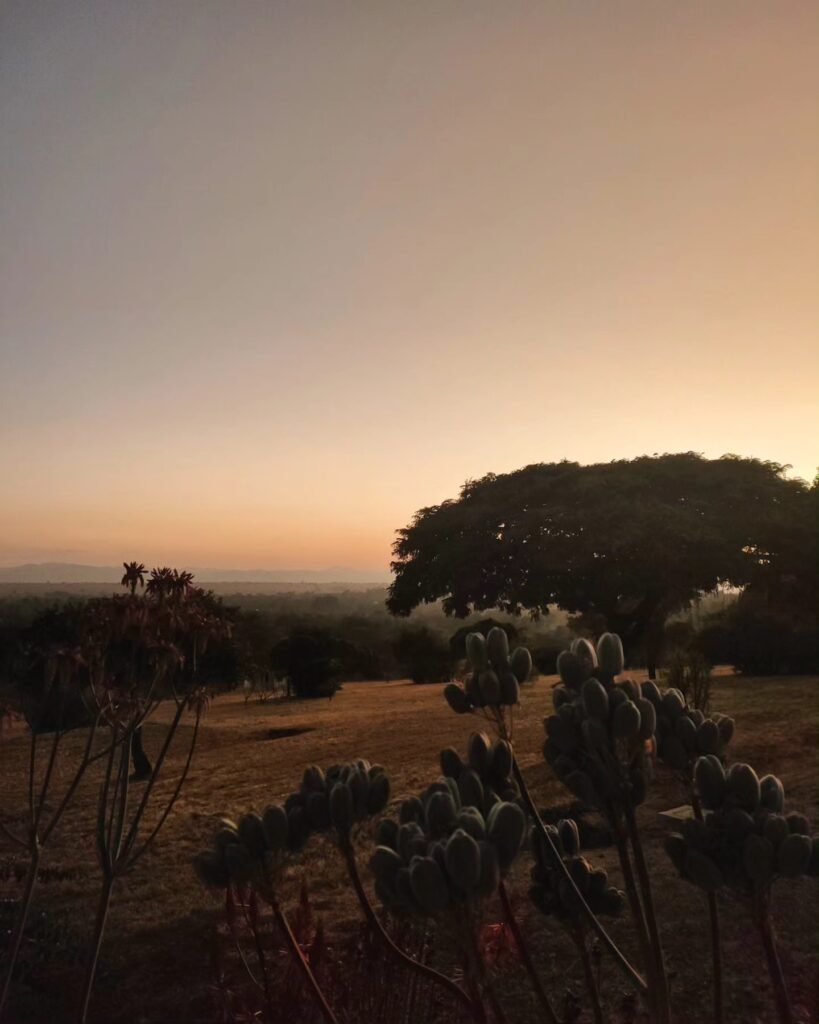
I came all the way here to participate in plantation life in the Rift Valley, observing, seeing, shyly participating in the coffee harvest along with the protagonists of these places. I have been in Africa for a week and I am still not used to being dominated by Nature. I think even though I am its child, it frightens me when it envelops me by waking me up at night with its unexpected sounds, surprising me, intimidating me. My favourite time is dusk, when the wind caresses the trees, the countless hues of the sky are expressed, Nature calms down, and humans retreat or gather around bonfires to warm themselves and enlighten conversations. I learned that locals fear the dark, believing it to be the bearer of evil spirits. Their fear is perhaps greater than that of the children who saw for the first time some mzungu (white/foreigner/), aka me and my fellow travellers. Our routine is simple and cadenced by the rhythms of the Rift Valley. We follow the rhythms of the sun, waking up at 6:30 a.m., have breakfast at 7:30 a.m. with tropical fruit, banana bread, avocado toast, French press coffee. We stay on the plantation until 12 noon. Then we visit local villages led by some tribal leaders. We have an early dinner, about 7 p.m., accompanied by the sunset. Utengule is an almost extraterritorial segment, built by a family of Swiss and Danes. It occasionally hosts mzungu who come to visit the plantation in small groups, or sometimes auditors from international organizations. I meet one, Gregory, a World Bank official here monitoring a tender.
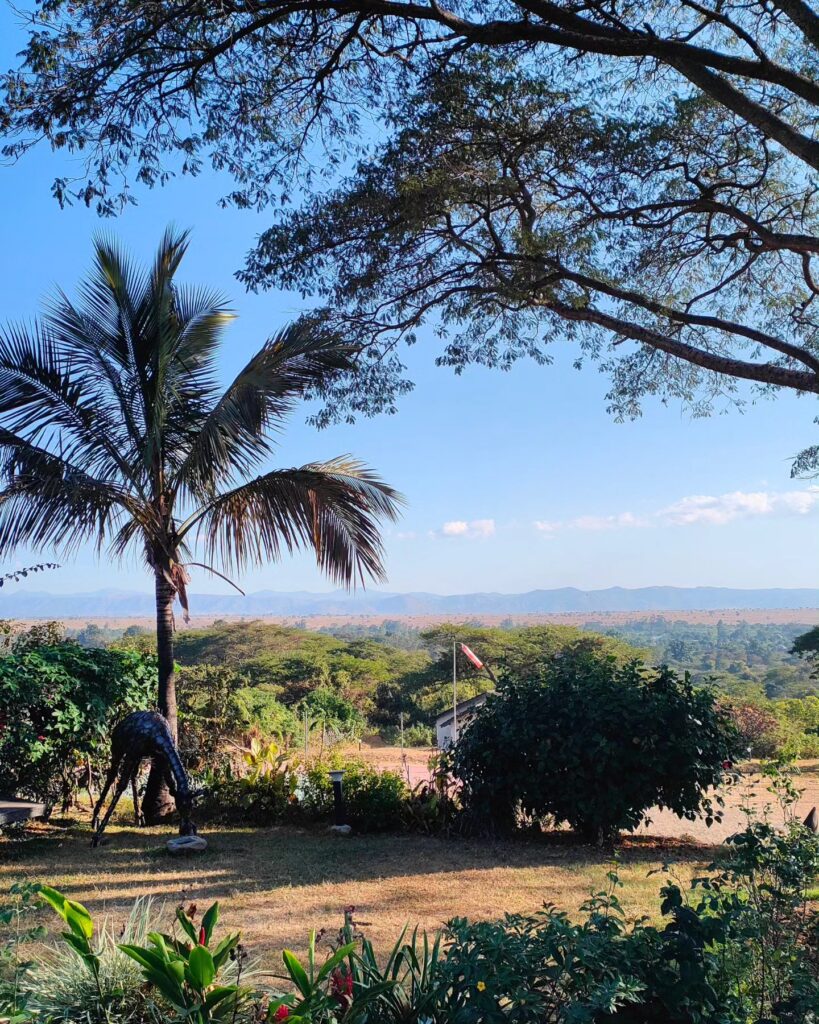
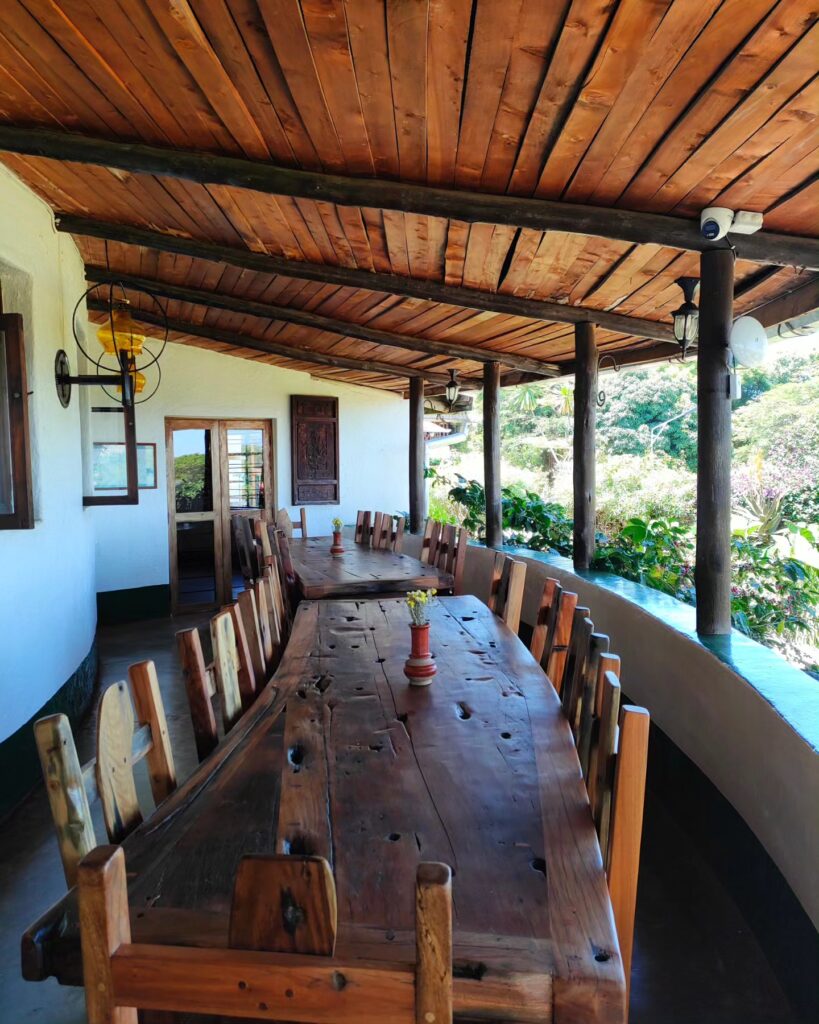
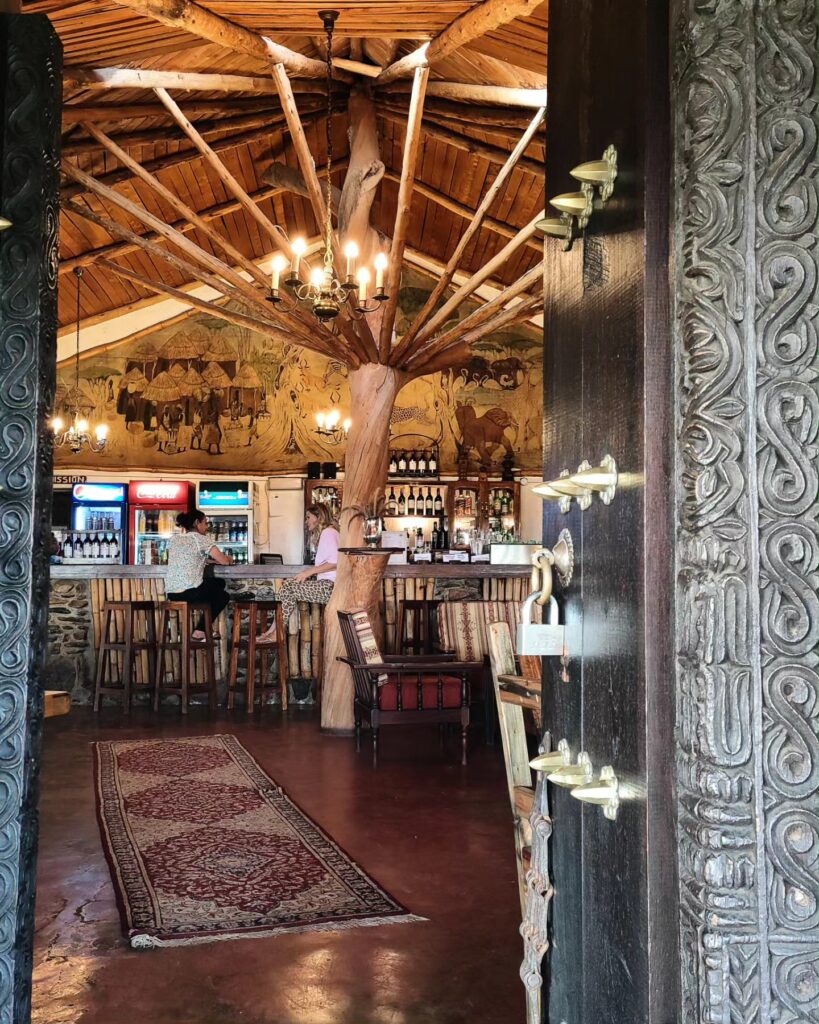
We bump into each other at breakfast. He strongly recommends that I try the Spanish omelette, which may remind us of Western home, Washington DC and Northern Italy, respectively. Instead, one evening we are secretly offered an excellent South African Syrah at the table, the hidden senders are a German couple, they want to toast together to this random night among mzungu in the middle of nowhere, almost as if we needed it to give ourselves courage. The homeowner has built a lodge in a delightful and accurate colonial safari style, equipped with tennis courts, swimming pool and dining area, overlooking a boundless and breathtaking landscape. He settled here after 30 years of wandering the coffee regions, basing his business in selling green coffee to large traders and in a small part in roasting coffee for the domestic market.
Coffee is roasted in Dar, in the heart of a favela, at the home of a wacky botanist visited during the course of twenty-four hours in the capital. Next to the roastery, this gentleman has cultivated a kind of botanical garden, where I discover the existence of species I have never heard of: the anato, carambula, jackfruit, star fruit. The weirdo botanic guy, also Swiss, married to a Tanzanian and has been living here for about 30 years. He has been our guide for about a week, awkward but helpful intermediary in swahili between us and the local people in the distressing local markets, on the plantation, in the
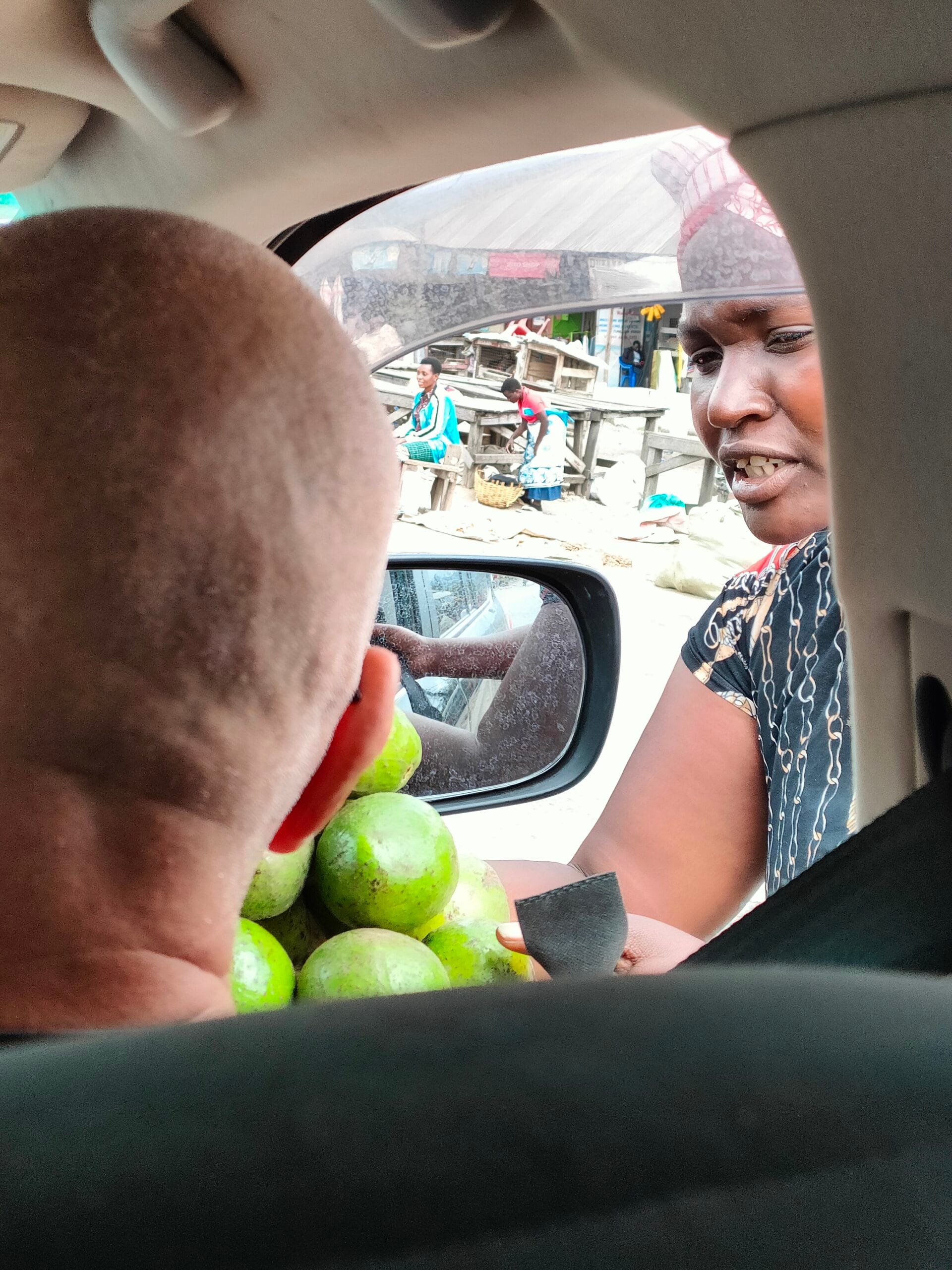
villages. Through this communication channel we manage to interact, we learn at least to say “Habari”(hello). It is a magic word, often followed by a gift, a fruit, a ball of fried bread similar to a berliner krapfen, served on the ubiquitous plastic buckets.
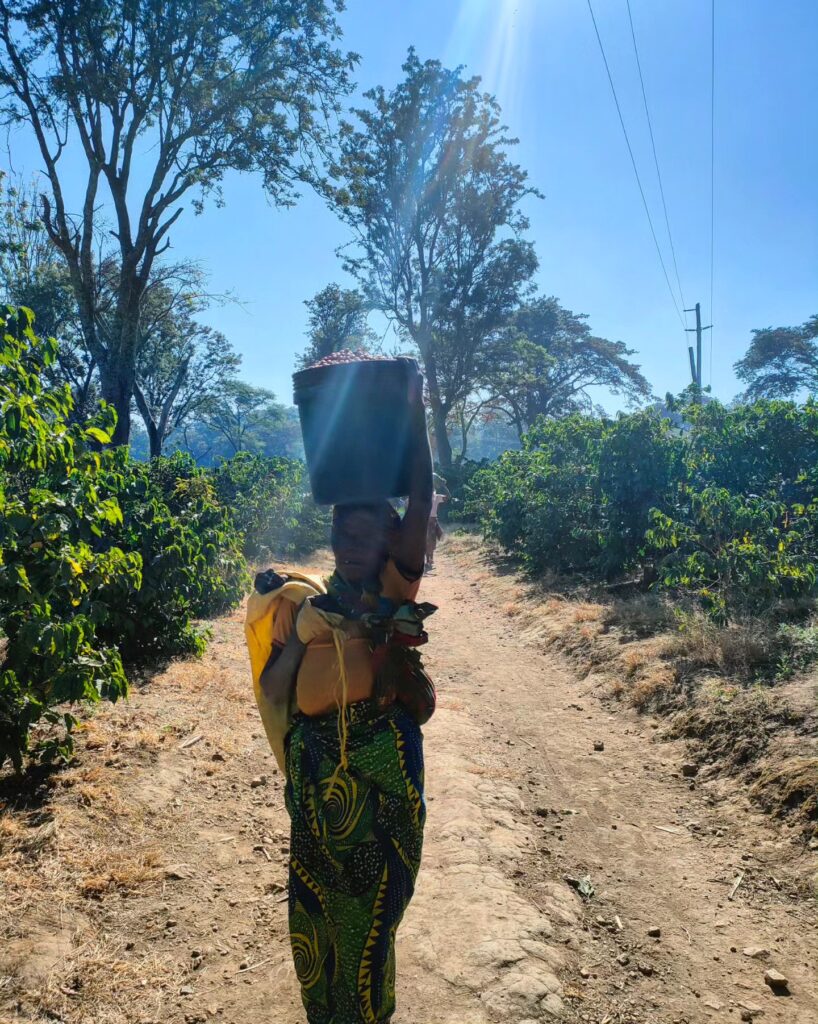
I have seen them everywhere, in hotels, at gas stations, in kitchens. Women manage to load them on their heads while balancing, managing to carry anything, not just coffee drupes. Originally the bucket was for procuring water, while today it is a multitasking object that carries anything, as known in the street market. Could those street markets be where the ingredients for our evening burger came from? The botanist explained to me that all the international grocery chains like Carrefour have gone out of business, between bribes to pay and lack of consumption. Perhaps that is why the other day, when I tasted an antelope stew, I was told about a km 0 gourmet dish. Indeed, served on the real African comfort food, ugali (a kind of white porridge), it had its taste sophistication. On the plantation, on the other hand, the labourers invited me to taste a local snack: they munch on fresh cane sugar, seeming to bite into a giant celery in order to suck that sweet essence. How do they do it? I wonder, since many of them dress in brightly colored colors on their very dark skin highlighting only a few very white teeth. I can tell the repeated use of superlatives serves to emphasize the intensity of the image.
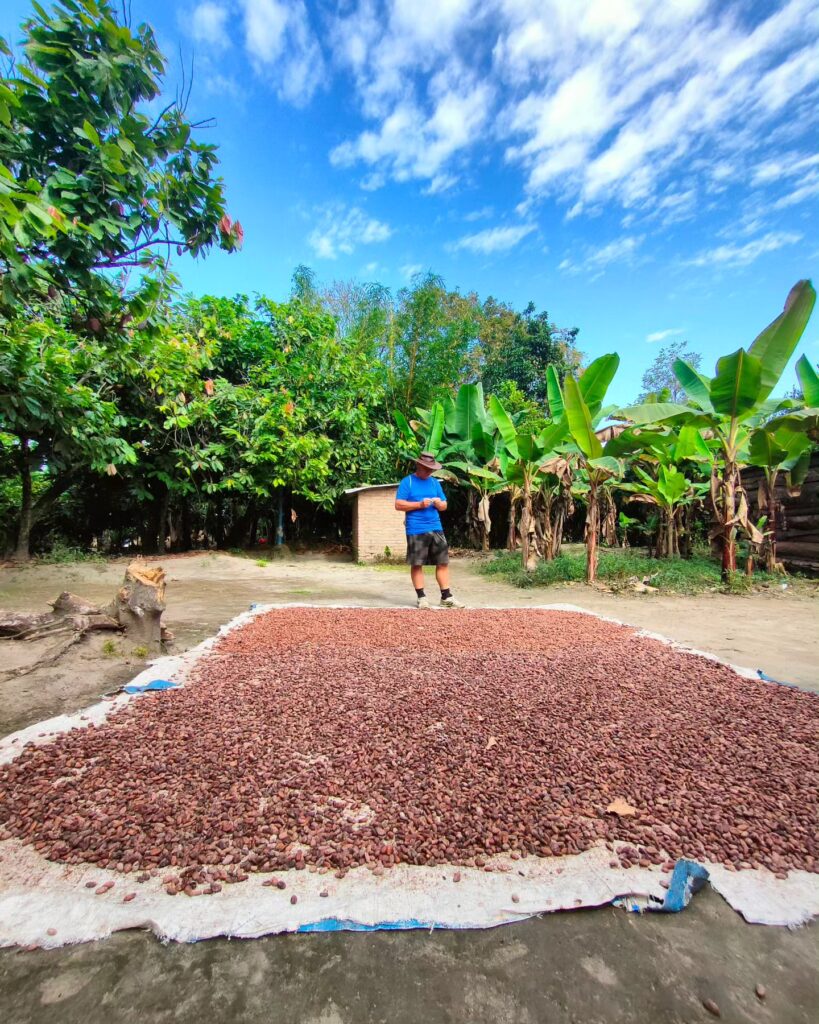
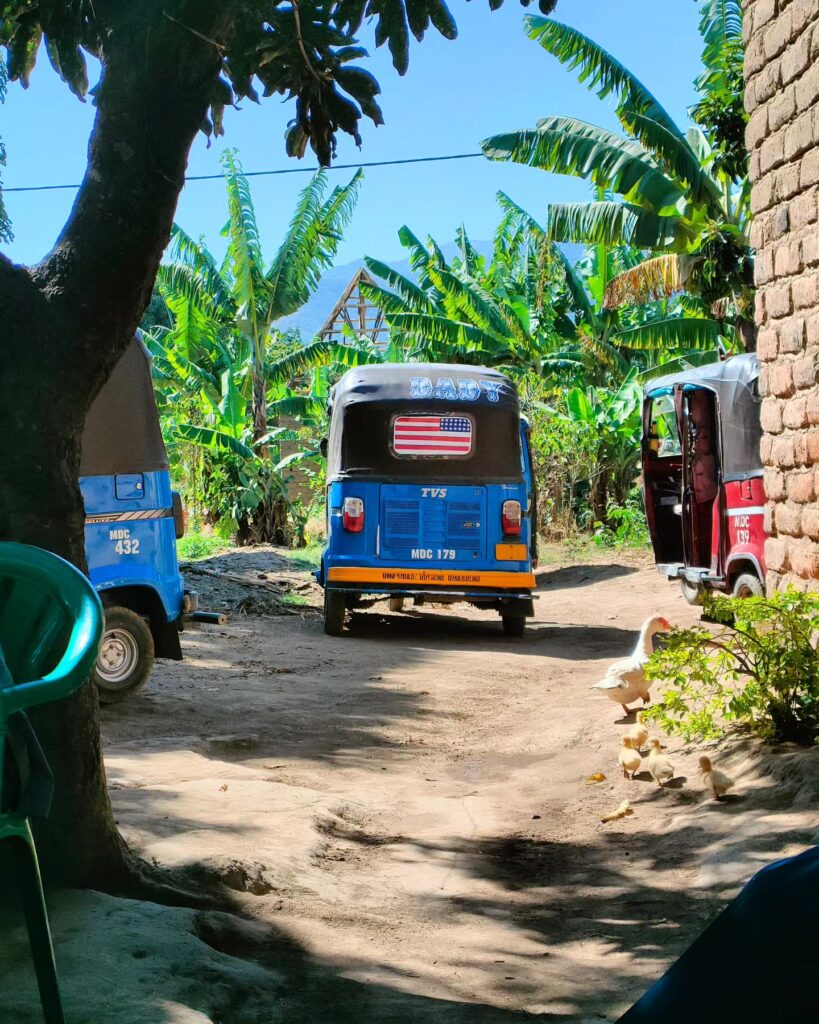
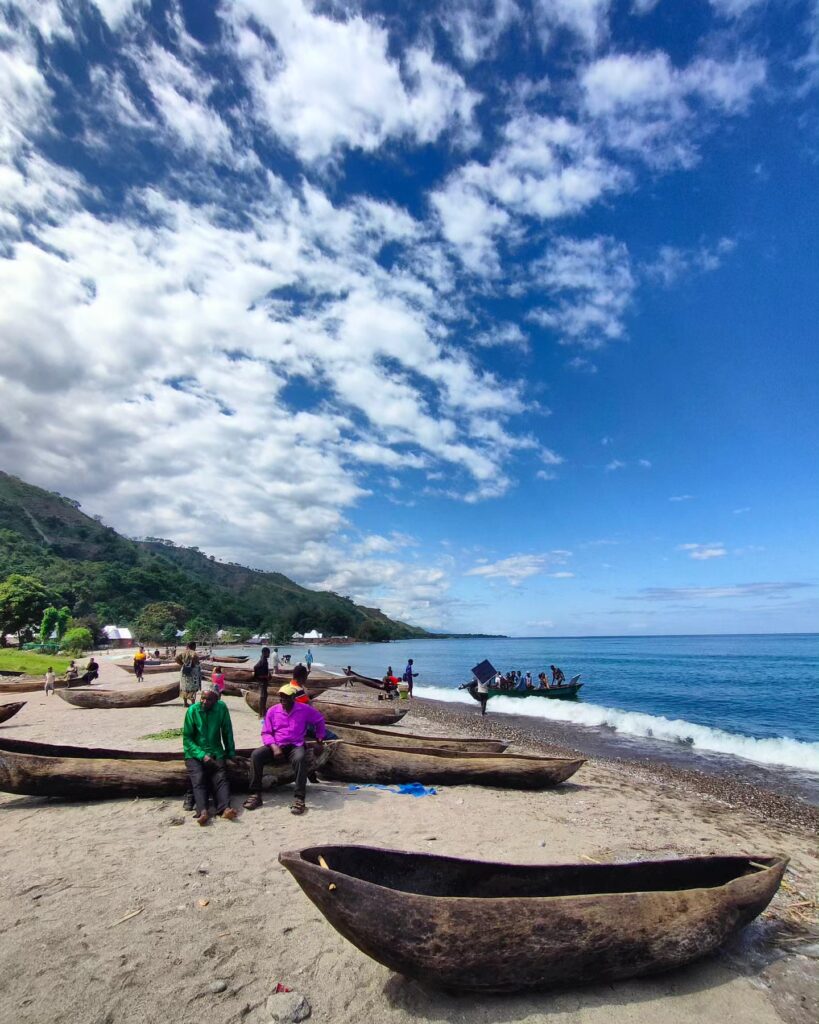
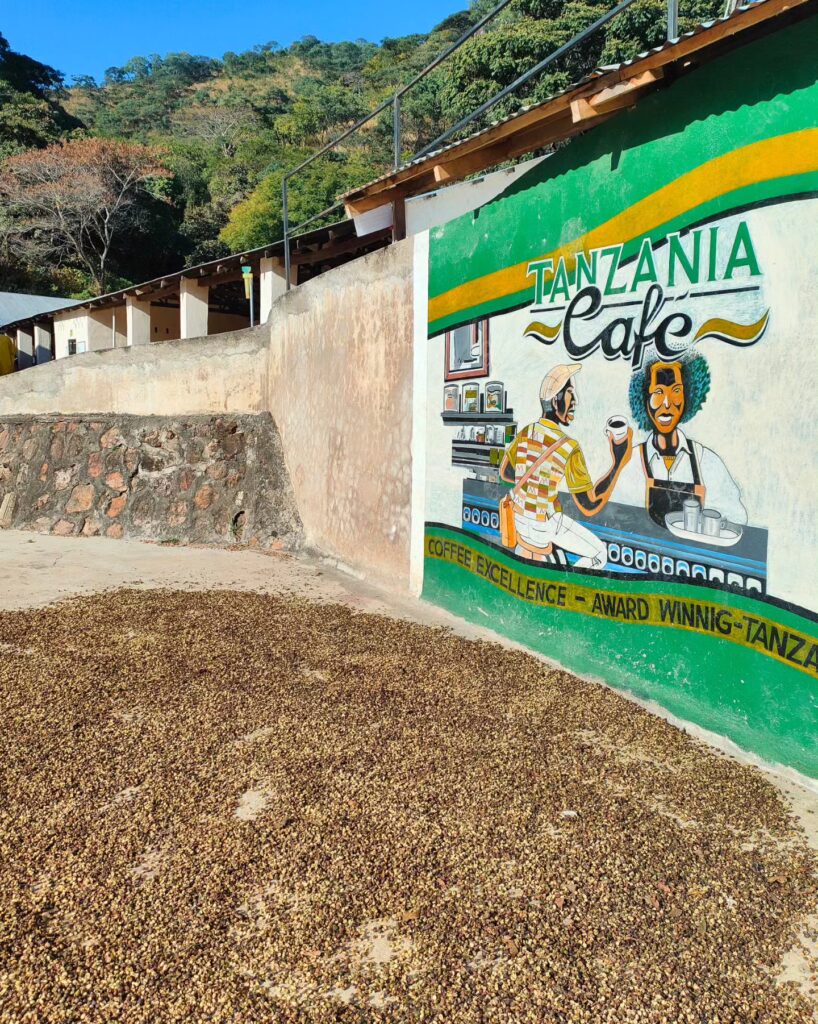
There are almost only women picking the coffee drupes: red, juicy, dense cherries. Apparently, women are “better” and more “accurate,” says the owner. Women also take centre stage at the market, selling fruits, vegetables, and fish. For them, the market is a place for gathering, chatting, flirtatiousness. They often hold up their babies with colourful swaddles and carry them on their backs. They have an average of five children each, often by different husbands, also belonging to different tribes. The Maasai are from the north, here they just act as guardians of the farm and lodge, as well as being very good table soccer players.
The other day we met a Safwa chieftain, married to only two women, although his father holds the record of seven wives. They are all Christians here, of the Moravian Lutheran church, a legacy borrowed from German rule in Tanganyika, later passed to the British, that’s why it survived the London driving style. I asked in curiosity, “but how does Christianity fit into polygamy?” “Oh well, Claudia, that’s a creative encounter between animism and Christianity,” the Swiss explained to me, contextually with yet another technical illustration of some random botanical species on the horizon. At that moment one of my traveling companions, the Greek Dimitris, blurted out, “I am in Africa and this malaka continues to talk plants, I wanna see elephants!”
It is good to see how each of us, from the stopover in Istanbul to the arrival in Tanzania, is experiencing the impact with the most primordial continent, Africa. There are six of us mzungu:
- My fellow Italian coffee nerd: He is accompanying us to follow the technical part of our journey to the plantation. He runs every morning at dawn in the Rift Valley and is a trail buff. He involved me in a long, high-altitude run through the coffee trees. I was able to negotiate it for sunset time, when the Utengule girls leave the plantation to return home and the vegetation releases the most intoxicating scents. A full-blown rush.
- A middle-aged, coffee-loving, fatherly, quiet, measured, sensitive Bosnian engineer. I spied him as he retired every evening to consume coffee and cigarettes in front of the African landscape, before he invited me to join him. Always checking I didn’t stay behind on the way, he shook my hand after watching my soccer performance. He is a former black belt in karate, hardly says a word, yet he is perhaps the most curious person in the group and does not hesitate to try any experience culinary or otherwise. Nothing seems to discompose him. However, I believe that in his noisy silence he is a keen listener: he hugged me tightly before leaving Mbeya to head for the safari in the Serengeti, telling me “don’t be in a hurry, I got married at 45 in St. Peter in Rome, when the time comes you will know.”
- Another Bosnian engineer in his 30s, shy yet sociable, often bursts into thunderous laughter. A true Balkan brother, perhaps hesitant only about our mzungu presence in the local market. “It is for them this place, we are not at a museum. It is true that we are in Africa, but maybe we need to take it step by step, for me we can go back.” He felt, just like all of us, a bit unease.
- A coffee nerd and a Greek salesman, one a bit intimidated by the potential diseases, the dirt, the food, the partial feeling of insecurity; the other a self-styled “village boy” from Arcadia, “I can adjust everywhere Claudiaki,” he tells me, “the important is to stay together.” Both share an incomparable empathy; they were the first to socialize with locals without knowing a word, receiving hugs and smiles just after the first “hey, brother!”. Every night they set fires and stay chatting until 2 a.m., Greeks never sleep. On one of those nights, they reminded me that despite the difficulties of the trip we were all there, files, in a “lifetime memorable experience.” It was the truth.
I gave thanks for their proximity on Lake Nyasa, the natural limes between Tanzania and Malawi, where the sense of flattening time and the oppression of African space had become almost unbearable. The reception of the dilapidated
“resort” at which we stayed was a hut, where we had been greeted by a waiter to offer us a terrible menu in the face of an abominable-looking kitchen. Entering my bungalow, I felt trapped. The sheets and pillows were marked by previous sweat, the mosquito net was broken, the shower used water from the lake, contaminated with very aggressive bacteria according to Italian health authorities. “Science is wrong,” the botanist persisted in telling me, insisting that I dive in for a bath. I ended up arguing with him.
That evening the only light to illuminate us was from the usual campfire. We were completely disconnected, no wifi, no signal, the local Africans did not own a smartphone and could not lend us hotspots. It seemed like a dream, actually almost a nightmare. Mosquitoes had begun to crowd the night, Dimitris and I were looking for a spray, we thought we were going crazy, as the village was surrounded by several puddles of standing water. Apart from a couple of vaccines, none of us had taken preventive treatment for malaria. We were completely defenseless and exposed to the ungovernable danger of Nature. That night was the Italy-Spain European Championship game. I had asked the Swiss to try to get me even a small TV; seeing the faces of Chiesa and Donnarumma seemed like my salvation. Everyone had gone to bed in the room and I was left alone to wait for kickoff in the utter desolation of the deserted reception area. Suddenly three boys had emerged from the darkness, I had glimpsed only their white irises. They had approached the screen, oh my God. Suddenly, Dimitris and Andreas popped up as well! “Are you ready for the game Claudiaki?”
Relief. I thought they had gone to rest. Instead they were back in the depth of the night just to keep me company. In the darkness I felt the warmth and light of brotherhood and friendship, what they always broadly call “family.” I felt safe. Once there, Andreas went to the kitchen to order something, still repeating “pitsa, pitsa!” in that Greek accent. The Tanzanian chef laughed without understanding. I said the magic word “Margherita,” remembering that it was written on the menu. The match started, the pizza was not bad, the chef and many other surrounding villagers had become spectators. Spain scored 1-0. The Greeks were supporting us. Getting angry at our deplorable performance, they said Italians are gay, flori.
I will never forget that fearful night, saved by the Greek brothers and their pervading sense of humanity, of freedom. Even in the heart of Africa, cut off from any affection, from any context of full meaning, in the infinite and overarching circle of nature, of “space” and “time.” In Africa I felt infinitesimal, transient, finite, human. And it was here that I was reminded of the absolute and necessary meaning of humanity, how much we need others, how we cannot be enough for ourselves.
Habari



Your blog is a breath of fresh air in the often stagnant world of online content. Your thoughtful analysis and insightful commentary never fail to leave a lasting impression. Thank you for sharing your wisdom with us.