Shenzen
Monday, November 24 is always an ordinary day. One of those dates born for nothing to happen, not even the shadow of an anniversary.
I have just boarded the Shenzhen–West Kowloon high-speed train, after undergoing several facial recognition checks, scanning and another sequence of QR codes that allowed me to access the designated platform in an orderly fashion. It is late afternoon and I reached Futian Station, Shenzhen, with a DIDI (taxi app), where I luckily managed to charge my phone, which was close to dying. Charging your phone is almost an existential need in China—otherwise what do you do? How do you… live?
Once seated in my assigned seat, I realize: “I have 50% battery, I can listen to my playlist, my Spotify music, the words of a song that only I will hear, no one else, in this lightning-fast tunnel that will take me to Hong Kong.” I begin to conceive of myself again as an individual, after feeling alienated, wrapped inside a collective. I choose London Thunder by Foals.
There’s no way to realign
There’s no water
There is no sound
There is no space
There is no time
Where to draw the line?
I feel myself wavering, a bit weak. As if my blood pressure were dropping. I have only fifteen minutes of travel time to delusionally rethink the previous 48 hours, before the Hong Kong network allows me to reconnect with the world I know, with my people.
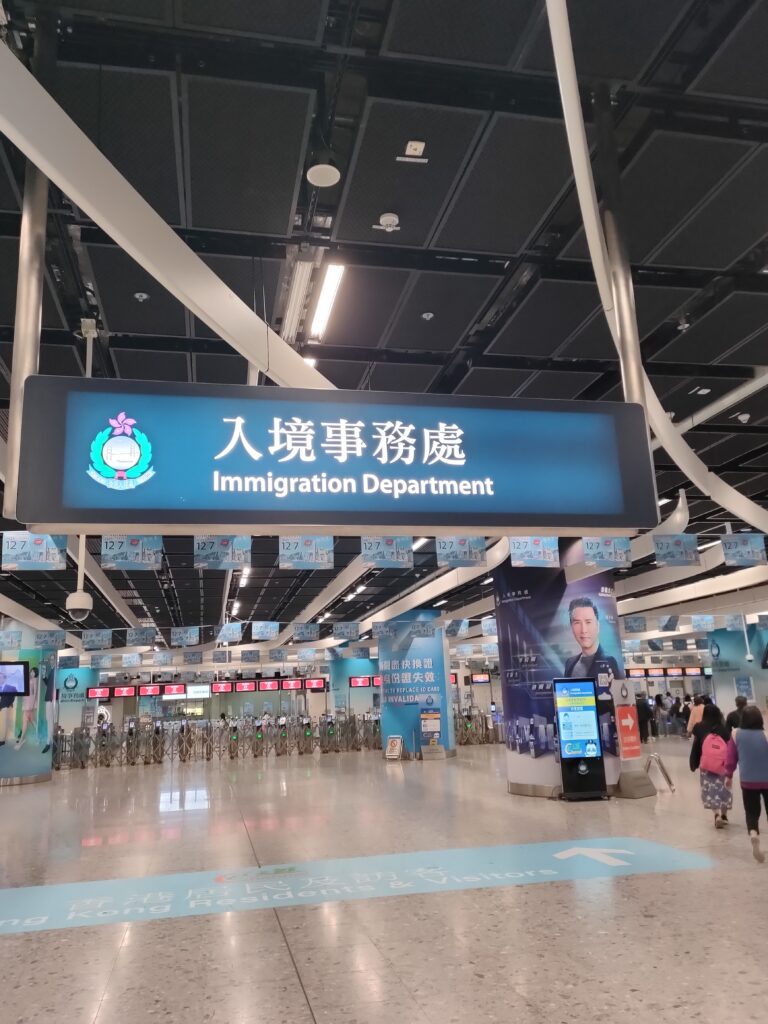
The other day I was feverish with excitement at the idea of reaching mainland China. I wanted to understand how this future-oriented world works, by getting to know the global capital of innovation itself: Shenzhen. Once a fishing town, Deng Xiaoping transformed it in 1979 into one of the Special Economic Zones meant to revolutionize the nation’s economy. He was the leader and strategist of the four pillars of the great reforms that brought China into the twenty-first century: agriculture, industry, science and technology, and the military apparatus.
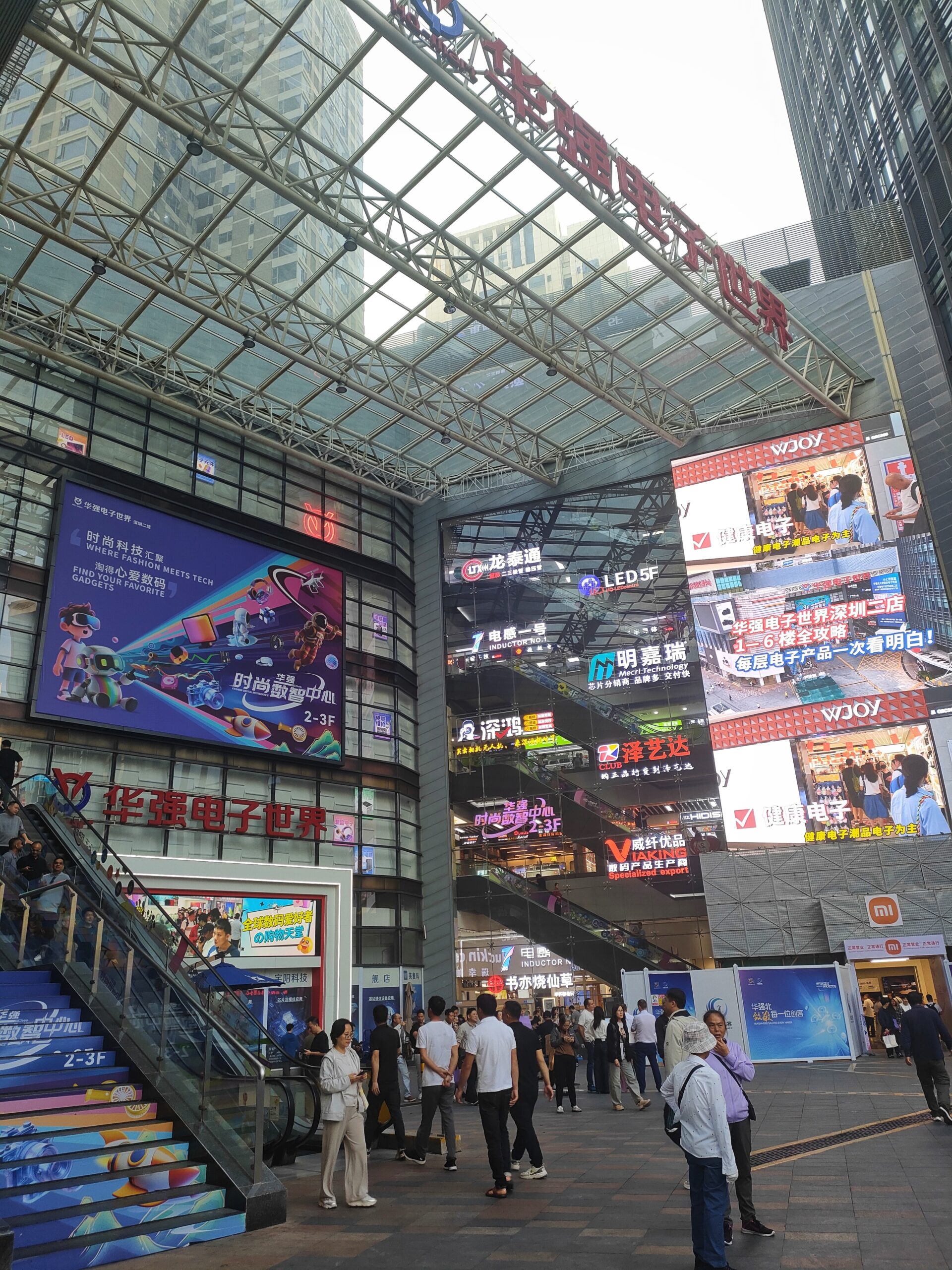
Today Shenzhen tells a much bigger story. It is home to ZTE, Xiaomi, Huawei, Tencent, BYD, and many others. Here, the world’s major tech players are testing their products in a constantly evolving smart city: big-tech super apps regulate every aspect of individuals’ lives—economic, social, and security-related. Food can be delivered by drone, 65% of carbon emissions have been reduced thanks to mass use of electric cars and scooters, there is an extremely efficient metro system, and endless solar panels. I wanted my own eyes to see what this was really about.
I had been told I needed to prepare myself to spend a few hours in China by downloading a multi-purpose tech kit, especially because I would not be traveling with a local tour operator (accredited by the government) and would not be able to fully rely on a local business partner. As if the system were not designed to welcome curious Western visitors who do not speak Chinese. I learnt it is not uncommon for locals to wonder whether these lone wandering “white” chimeras might be foreign informants.

I arrived in Shenzhen at scorching midday. The station seemed enormous, spacious, gigantic, certainly not aesthetically beautiful, the same impression I would soon have of the rest of the city. A French Gen Z kid on the train suggested I “cheat the system” with a VPN so I could connect to all Western apps and easily reach the hotel. Too bad he was wrong: VPNs don’t always work.
Tragicomic sequence of a thirty-year-old Italian woman arriving alone in mainland China
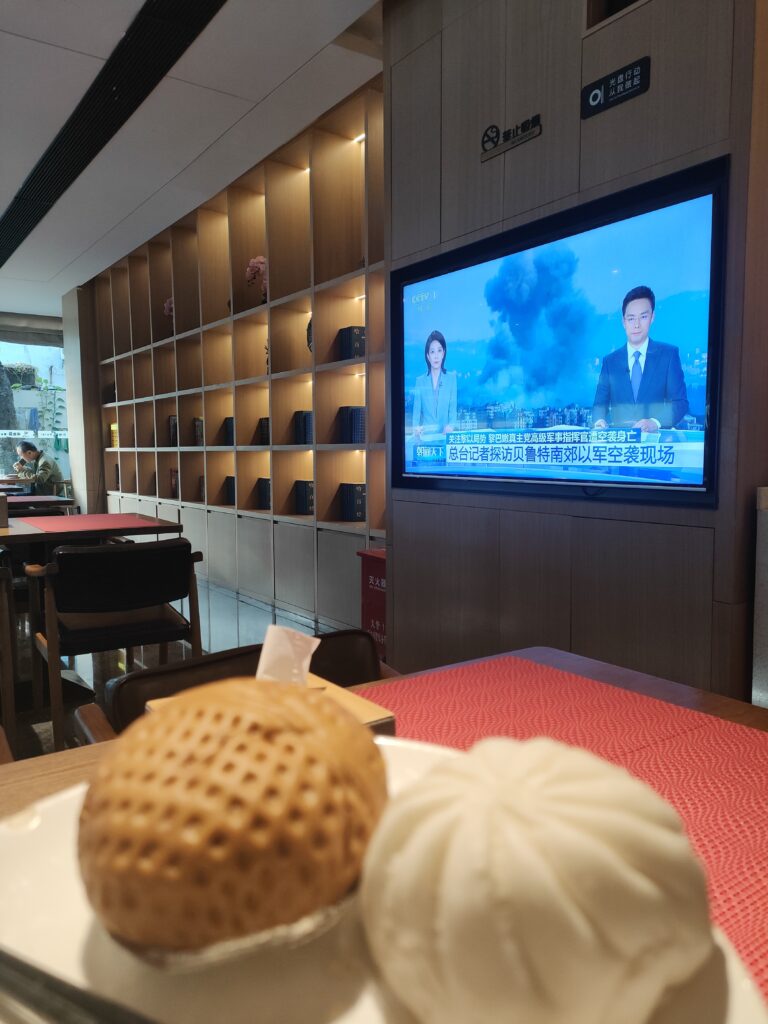
- Sit down for breakfast and understand what to begin loving in the morning: sweet and savory hot buns, warm soy milk with rice, and roasted sweet potatoes
- Commandment no. 1: buy a local SIM card, the only one compatible with WeChat China
- Pay €25 for a local SIM after bargaining down from an initial €50, negotiating for about an hour and a half through a Chinese translation app that is obviously not Google Translate
- Learn that the SIM has not activated despite the operator’s reassurances, and take a taxi to the hotel believing I can pay with WeChat Hong Kong
- Arrive at the hotel unable to pay because I have not yet validated my passport through facial recognition on WeChat China, benefiting from the kindness of the receptionist who pays the driver in advance
- Begin to live thanks to the “approval” of WeChat China
- Download AMaps instead of Google Maps, Didi instead of Uber, and a WeChat QR code with which I can pay for any existing transaction in the Chinese state
- Reach the metro, pass through metal detectors before every turnstile, and understand that another app—only in Chinese—is required for metro tap-and-go, begging a passerby to activate my user profile in Mandarin
- Pay that ride twenty cents, realizing that this mode of transport, accessible only through knowledge of Mandarin, is probably designed to be enjoyed at a socialist-friendly price by a true Chinese “citizen”
- Realize that this thought may be correct, given that literally no other Caucasian complexion occupies those neon-lit underground carriages
- Drain my phone multiple times a day due to obsessive phone use, which becomes a prosthetic of my arm, just as it is for every Chinese citizen
- Discover the business of urban chargers: if you are Chinese, you recharge at political prices; if you are a foreigner, the bill is steep
- Sit exhausted in a café, sipping a delicious mango-and-coconut bubble tea from the Hey Tea chain, and receive a complimentary slice of cake from a Chinese millennial couple who don’t speak English and notice the only Western woman in the place looking slightly lost
- Try to maintain contact with my loved ones by taking advantage of occasional network gaps, whose cause is unclear
- Flounder through city streets where everything is written in Chinese
- See my food preferences predicted on WeChat based on the route I’m walking
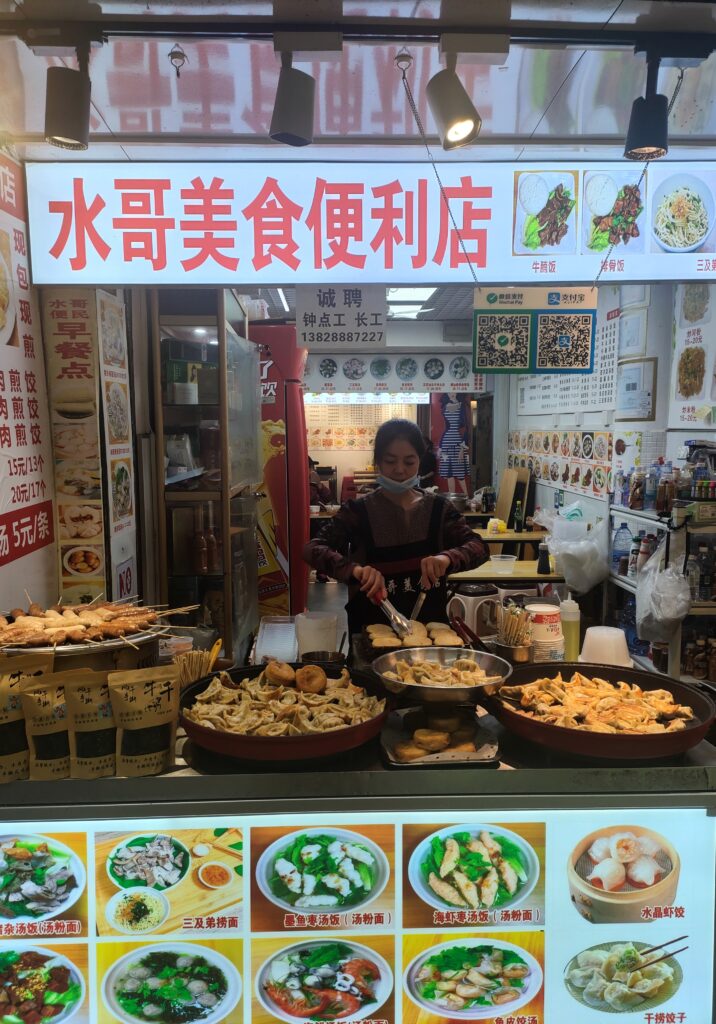
- Order my noodles on WeChat, pay for them on WeChat, accumulate discounts on WeChat for every remaining operation of my life
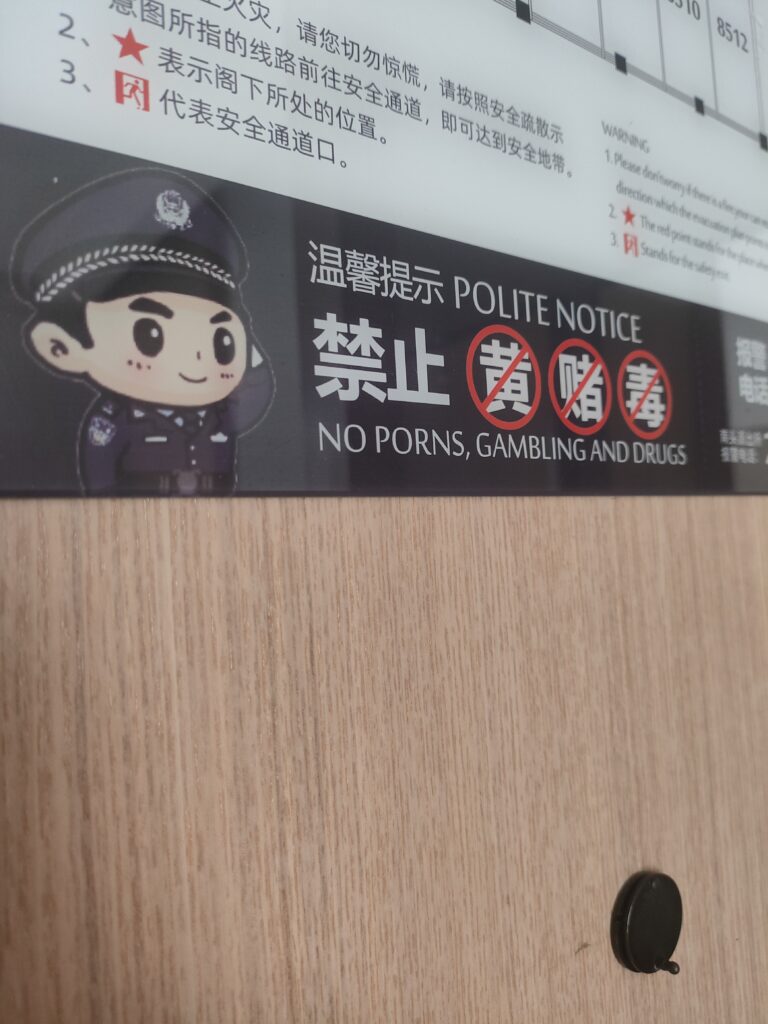
- Wink at the cameras watching me from every corner of the city, wondering whether there is one in my room as well, where a police sign reads: POLITE NOTICE, NO PORNS, GAMBLING AND DRUGS
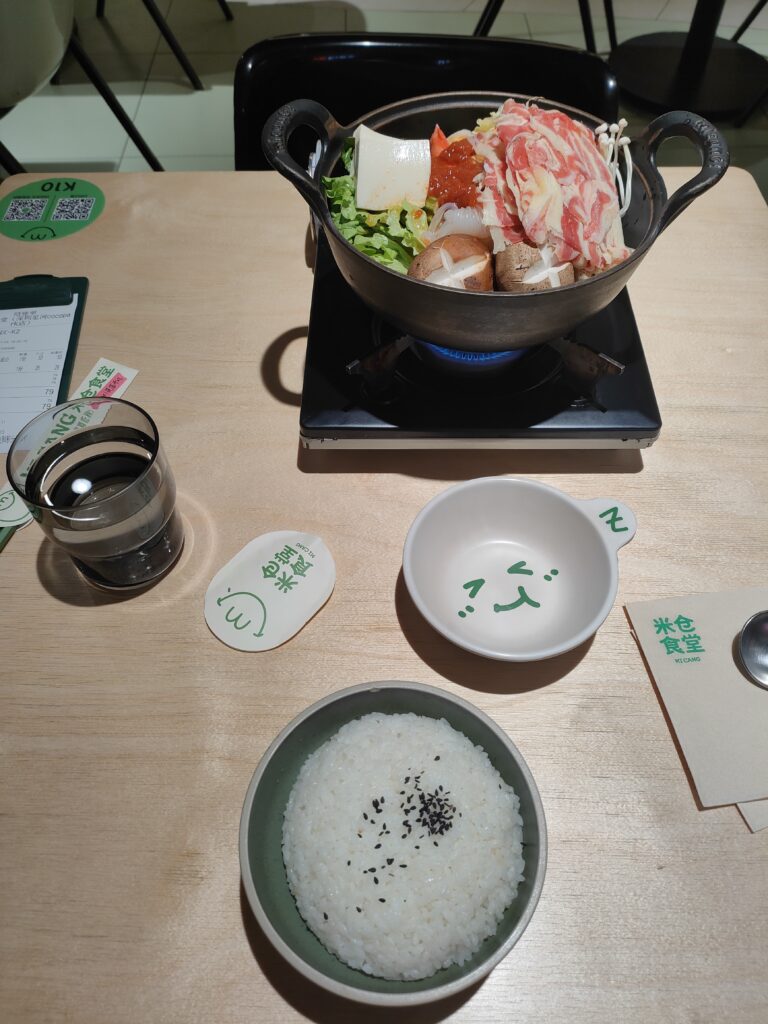
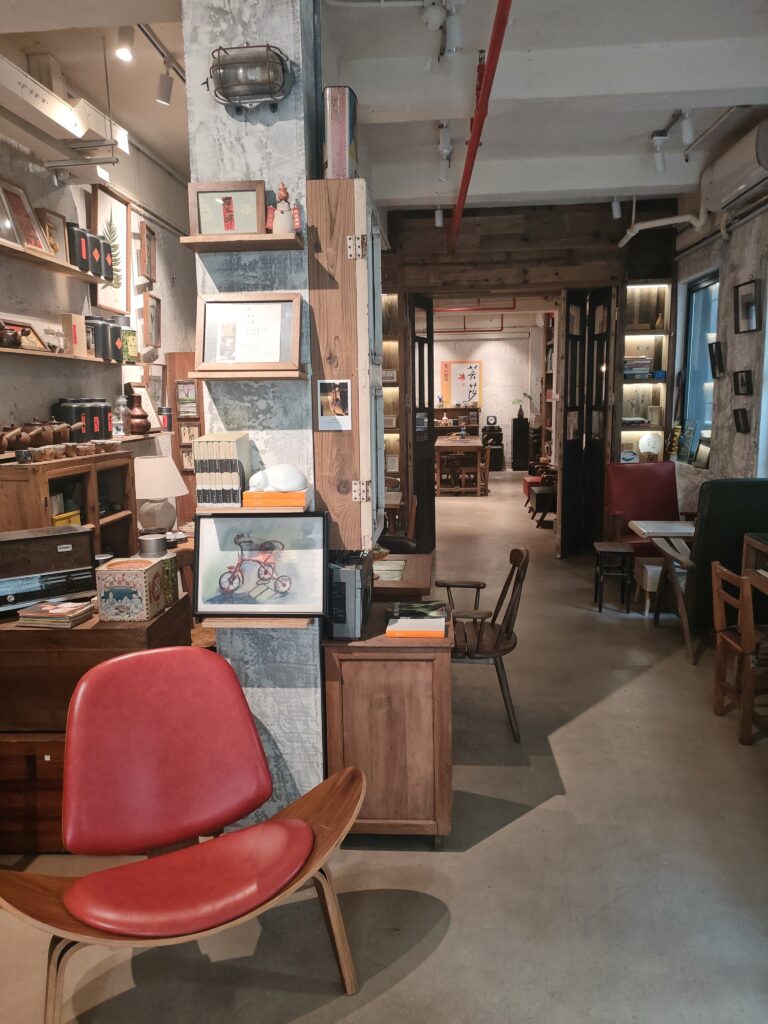
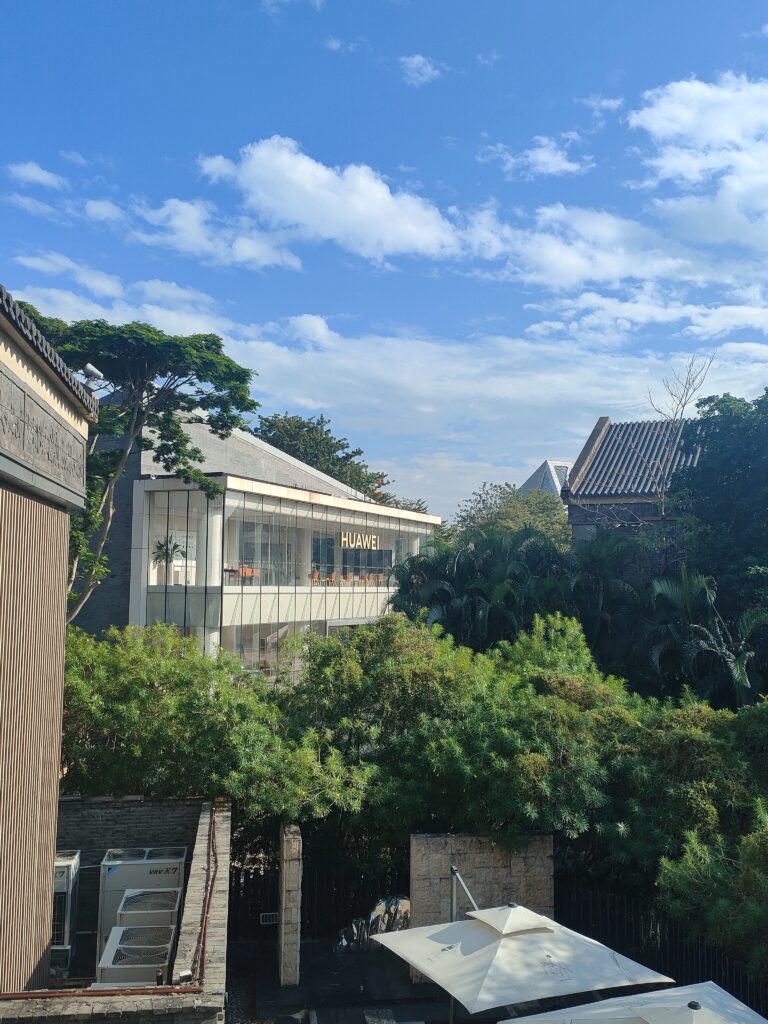
I have never understood anything about technology. I arrived in the city of tech and found accommodation in Nanshan, the so-called “Science District.” I told myself: “Try.” Wandering around Nanshan and Futian is, at first glance, a pleasant experience: long walks through tropical vegetation offering reconstructions dating back to 1394 of the ancient city of Nantou; urban-chic spaces like OCT Loft, a meeting point for design, fashion, and cutting-edge coffee roasteries, all made in China; OCT Harbour, a seaside compound where a recreated Chinese garden hosts tech-giant showrooms and dining for social life; the Upper Hills commercial complex—clearly inspired by Emirati architecture—just steps from the “lungs of Shenzhen,” Lianhuashan Park; Coco Park, a hyper-popular mall glittering with lights, invaded on weekends by Hong Kong residents hunting for better prices. For the curious, there is also Window of the World, a theme park reproducing the world’s most famous cities—much like Huawei’s campus built in the image of the University of Bruges just outside Shenzhen.
What’s wrong with building gigantic, functional, copy-pasted structures at unstoppable speed, with no aesthetic ambition? What matters is that the environment be grand, efficient, standardized, connected, controlled—able to offer anything a Chinese citizen might want to find in the world. Almost as if, in the end, there should be no need to discover that world at all..
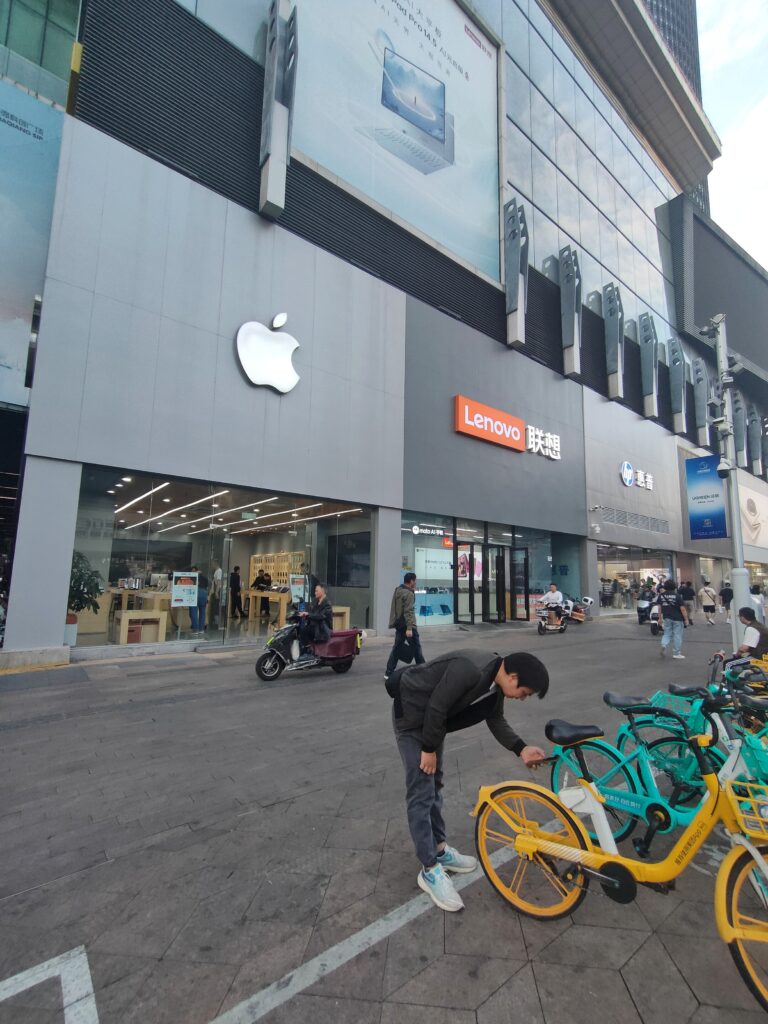
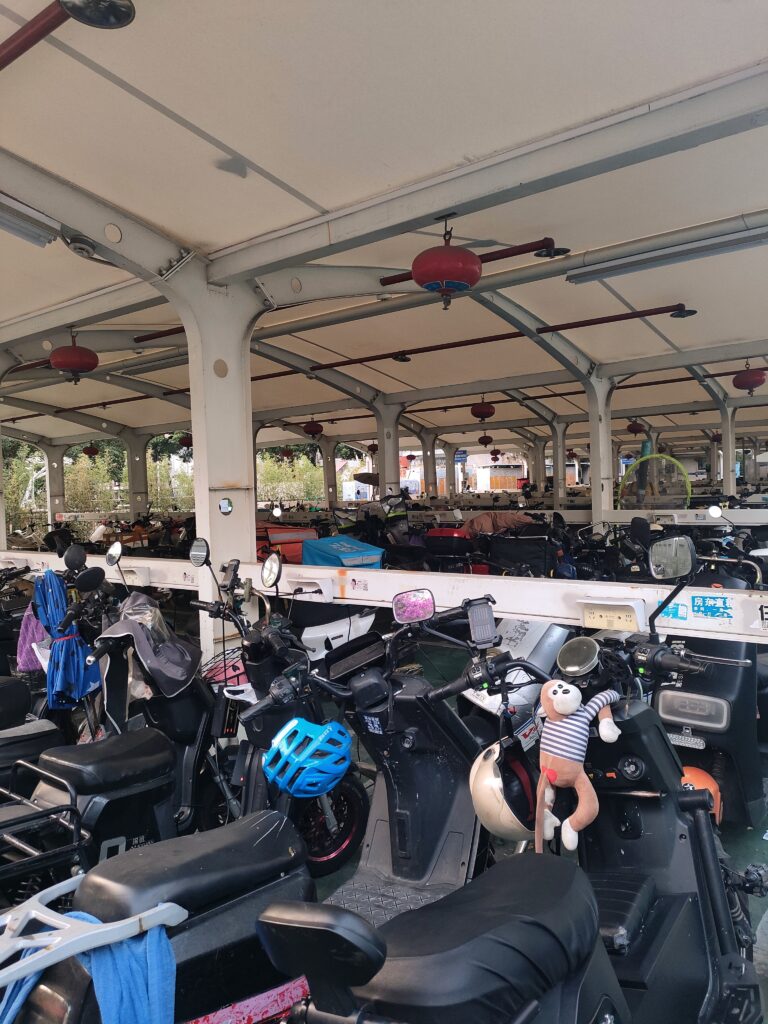
It’s enough to go to the Huaqiangbei district to stumble upon the Chinese Silicon Valley. I walked through the SEG Electronic Market, one of the largest in the world for components, gadgets, and tech products from Chinese and international brands—the true nerve center of Shenzhen’s ecosystem. A uniform pour of concrete where electric scooters race silently between giant malls containing niches, aisles, pallets, and semiconductors of every kind—of which I understand absolutely nothing.
To grasp the global competition orbiting around semiconductors, the gold rush of artificial intelligence, the dream of a future that completes the replacement of human beings in favor of the supermachine, I visited the Shenzhen Museum of the Future in Guangming, designed by Zaha Hadid. I reached it via the usual neon-lit metro, where a girl offered me her power bank as a sign of friendship. A poetic contemporary story of a friendship born through gestures, around a power bank.
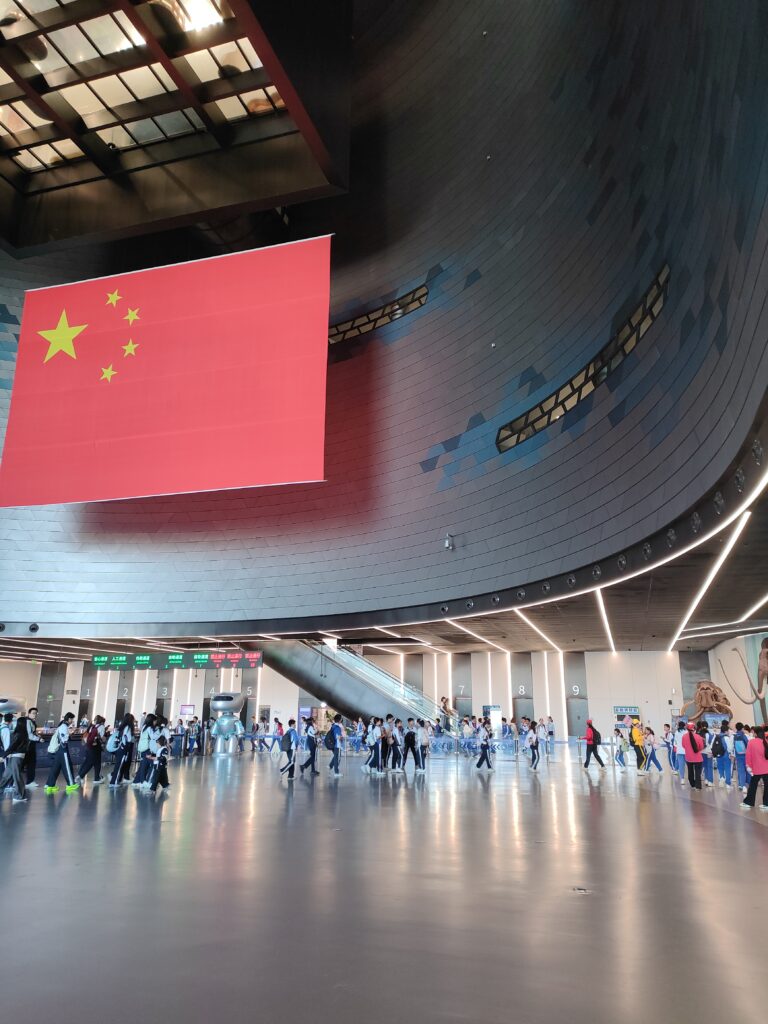
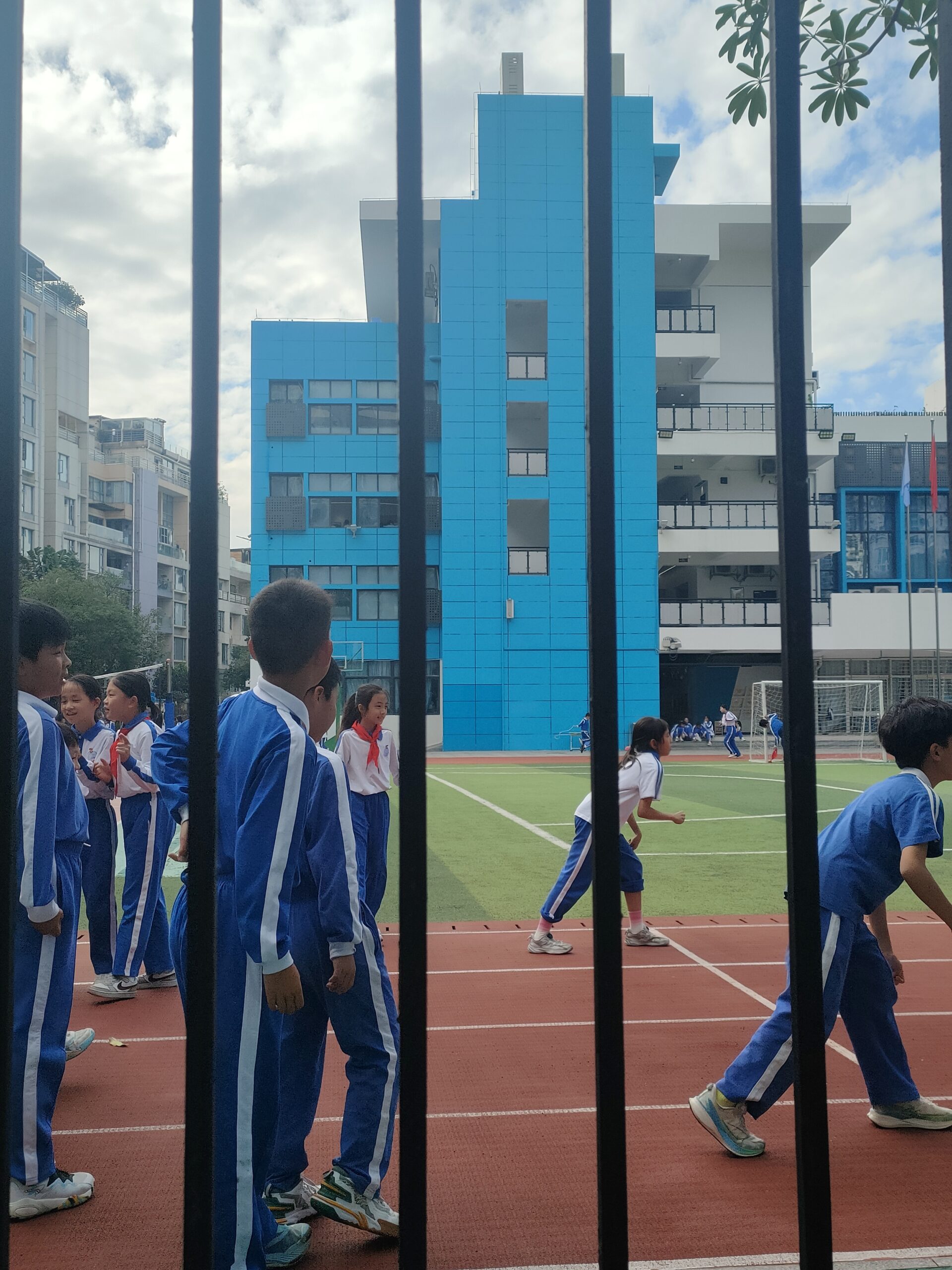
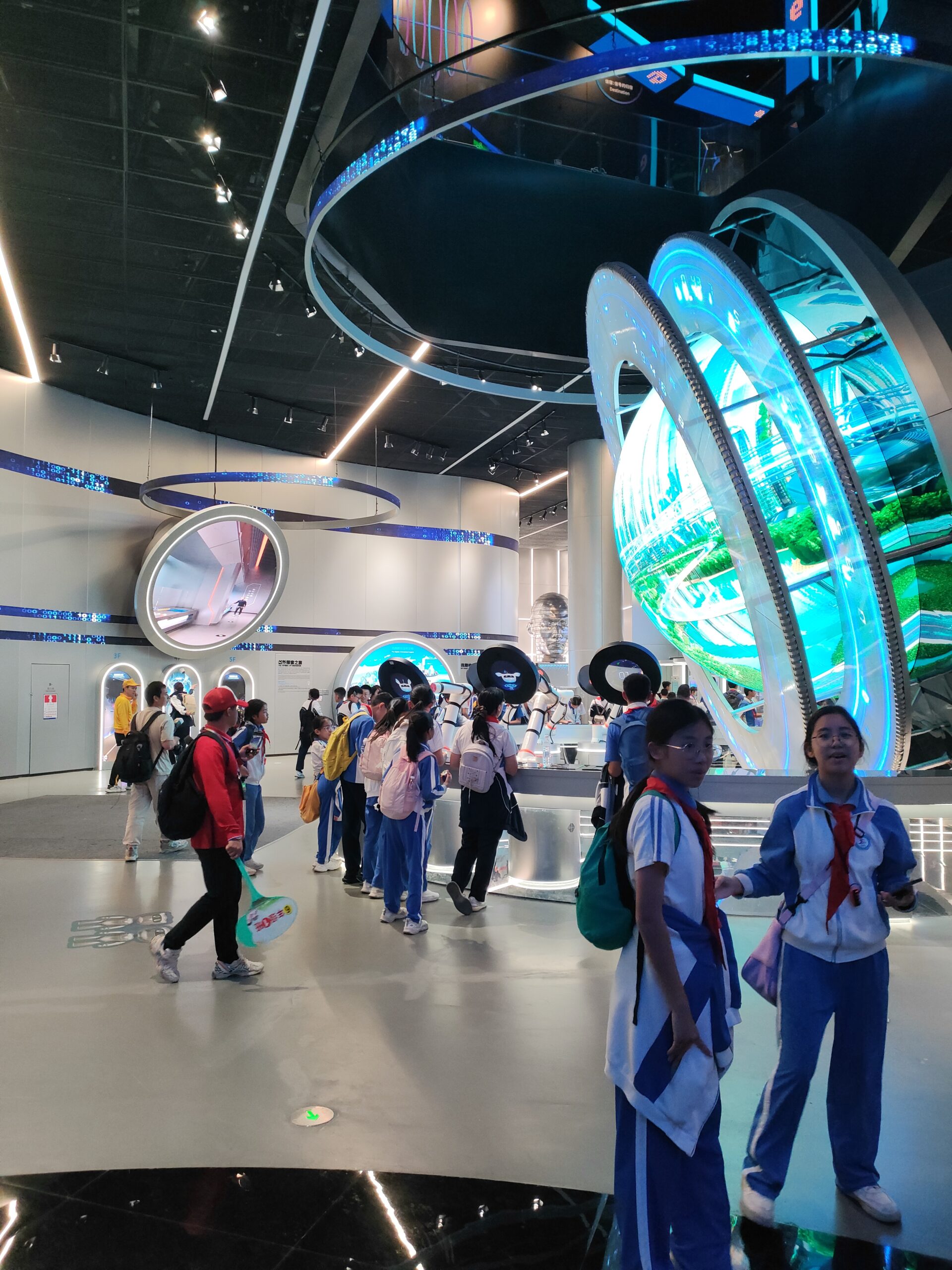
A massive Chinese flag dominated the interior of this imposing, futuristic building. School groups in uniform looked like tiny dots when measured against that blazing red banner. Children’s uniforms are identical in all Shenzhen schools—light blue and white. The day before, I had observed an elementary school even in downtown, noting a particular passion for physical activity, especially jump rope in the courtyard. Chinese children are the only ones I can communicate with in English. I follow them through the museum, observing what they linger on, what attracts them. Since the museum is largely interactive, I occasionally notice the compulsion and readiness with which they respond to screen stimuli.
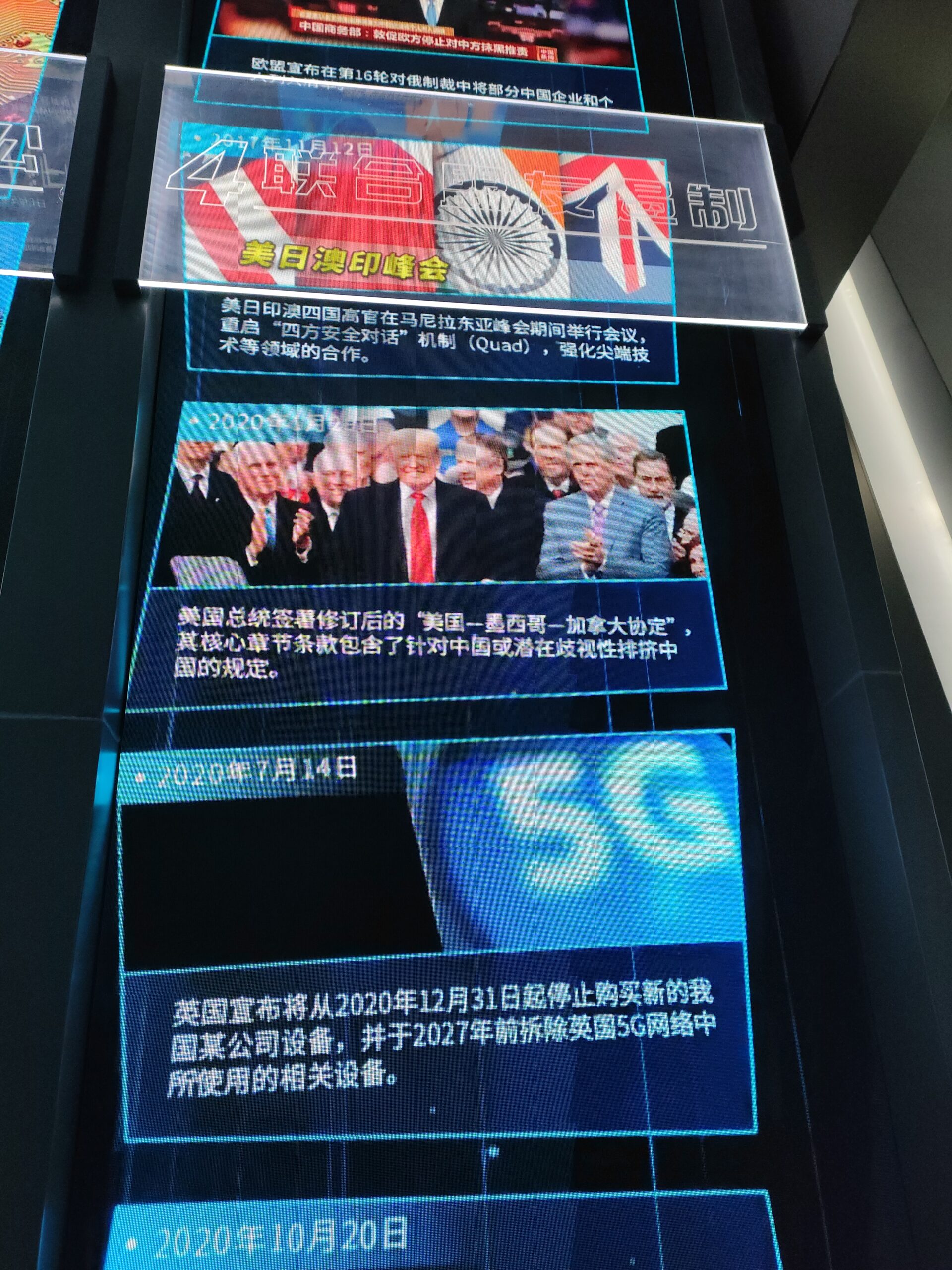
At the entrance to the Museum of the Future exhibition space, a sign welcomed me:
Immerse yourself in the intelligent lifestyles shaped by the digital revolution, discover the endless possibilities of industrial innovation, and explore a shared future where humanity and technology create wonders together.
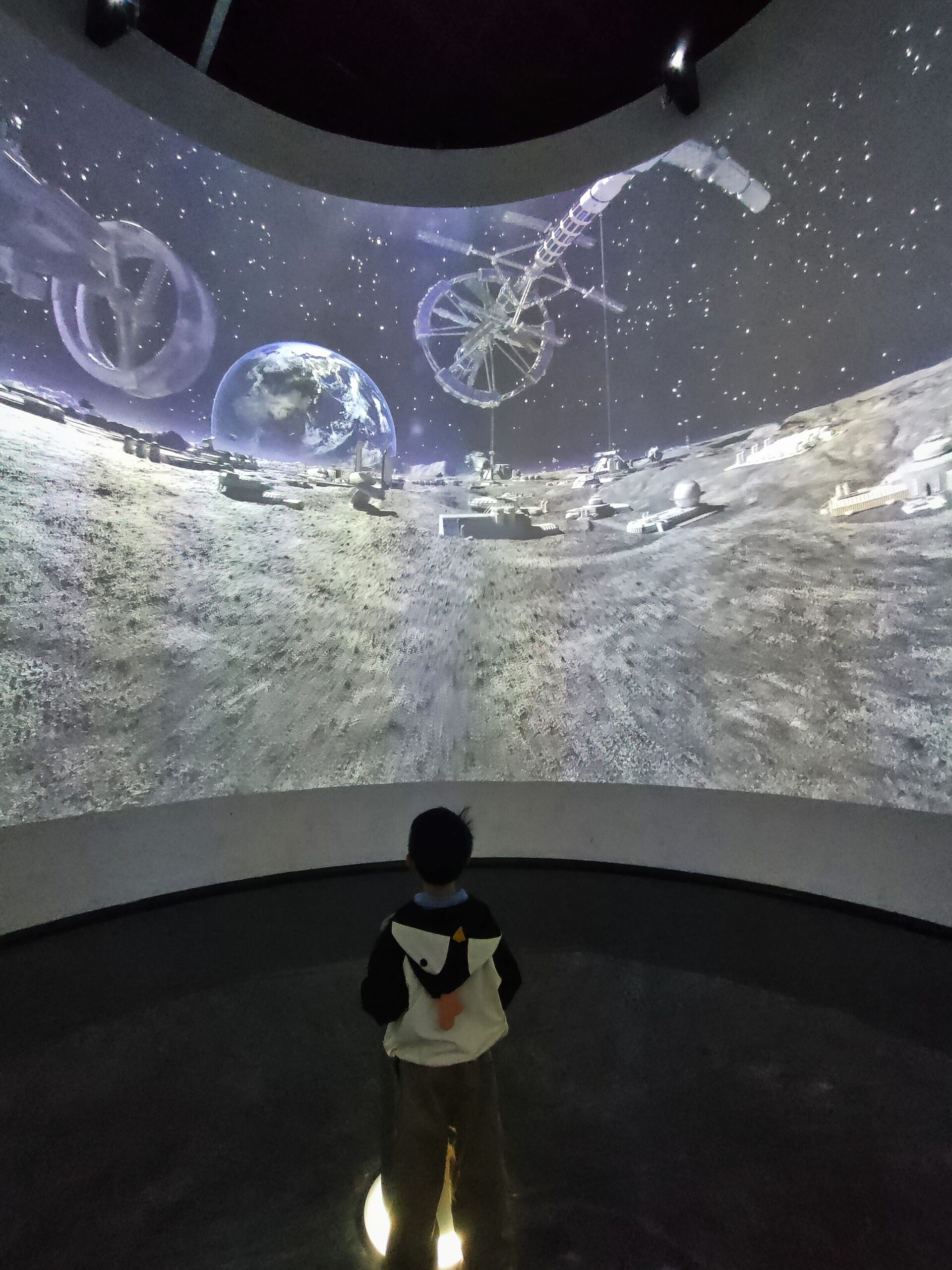
It is an immense display of Shenzhen’s and China’s technological ambition, encompassing art, science, and immersive experiences that guide the visitor into the metaverse, digital life, and the core of what is defined as the true power that will revolutionize the future of human life: artificial intelligence.
Will the protagonist of the future be humans or digital beings? The future is in your hands!
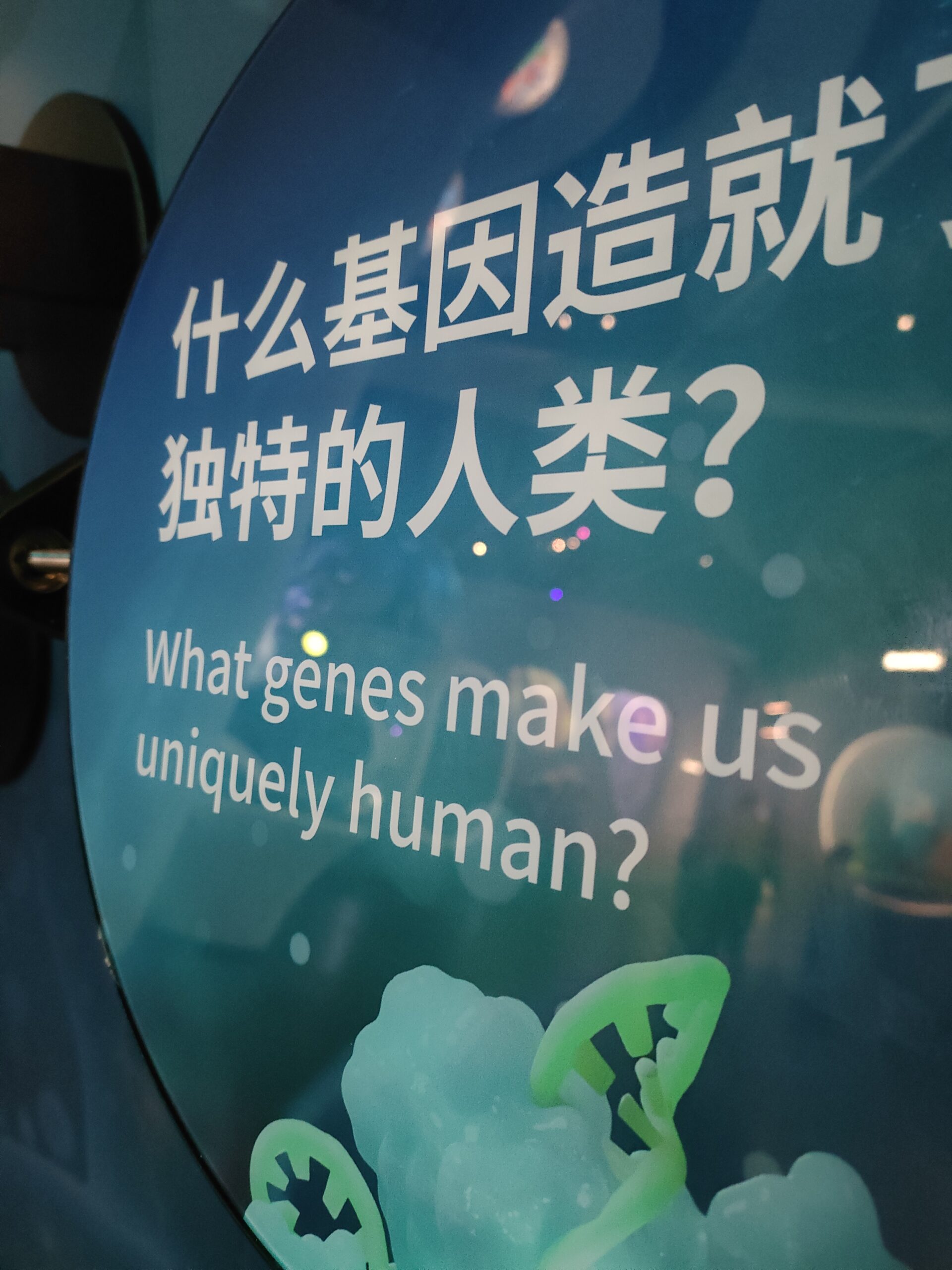
What genes make us uniquely human?
If genetics could eradicate mosquitoes and save 500,000 lives, would you consider this “human intervention in nature” or “humanitarian rescue”?
If genetic testing could predict children’s innate inclinations (e.g., music, maths), should parents plan their educational paths based on the results?
These quotations are just a few of the excerpts that captured my interest, guiding me to understand the questions China is asking itself in 2026. An entire section is dedicated to human genetics, with a precise focus on the “literature gap”: we know almost everything about genetics, we just need to determine which specific gene makes us human. Which one? Which one?!!
China asks whether one day it might intervene in human genetic sequences, amplifying talents, asking the visitor: what would you think if one day the world were populated by supermen?
Supermen in smart and intelligent cities where people stop driving, are assisted in transactions and processes, replaced and optimized by an unstoppable superior intelligence. The concept of the Self is overtaken by something more powerful and performant; emotions and the hand of the artist are surpassed by a fast and faithful algorithm capable of reproducing and perfecting any work of art. (But why must art be perfect?..I mumble)
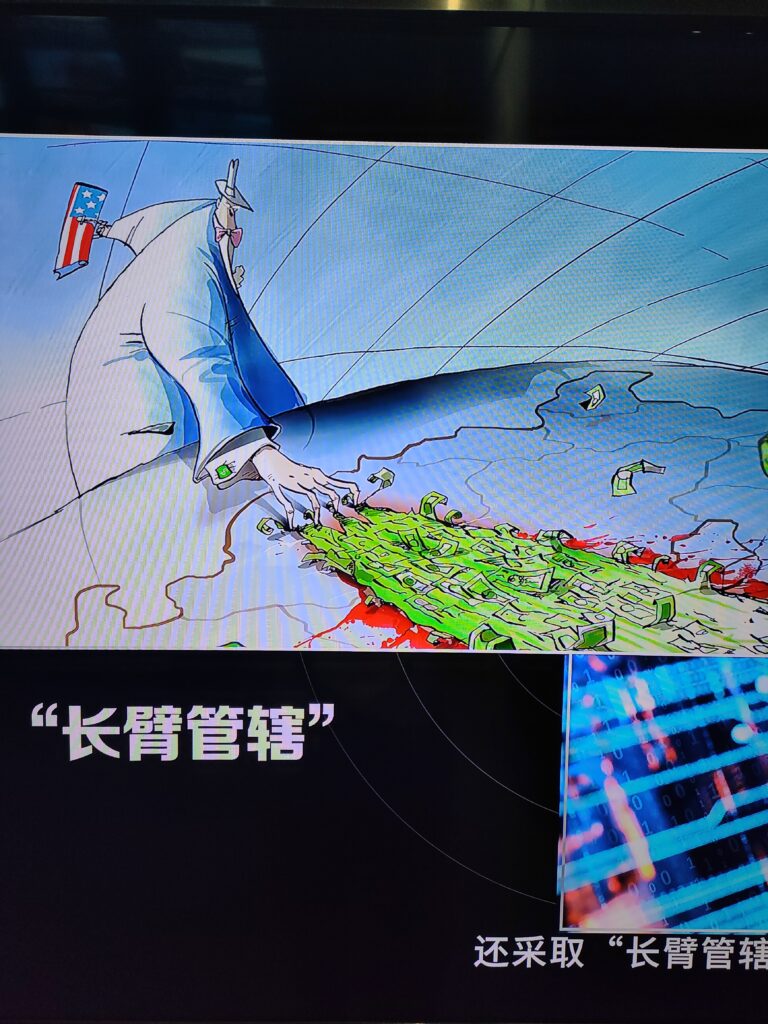
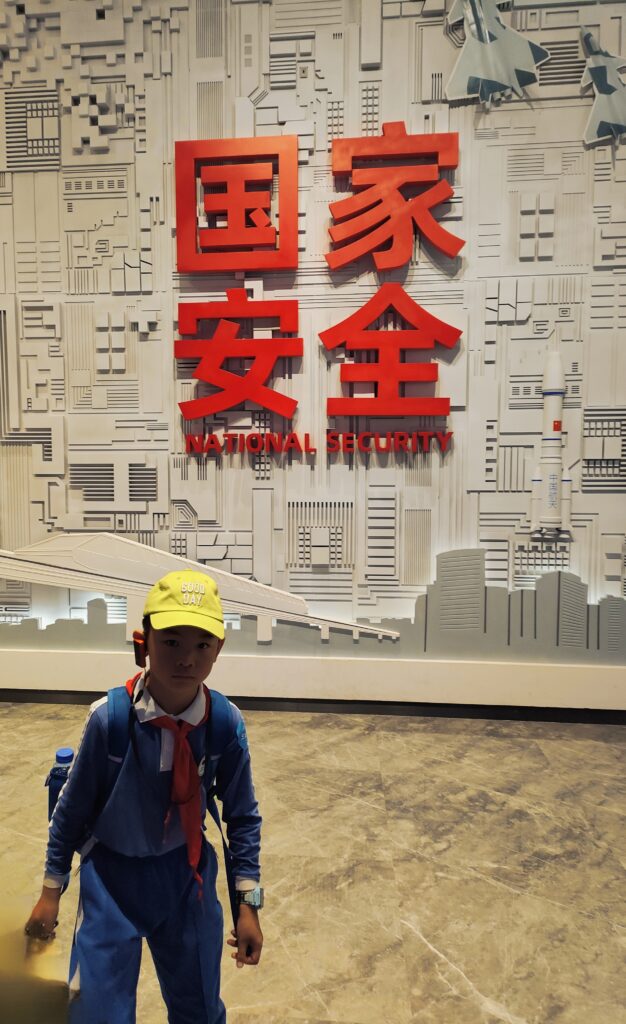
Home automation, medicine, space engineering, resource exploitation—everything is set to project us into the new world. Everything seems simpler. I visited last the room reserved for National Security, written only in Mandarin, filled with data on Chinese growth compared to global competitors, caricatures of American presidents, illustrated anti-imperialist insinuations. Finally, in the last room, the “conclusions” were also presented in English.
Sci-tech self-reliance and self-strengthening is the foundation of national strength and a critical element of security. As we embark on the new journey of building a modern socialist county in all respects, we must remain committed to the overarching priorities of the nation, take the lead and set the example by upholding the pioneering spirit of the Shenzen Special Economic Zone. We are determined to lead the way in the historic mission of advancing progress along the Chinese path to modernization, making new and greater contributions to achieving sci-tech and self-reliance and self-strengthening at higher levels for the nation.
Security, strength, a messianic mission to advance progress. Security and prevention of chaos, they write. The Chinese have experienced profound moments of chaos throughout their history; they want to rise again from the century of humiliation that began with European colonial invasions. They intend to prevent poverty, hunger, and famine from returning to their lives. To do this, they must annihilate chaos, control citizens’ lives, know their thoughts, guide their emotions, possess their security. Thus the Chinese will be united, strong, great.
I have always loved order as much as chaos. The Ancient boys said chaos was the primordial stage of creation; Nietzsche claimed one must have chaos within to give birth to a dancing star. I have fiercely wanted the things I have built so far, but I have also realized that they originated from a fortuitous, imperfect, and magnificent… chaos. Chaos as an act of freedom, as an unpredictable, fallible, demiurgic force.
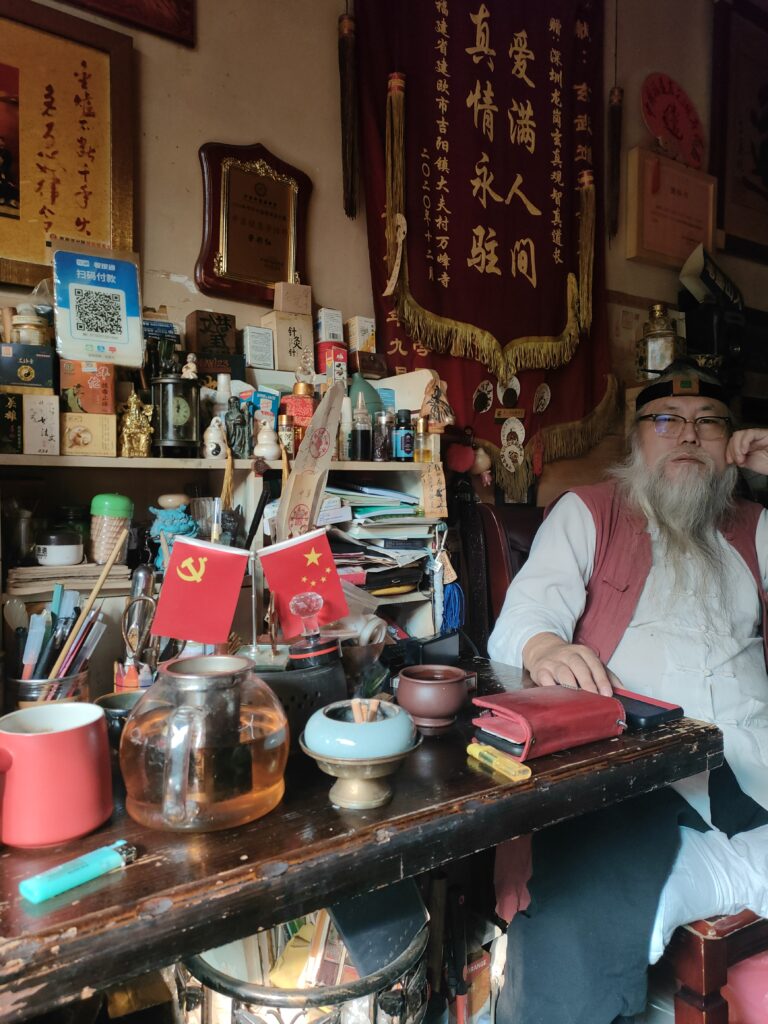
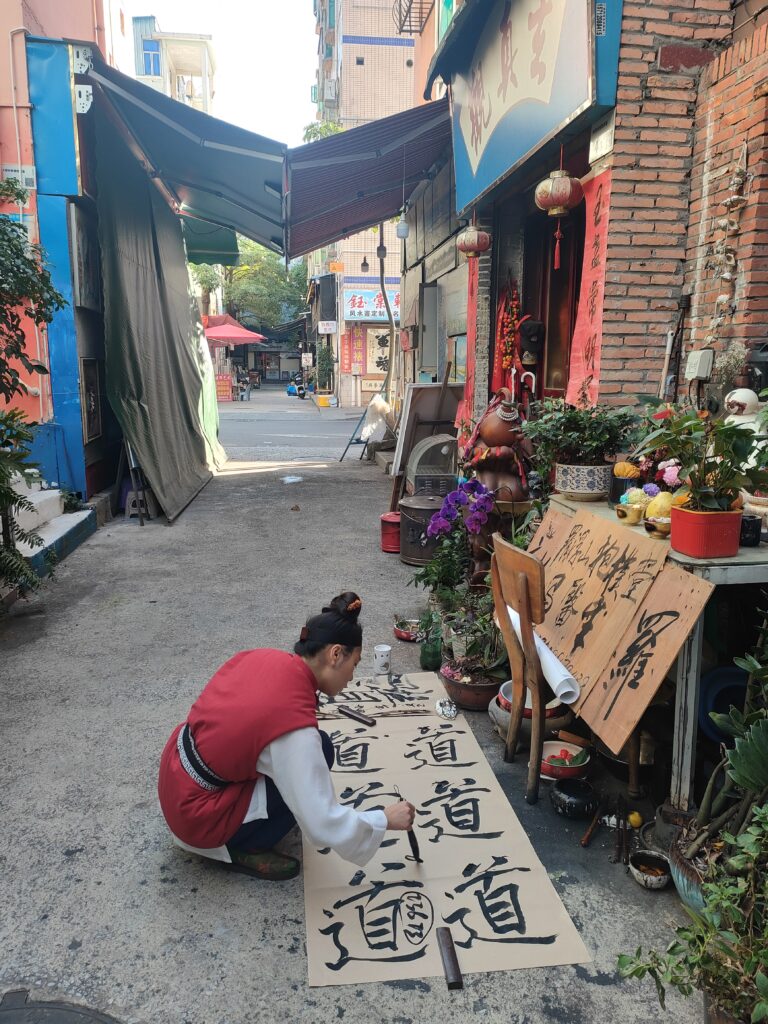
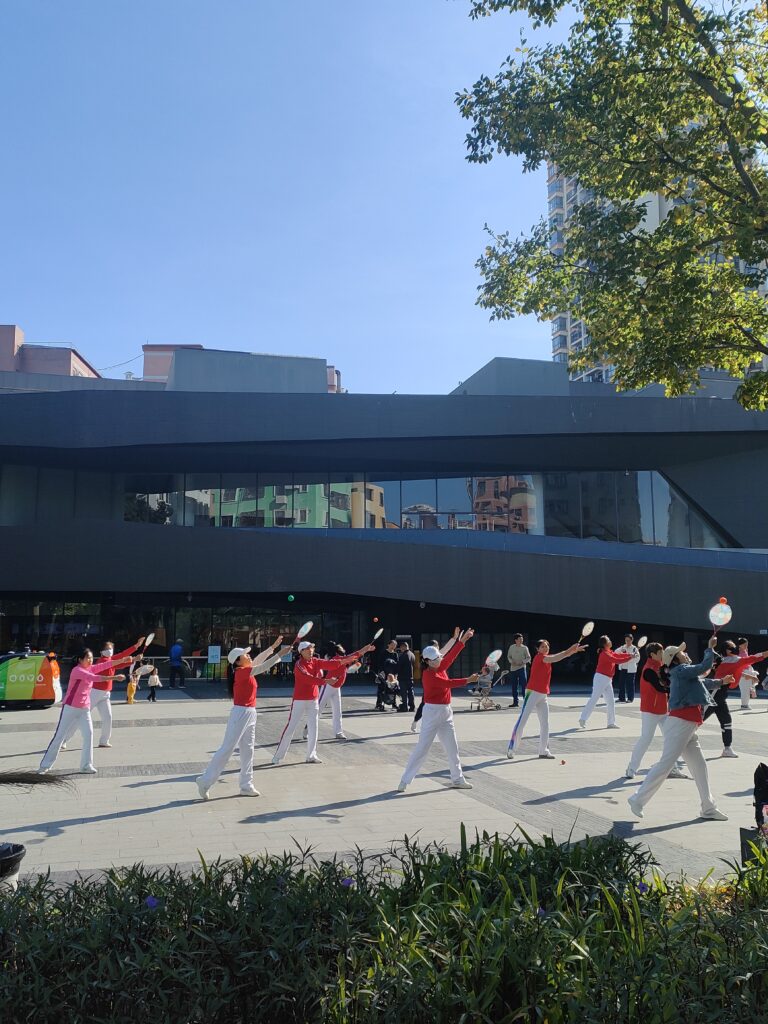
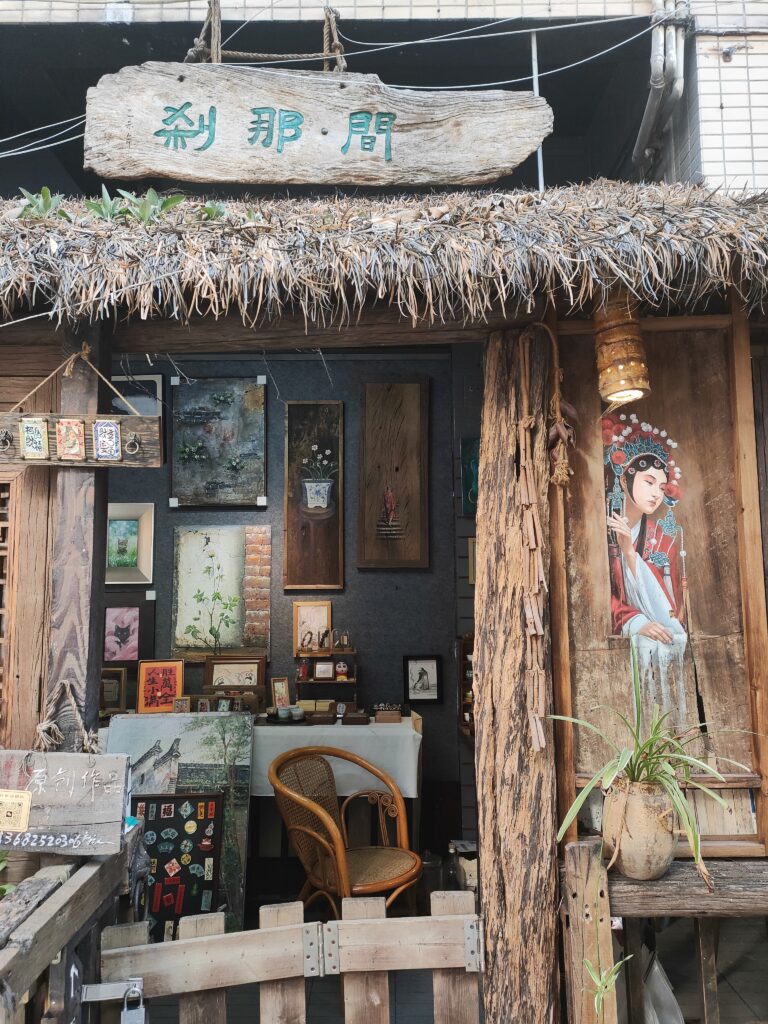
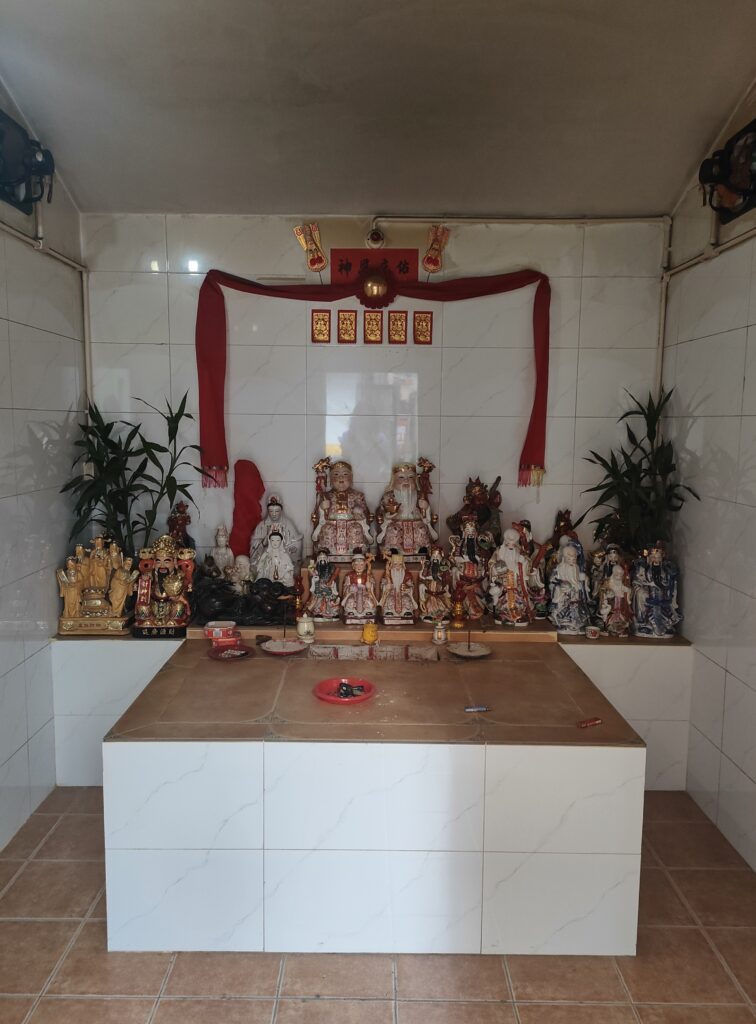
I glimpsed a trace of chaos in this hyper-planned society at Dafen Oil Painting Village. I arrived early in the morning, encountering a serene wave of women practicing tai chi. Beside them, the first shops were setting out their traditional crafts, before the stores of Western painting reproductions drew a buzz. In an alley resembling a Venetian calle, a young woman silently painted Tao letters on a paper scroll. A Taoist monk and two men invited me for tea and a cigarette. Through gestures, they explained that the woman had become pregnant thanks to the monk’s magic. They lit a lantern and incense in front of me to celebrate the event, before wishing me good luck as we parted. A shamanic, mystical scene that I encountered again that evening upon returning to Nanshan, along tree-lined streets scented with summer despite it being November.
In my neighborhood, tropical fruit markets teemed with greedy durian thieves, while at the corner of my hotel, families gathered under a canopy to share a long table with an enormous roasted duck and extended sessions of the slow tea ritual. At the reception desk, I found the same girl who had welcomed me on the first day; after taking a photo of us on WeChat to send to her boyfriend, she insisted on sharing a cup of tea together.
From what little I observed of China, I glimpsed still-slow, measured, friendly movements; traditions that do not want to cease to exist; a spirituality and a respect for the foreigner, ancestors, and the past that I hope will manage to preserve the millennia-old beauty of a country that does not deserve to be formatted, molded, and directed by an ideology, but rather by the concept of harmony that I learned from the Tao.
…Seven minutes have passed since the departure of the Shenzhen–Kowloon train, what I will call the 1984 tunnel. The Great Firewall is defeated; I can reclaim my right to search, see, think, perhaps make mistakes, by accessing my server. My Chinese SIM ceases to exist; I must return to the Hong Kong one. I am no longer a QR code. I can pay with Revolut, call whoever I want at any moment, live in a language I know.
I put on this song
…
Birds flying high, you know how I feel
Sun in the sky, you know how I feel
Breeze driftin’ on by, you know how I feel
It’s a new dawn
It’s a new day
It’s a new life for me, yeah
It’s a new dawn
It’s a new day
It’s a new life for me, ooh
And I’m feeling good
Oh, freedom is mine
And I know how I feel
It’s a new dawn, it’s a new day, it’s a new life for me, ooh. I hum it in my mind.
November 24 is an ordinary day, a day on which, as I said, there is not even the shadow of an anniversary. I will always remember it as the day I truly embraced my freedom again, after feeling an oppressive and all-encompassing control coursing through my veins. I rediscovered the power of chaos, the extraordinariness of being able to choose even small things, of being able to generate imperfect and dysfunctional beauty or designs, of experiencing myself as an individual, of thinking out loud.
Cogito… ergo sum—the foundation of my roots, and of those of an entire continent. Having known, I will now always be able to choose, resist, and defend the privilege I have benefited from, and the adorably clumsy model we have built. Having known, I can now spread the understanding of how ideology is the murderer of ideas, how the general can overpower the particular. Having known, I now know—without any hesitation—what I want for myself, and what I will never accept.
I am moved; I have arrived in Hong Kong. Tonight I will devour some dim sum in the chaotic district of Mongkok. It will be a chaos I will love, and that I hope will endure for a long time in this heroic city.
Thank you to all the new Chinese friends who helped me with dedication when I was alone in Shenzhen. I root for them, and for our peoples to live in peace and harmony.
Yours,
C, no longer QR code Claoudiaki.



There was one intrinsic anniversary that should have been celebrated instead but happened to be forgotten to take place in Hong Kong, which must be ignited under consideration to be remembered and even come to life soon.