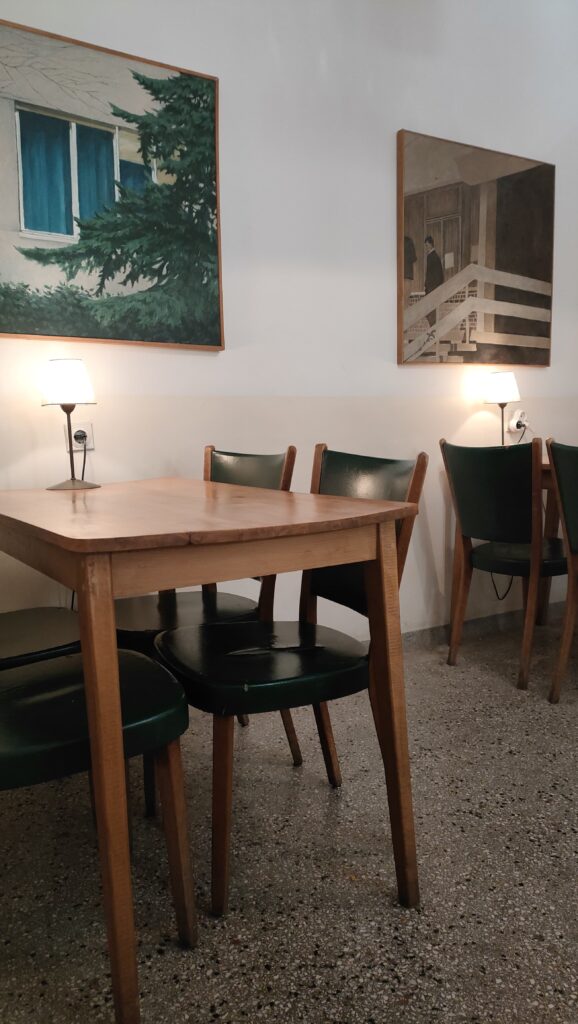
I wildly park with my hazard lights on. It’s pouring rain. I get soaked just to order a takeaway coffee at Fabrik, Podgorica (Montenegro), before the long journey that will take me back to Pristina through the mountains and forests of the Balkans.
“Is that your car?” asks a pensive-looking local millennial, smoking a hand-rolled cigarette and staring at my Skoda.
“Yes, why?”
“What are you doing with a Kosovar car?”
The story of my last three days.
Before leaving on my mission, I had carried out the usual preemptive checks to gather the necessary safety information. I emailed the Italian Embassy to make sure that border controls between Kosovo, Albania, and Montenegro were running smoothly. “Take the road to Shkodër, it’s simple, fast, and easy.” Just as my Croatian agent T had advised me, although he added, “The embassy says rules, but a girl alone at the border in the Balkans never knows what will happen, Clavdia, be careful.” To leave Kosovo, I would only need a certain “green card” once I was driving. Or at least that’s what the Embassy wrote that it would be enough.
Identikit of a country: Kosovo. Unilateral declaration of independence: 2008. Recognized by 106 of the 193 United Nations member states, with some notable absentees such as Serbia, Spain, and Greece. Effectiveness? Still uncertain, defense forces and foreign affairs are still contracted out to the cocktail of gentlemen I spy on the Vienna-Pristina flight: attachés, OSCE staff, NATO military personnel, United Nations officials.
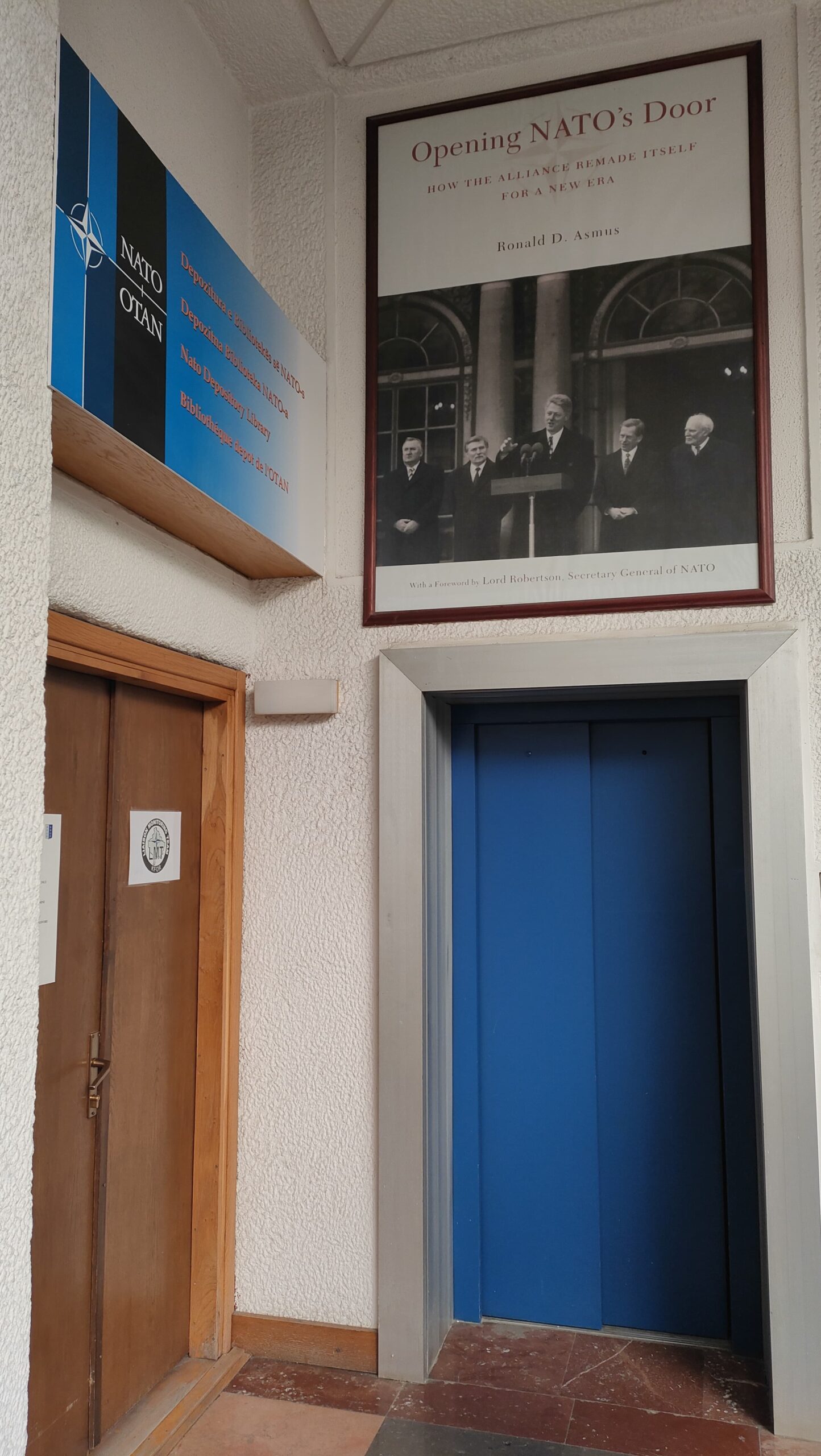
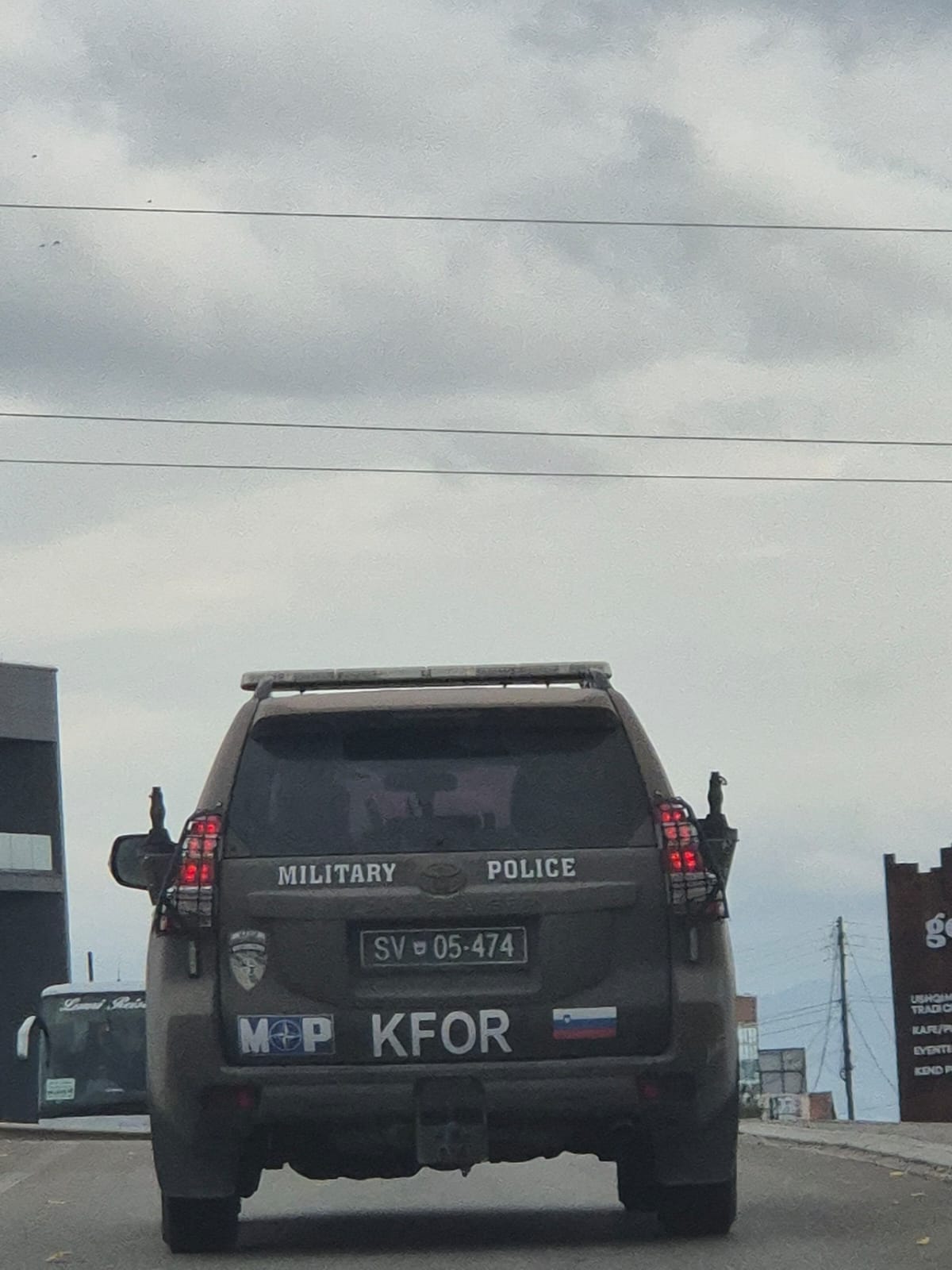
On a random Wednesday, I find myself at the Mercure hotel in Pristina having breakfast with some Scots in camouflage uniforms. I am staying next to the KFOR base, established in Kosovo on June 12, 1999, under a United Nations mandate, two days after the adoption of Resolution 1244 by the Security Council. “What are you doing at KFOR?” asks me C, a friend who works for NATO. “Even I, who have been working for the Alliance for thirteen years, have never been there. It’s a remote location. I don’t believe you’re there just to sell products. You’re fishy.”
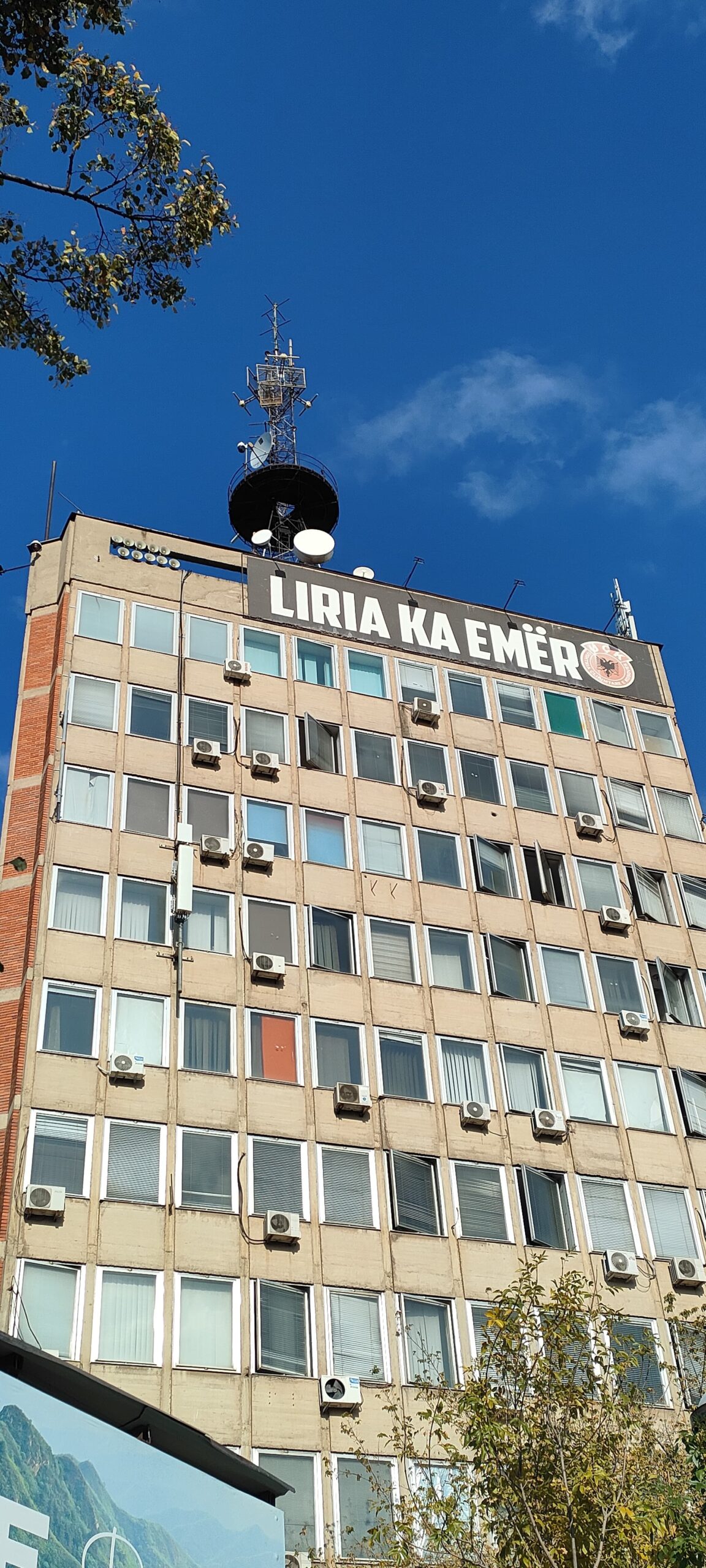
At the time of Resolution 1244, Kosovo was facing a serious humanitarian crisis, with daily clashes between the military forces of the self-proclaimed Federal Republic of Yugoslavia and the paramilitary forces of the Ushtria Çlirimtare e Kosovës (UCK) (Kosovo Liberation Army, listed by the US Congress as an international terrorist group). Slobodan Milosevic’s reluctancy to sign the Rambouillet Accords resulted in NATO to unilaterally bomb Belgrade, triggering a bloody war that inflamed tensions between ethnic groups and led to nearly a million refugees. The KFOR mission, consisting of 27 contributing nations under Italian command, was created to protect the civilian population and demilitarize the UCK, accused of organ trafficking, mistreatment, detention, and murder of Serbs, Albanians, and collaborators of the pacifist Kosovar Prime Minister Ibrahim Rugova.
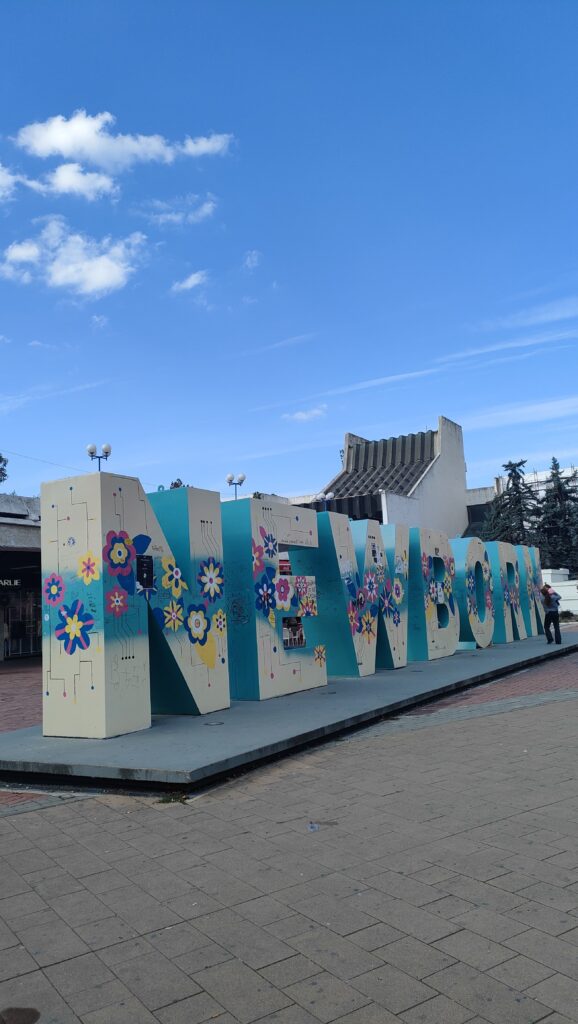
Of course, Ardien, a 35-year-old entrepreneur, tells me on the sidelines of a meeting in the suburbs of Pristina, “Serbs set fire to all of Pristina back then. But now Pristina is a very nice city! Top nightlife, young population, one and a half million people in all of Kosovo!” In November 2020, Hashim Thaci, former leader of the KLA, national hero, the Gjarpëri (Snake), his nom de guerre, resigned as president of Kosovo. He was the same man who read the declaration of independence from Serbia on February 17, 2008, becoming one of the symbols of the Newborn state. The epilogue of his political career was followed by his arrest warrant by the Hague Tribunal with the accusation of war crimes and crimes against humanity. A new chapter in the history of the Balkans, for which the squares of Tirana are filling up these days. Symbols, leaders, and ambiguous borders that mount the dilemma of Kosovar sovereignty.
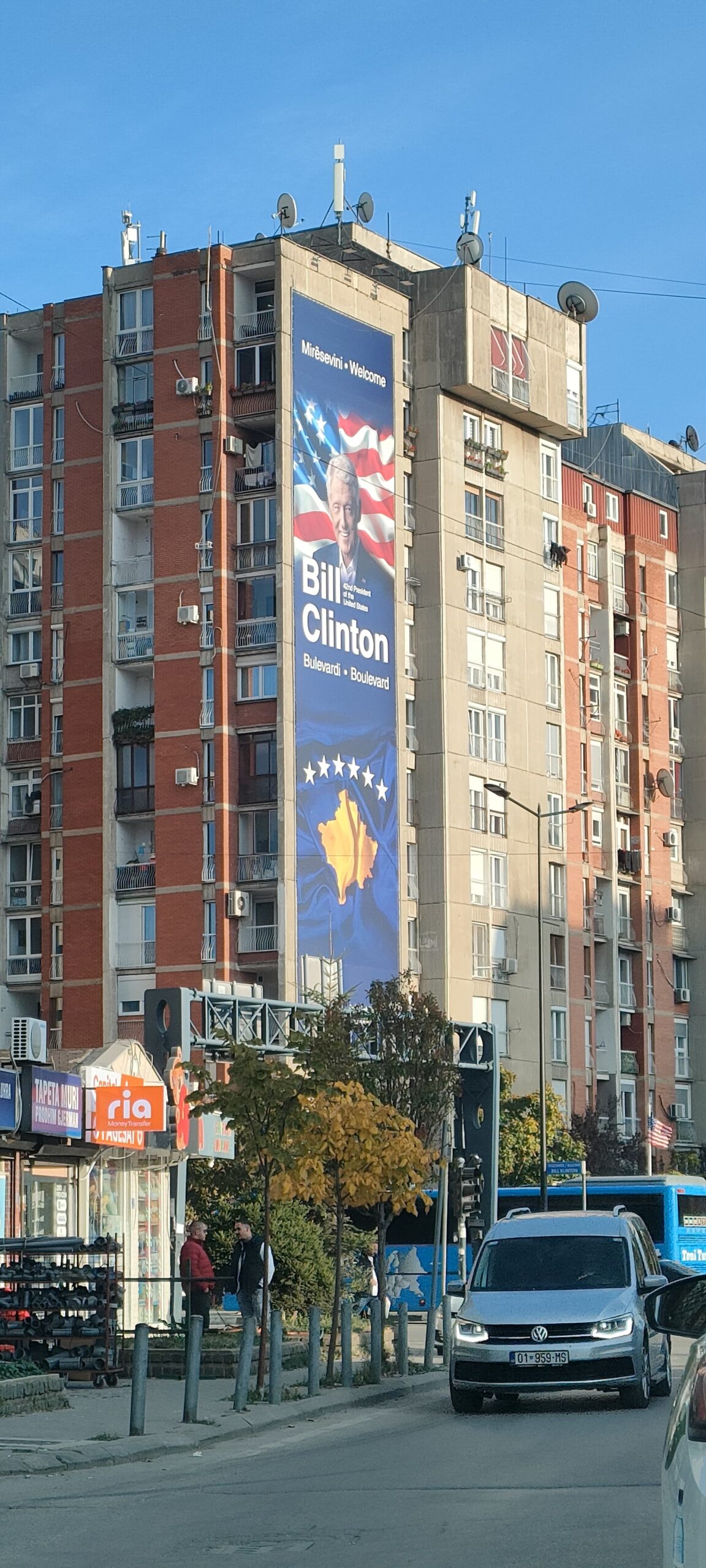
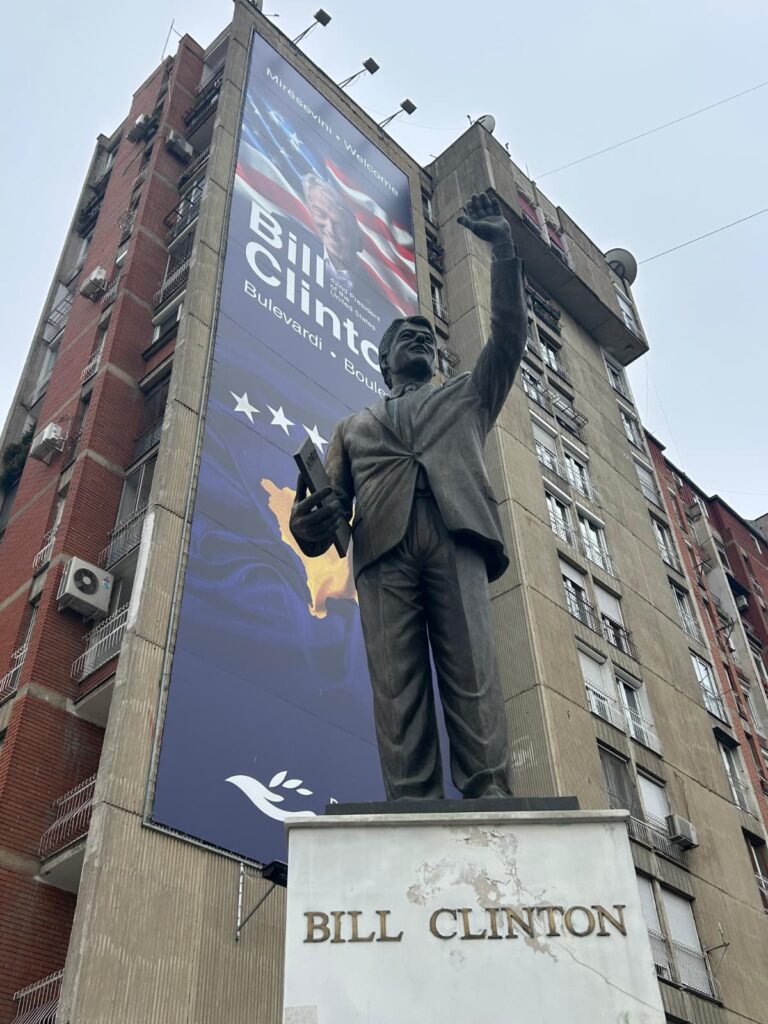
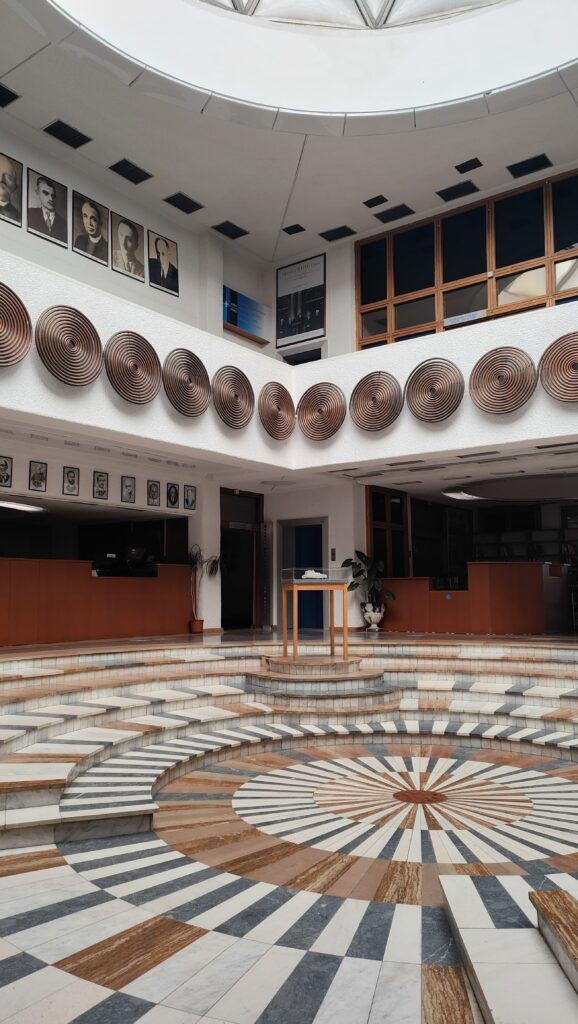
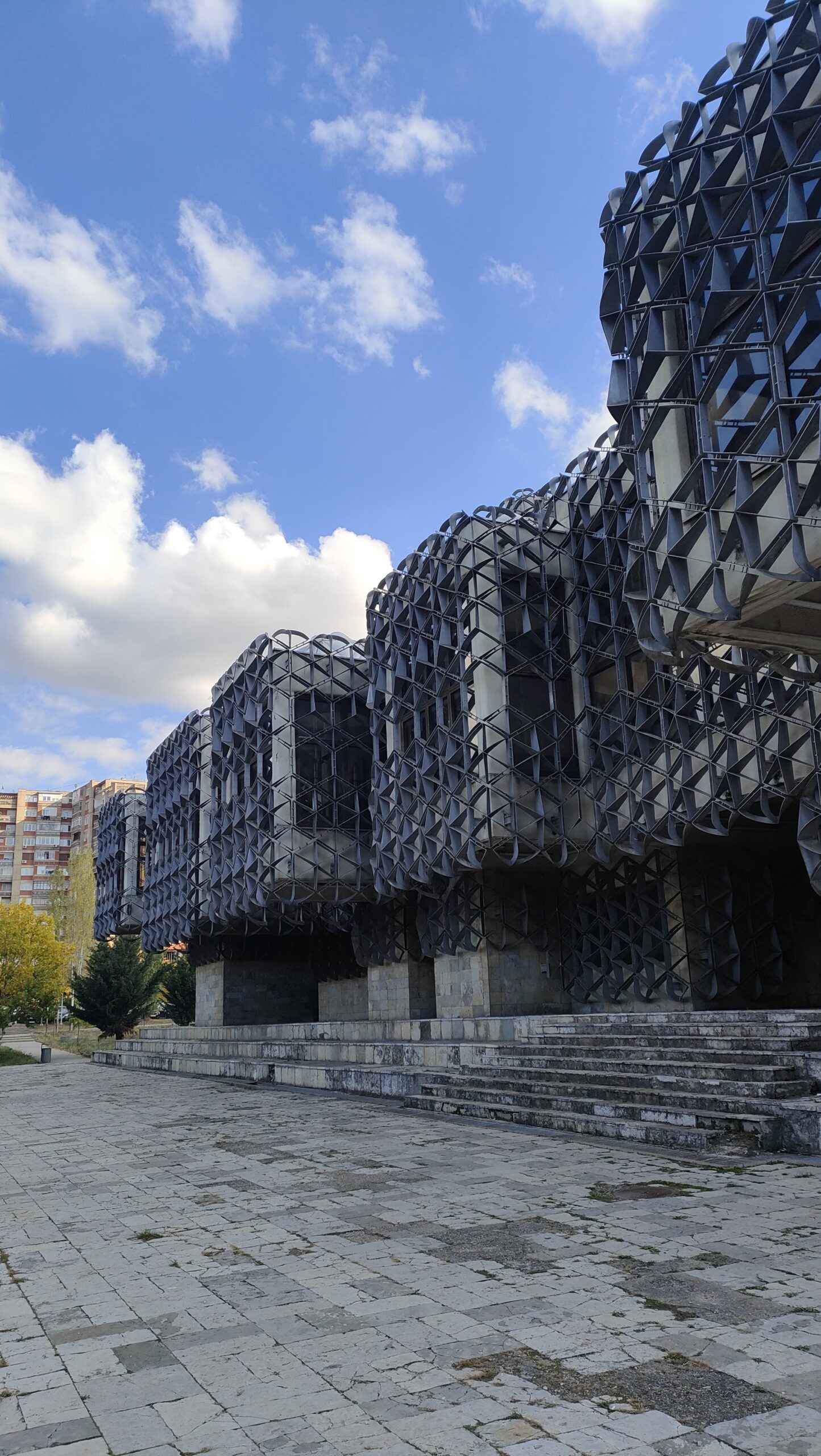
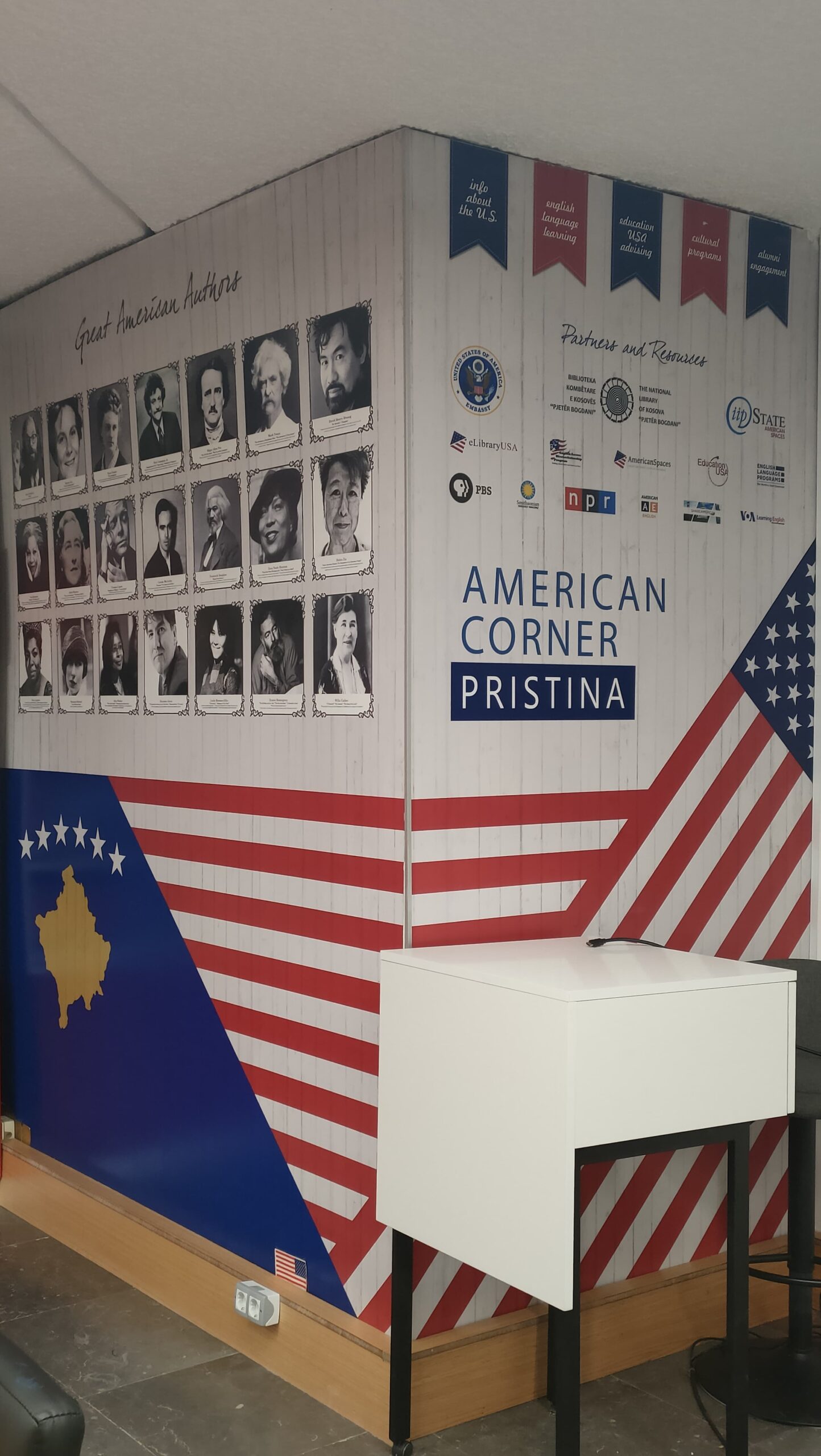
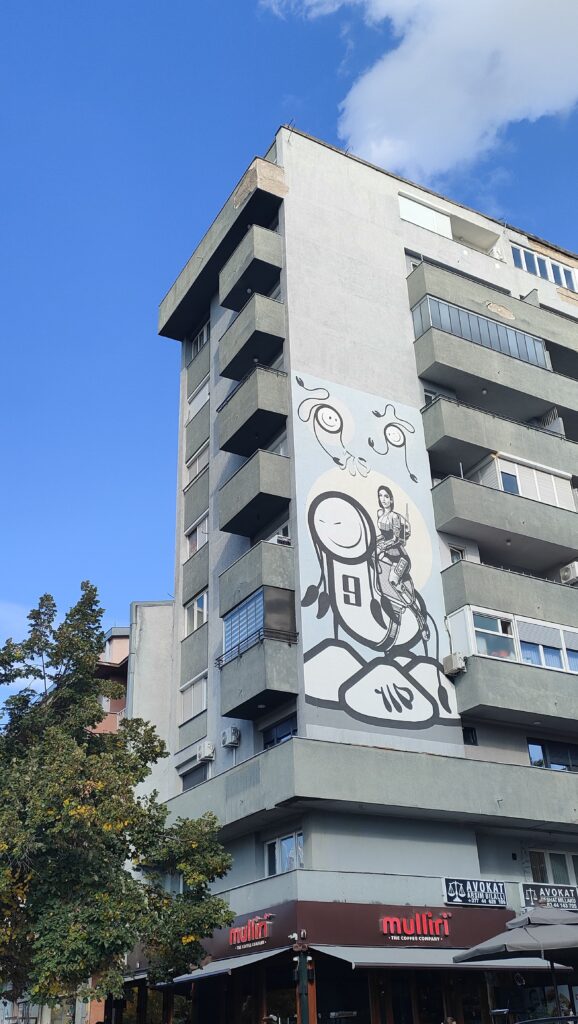
This sovereignty and hunger for identity are championed in the streets of the capital, in Dua Lipa’s murals, in the statue of the hero who bombed Belgrade, Bill Clinton, in the history of the local beer that flows freely, Peja, 100% made in Kosovo. For fans of ‘grocery tourism’, browsing the brands on the shelves in the Balkans reveals significant geopolitical influences. Let’s consider the timeless business of ‘duty-free goods’: confectionery snacks, first and foremost wafers. In the Balkans, Ukrainian entry-level brands from Roshen (owned by former Ukrainian Prime Minister Poroshenko) compete for shelf space with medium-range brands from Turkish giants Ulker and Eti, local Serbian producers Star and Jaffa, and the Croatian Kras, known for its non-crunchy, sugary wafers. All them are followed by various Italian brands with crispy wafers and emulsified cream, which are of excellent quality but too expensive, besides lacking brand recognition among “the boys who fought in the Yugoslav war,” who love local producers. They are exactly the consumers of these junk food, not the younger generations, “they instead only eat protein bars,” says T. Within Balkan grocery market, here we go again. Only in Kosovo, the need for sovereignty strikes: in Pristina, all Serbian brands are boycotted; I see no trace of Star or Jaffa. Turkish and Italian brands triumph, with a few Croatian ones. The same countries, especially the first two, are responsible for the country’s security, together with the Americans, who are widely celebrated in Pristina, starting with the American Corner in the Pjetër Bogdani National Library. There are 700 American Corners, centers for the dissemination of American soft power, around the world, including three in Kosovo. Serbian brands are showing up again on the shelves of Montenegro. Shortly after I settled in Podgorica, a Serbian friend wrote to me directly, “Finally, you’re in a real country. Before, you were just surrounded by drug dealers.” He added, “All the Yugoslav war criminal generals fled to the mountains of Montenegro and ended up in Kosovo, where no one bothers them. That’s why Kosovar license plates are still under special surveillance.” In January 2024, the brief but intense “license plate war” came to an end. The Kosovars, tired of applying identification stickers on the plates at border controls, claimed the right to freedom of movement and the official recognition of the RKS license plate in the rest of the Balkans.
However, driving a Kosovar car is still a distinctive feature. It is one of those details for which I was arbitrarily detained at the border with a “friendly” country, Albania, despite the reassurances of my Embassy.
“Get out of the car and follow this guy,” the border guard dictates me, handing my passport to a man who is heading towards the police station. I left Pristina at around 3:30 p.m., intending to drive to Podgorica via Shkodër while it was still light. I will only leave that border station at dark dinner time.
“No English, shut up and sit down,” I am told when I protest against a fake fine written in Albanian. I ask for information about where I got the fine for breaking the speed limits, in no way indicated anywhere.
“30,000 lek cash, now.”
“300 euros?”
“No, maybe even €450, or even €1,000.”
A creative escalation. I wonder, “Do they really expect me to pay in cash?” Later, the self-proclaimed “chief of border control” arrives. He’s supposed to speak English. He mumbles something, saying that actually now the rental car company is the one supposed to pay the pending fine. “Oh, right, a change like that, d’emblée?”
Well, it’s unlikely I am the one in charge of paying a fine issued in Albania, since I still have to enter the country. Wanting to use my phone, they call the emergency number of my rental company. They speak to each other in Albanian. Who knows what they’re saying, but I’m already thinking of skipping the Albanian border, turning back and crossing the border between Kosovo and Montenegro via Rozaje, through the snow-covered mountains of Montenegro. Even if it means driving an extra two and a half hours. Or I could call the Embassy or who knows who. I think of a thousand solutions to get rid of these thugs, provided they give me back my passport.
“Would you anticipate the €1,000 and then we’ll refund you?” asks Miss Sofia from the rental car company.
Sure, why not.. I don’t understand if not only the fine is fake, but if these gentlemen from the police and the rental company are also in conspiracy.
I reject to anticipate the money. “Okay, so what do we do?” I’m cold, it’s getting dark.
“If you wait for us, we can send a replacement car. No fine will be associated with that license plate.”
“Okay, let’s do it.”
The border chief, a shady character, escorts me to the parking lot where I will have to wait for the replacement car. I will have to wait an hour and a half. We’ll see.
It’s not over yet. After twenty minutes, he comes back to me. “You can go.”
What do you mean? I call Miss Sofia and ask her, “Is this guy trying to fool me? What happens if I drive all the way through Albania and then they block me again at the border with Montenegro?”
“Yes, you are right. Please stay and wait for us. It’s better you don’t proceed.”
I ask if there really is a fine pending on the car they have to replace, or if it’s just an ambush. She says she has some doubts. I think her boss might have a better idea…
When in doubt, she says to wait. Once the new car arrives, they will let me go without any excuses.
At 8 p.m., a guy from the rental car company arrives, gives me the replacement Skoda, and even tries to charge me for gas. I reply that it seems the least he can do is leave without saying a word.
I’m free, I can go. I’ll reach the hotel in Podgorica late at midnight, after stopping for a barbecue in a shack on Lake Shkodër.
“What happened to you is normal,” someone will tell me the next day. You had an RKS car. “By the way, what are you doing with an RKS car?”
I don’t know anymore. Today I will return to Pristina via the mountain road in Montenegro. It is 3 degrees Celsius. Between the Montenegrin and Kosovar checkpoints, there are about 4 km of unlit road through the woods, where only a Turkish aid truck appears. I ask, “What’s this?”
“Turkish mafia, devoška, they are everywhere. Why are you going to Pristina?”
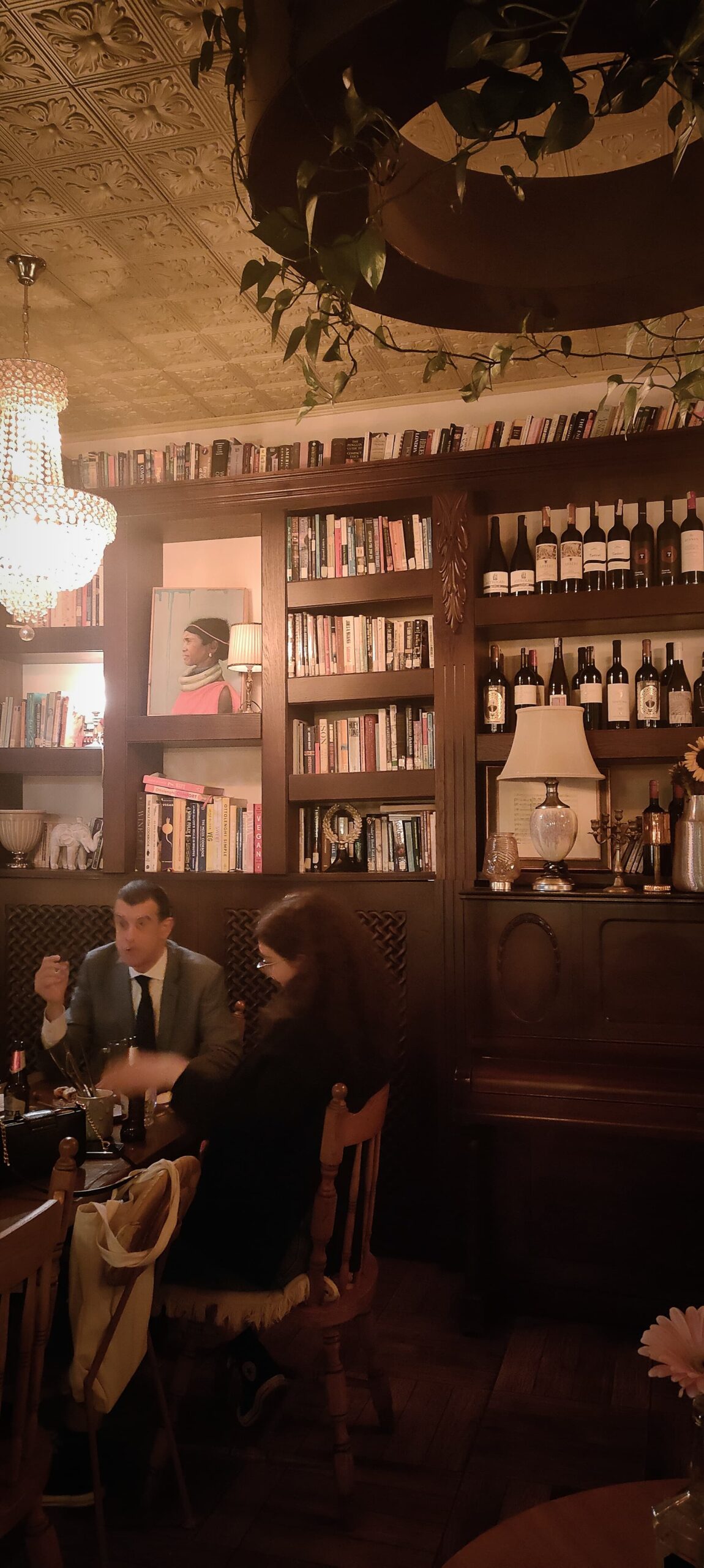
The same question that two New Yorkers ask me at the Sonder in Pristina that same evening at dinner, a chic place where you can sip an excellent ice-cold Peja. I bounce the question back to them. “We’re on a trip to the Balkans, between Macedonia, Kosovo, and Albania.” They say it with that naive and dreamy air of Americans outside their continent. They are driving an RKS car and tomorrow they are going to Tirana. Maybe they will be next. Who knows how they will react to “No English, shut up and sit down.” Maybe they will pay the €1,000 fine, or maybe they will be luckier than me.
Or perhaps, like me, they deserve to taste the reality of places that we believe we can always resolve from our Atlantic offices, unaware of the value of a license plate, of the misunderstandings that can arise from a desperate, obsessive, and sometimes violent need for sovereignty.